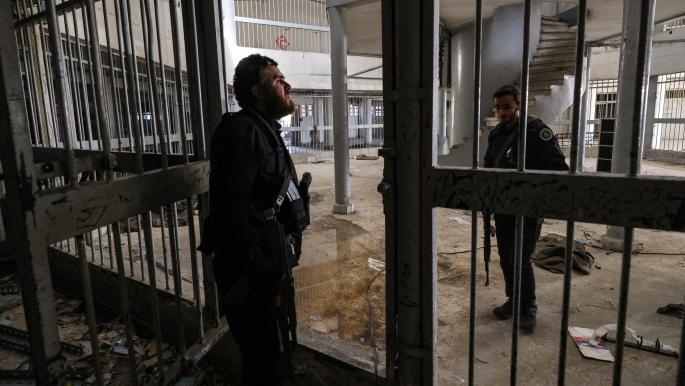
The release of Mohannad Ghandoor from Saidnaya Prison marks a new beginning filled with challenges. After four years of detention, Ghandoor confronts a life that is entirely different from what he once knew. His exit from prison was not merely a moment of survival; it represented a new test requiring adaptation to complex and new circumstances.
Saidnaya Prison is one of the most notorious prisons in Syria, known for its harsh conditions and the violations faced by detainees. However, Ghandoor's experience is not unique; it reflects the reality of many survivors who struggle to reintegrate into society after long periods of detention.
Details of the Event
Upon his release, Ghandoor found himself in a completely different world. The features of daily life had changed, and it became essential for him to adapt to the social and economic changes that occurred during his absence. His situation reflects significant challenges, as many survivors lack the necessary psychological and social support to help them rebuild their lives.
Concerns are growing that many of these survivors may face difficulties in securing job opportunities or even in restoring family relationships that were damaged due to detention. Additionally, the psychological challenges faced by these individuals can significantly impact their ability to reintegrate into society.
Background & Context
Saidnaya Prison was established in 1987 and is considered a symbol of the violations suffered by detainees in Syria. Numerous cases of torture and cruel treatment have been documented within its walls. Over the years, this prison has become a place symbolizing political repression and arbitrary arrests witnessed in the country.
With the outbreak of the Syrian conflict in 2011, the number of detainees in Saidnaya increased significantly, with thousands of opponents and activists being arrested. These detentions have profoundly affected Syrian society, as many have lost family members and loved ones.
Impact & Consequences
The experiences of survivors from Saidnaya Prison serve as evidence of the challenges faced by communities suffering from conflicts. Reintegration of these individuals into society requires significant efforts from the government and civil society. There must be psychological and social support programs to help them overcome their traumatic experiences.
Moreover, the presence of these survivors in society can contribute to raising awareness about the violations occurring in prisons, which may lead to greater pressure on authorities to improve detention conditions and the treatment of prisoners.
Regional Significance
Ghandoor's experience and that of his peers is not just an individual story; it reflects the reality of many Arab countries suffering from human rights violations. The challenges faced by survivors of political detention in Syria are echoed in other countries, highlighting the need for support for human rights and the promotion of social justice in the region.
Ultimately, we must be aware of the challenges faced by survivors of torture prisons and work to provide the necessary support for them. Their stories represent a call for change and action towards a better future for all.