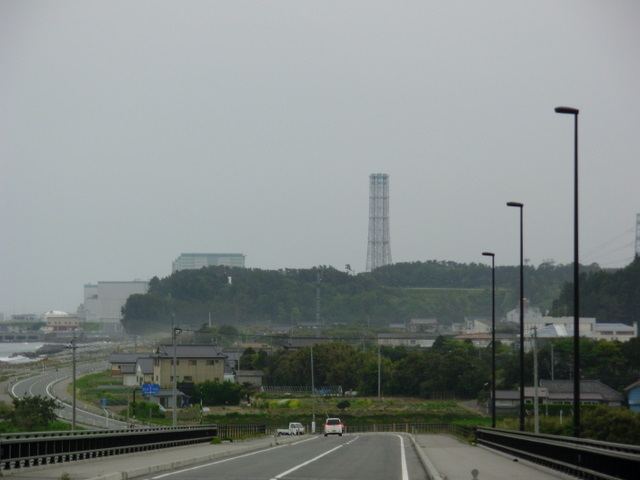
Tokyo Electric Power Company (TEPCO) announced the suspension of the cooling system at the Fukushima Daini nuclear plant, which remains inactive, following the discovery of a pump failure on Sunday. The incident occurred around 14:45 Japan time, triggering an alarm in the spent fuel pool of reactor number 1.
After smoke was detected on site, workers decided to shut down the pump, leading to the cooling system's halt. Nevertheless, TEPCO confirmed that radiation levels around the plant had not changed, and no injuries have been reported so far. The company is currently investigating the cause of the failure and is working to repair the pump as quickly as possible to restore the cooling system.
Details of the Incident
According to reports from Japan's NHK, the water temperature in the pool was 26.5 degrees Celsius when the cooling system was stopped, indicating that there are about 8 days before the temperature exceeds the permitted maximum of 65 degrees Celsius. The Fukushima Daini plant has four reactors and is located 12 kilometers south of the Fukushima Daiichi plant, which suffered severe damage due to the devastating earthquake and tsunami in March 2011.
This incident comes at a sensitive time as Japan continues to deal with the aftermath of the nuclear disaster that occurred over a decade ago. TEPCO had halted operations at both plants following the incident, increasing public concern about the safety of nuclear energy in the country.
Background & Context
The Fukushima Daini nuclear plant was part of Japan's nuclear energy plan, which underwent a significant shift after the Fukushima Daiichi nuclear disaster. The 2011 incident led to a comprehensive reassessment of nuclear energy policies in the country, prompting the government to shut down several reactors and reconsider alternative energy strategies.
After the disaster, new safety standards were imposed on all nuclear facilities in Japan, resulting in the prolonged shutdown of many plants. However, the government is still seeking to restart some reactors to meet the increasing energy demands.
Impact & Consequences
This incident may affect public confidence in nuclear energy in Japan, as many citizens remain concerned about the safety of nuclear facilities. Any new incident could lead to renewed calls for the permanent shutdown of nuclear plants, which could impact the country's energy policy.
Additionally, this incident may affect financial markets, as any deterioration in the situation could lead to fluctuations in energy prices. The potential environmental impacts may also raise concerns among environmental organizations and the international community.
Regional Significance
As many Arab countries seek to diversify their energy sources, nuclear incidents like this raise questions about the use of nuclear energy in the region. Some Arab nations, such as the UAE, have begun developing nuclear energy projects, making it essential to learn from global experiences.
Japan's experience may serve as an important lesson for Arab countries, as there must be clear strategies to ensure the safety of nuclear facilities and avoid potential risks.
The incident at the Fukushima Daini plant reflects the ongoing challenges facing nuclear energy worldwide, and countries must take lessons from these experiences to ensure the safety and sustainability of energy.