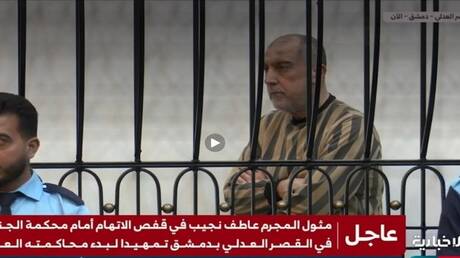
In a controversial move, the judge of the Fourth Criminal Court in Damascus has issued a ruling to suspend live media broadcasts from inside the courtroom during the trial of Aatif Najib. This decision comes as part of efforts to protect witnesses and ensure the confidentiality of legal proceedings, raising questions about press freedom and the public's right to know about significant cases.
Aatif Najib, considered a prominent figure in ongoing events, faces multiple criminal charges. This ruling has sparked mixed reactions among supporters and opponents, with some viewing it as necessary for witness protection, while others see it as a restriction on press freedom.
Details of the Event
The decision was made during a session scheduled for October 15, 2023, where the court was expected to hear important testimonies from eyewitnesses. The judge indicated that live broadcasting could negatively impact witnesses, potentially leading them to retract their testimonies or provide inaccurate information.
It is noteworthy that this is not the first time live broadcasts have been halted in similar cases, as similar measures have been taken in previous trials to ensure the safety of witnesses. However, this ruling may spark debate about its impact on transparency within the judicial system.
Background & Context
Historically, Syria has witnessed numerous trials surrounded by controversy, particularly amid tense political conditions. Aatif Najib is one of the names associated with political events in the country, making his trial a focal point for many. In recent years, there have been increasing calls to ensure human rights and freedom of expression, which contrasts with this decision.
The case also relates to broader issues such as press freedom and the public's right to access information. In times of political crises, transparency is often sacrificed for security, raising questions about the balance between these two aspects.
Impact & Consequences
This decision could have far-reaching effects on how the media covers legal issues in Syria. If this trend continues, it may lead to a decline in public trust in the judicial system and increase doubts about its integrity. Furthermore, halting live broadcasts could contribute to the spread of rumors and misinformation, as the public will have less ability to follow case details directly.
Moreover, this ruling may affect how the media handles sensitive issues in the future. If live broadcasting restrictions persist, media outlets may need to seek alternative ways to provide information to the public, potentially impacting the quality and objectivity of coverage.
Regional Significance
Press freedom and human rights are core issues of concern for many Arab countries. Decisions like halting live broadcasts could have negative repercussions on efforts to promote democracy and freedom of expression in the region. Amid increasing political crises, it is essential to maintain transparency in legal proceedings to safeguard individual rights.
Ultimately, the question remains on how to balance witness protection with the public's right to know. This issue is not merely a legal matter but part of a broader discussion about human rights and press freedom in the Arab world.