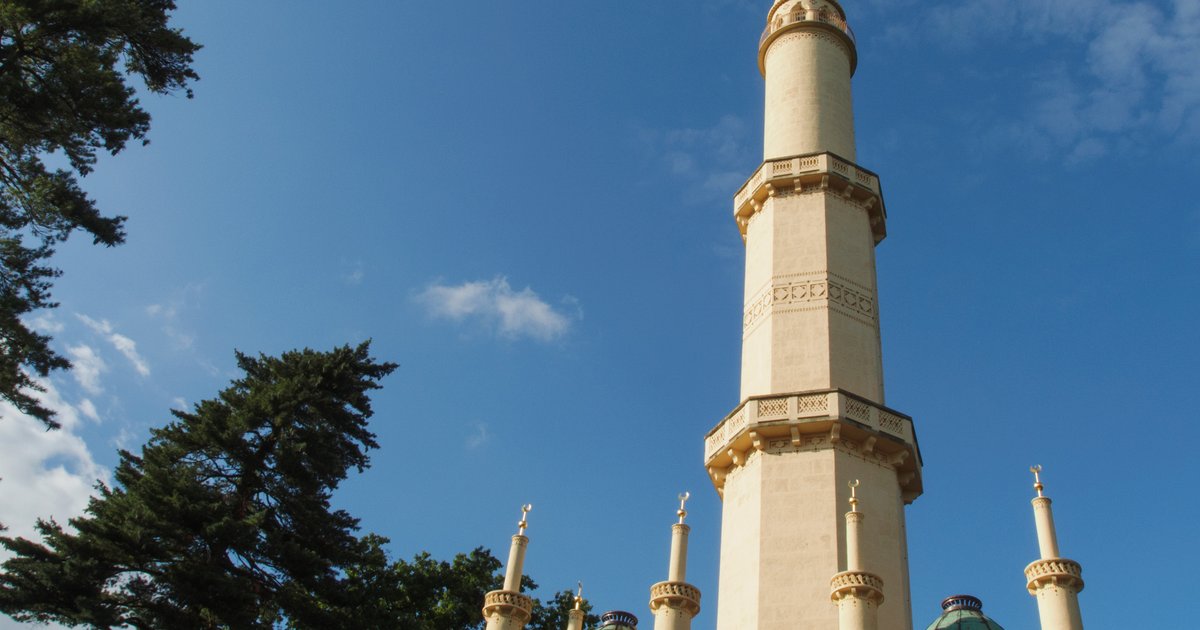
The Director of Awqaf in Assiut announced that the ministry has decided to suspend the lighting of minarets and domes in mosques as part of an energy conservation plan aimed at reducing consumption amid the current economic conditions. This move comes at a time when Egypt is grappling with an escalating energy crisis, necessitating effective measures to preserve available resources.
Lighting minarets and domes is considered part of Islamic traditions, adding a spiritual ambiance to mosques and aiding in directing worshippers. However, the current economic challenges require a reevaluation of some traditional practices, especially in light of rising energy prices.
Details of the Announcement
In his statements, the Director of Awqaf confirmed that the decision applies to all mosques in Assiut Governorate and will be implemented immediately. He also noted that the ministry will work to educate imams and worshippers about the importance of energy conservation and how they can contribute to these efforts. This decision is part of a broader government plan aimed at addressing the energy crisis by reducing consumption across all sectors.
The energy conservation plan also includes other measures such as reducing lighting in public spaces and encouraging the use of renewable energy sources. Officials hope that these actions will help alleviate pressure on the electrical grid and improve the overall energy situation in the country.
Context and Background
Egypt faces significant challenges in the energy sector, having witnessed a notable increase in electricity demand in recent years, exacerbating the energy crisis. Difficult economic conditions, including rising fuel prices, have made it imperative to take urgent steps to address this crisis.
In previous years, the Egyptian government has implemented several projects aimed at improving energy efficiency, including investments in renewable energy such as solar and wind power. However, there remains an urgent need to reduce consumption in various sectors, including the religious sector.
Consequences and Impact
The decision to suspend the lighting of minarets and domes may have multiple impacts on the community. On one hand, it could lead to reduced electricity consumption, thereby helping to ease pressure on the grid. On the other hand, some worshippers may feel concerned about losing the spiritual atmosphere that lighting provides in mosques.
This decision may also spark discussions on how to balance the preservation of religious traditions with modern-day requirements. It may require the community to think of innovative solutions that ensure sustainability without compromising spirituality.
Impact on the Arab Region
The energy crisis is a comprehensive issue affecting many Arab countries, with several of these nations suffering from a shortage of energy resources. Egypt's experience in energy conservation could serve as a model for other countries facing similar challenges.
In light of climate change and economic pressures, it is crucial for Arab countries to adopt effective strategies for managing their energy resources. These efforts can contribute to sustainable development and enhance economic stability in the region.
In conclusion, the decision to suspend the lighting of minarets and domes in Assiut represents a bold step towards energy conservation and reflects the challenges Egypt faces in this area. It is essential for the entire community to collaborate to achieve sustainability goals and preserve resources.