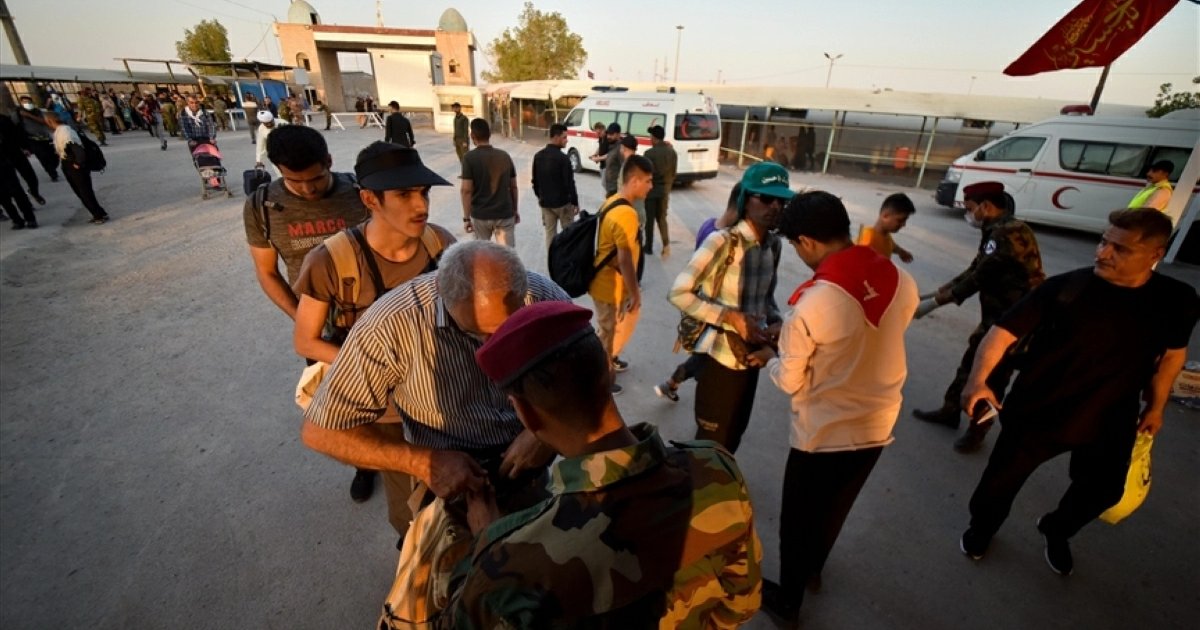
Iraq announced on Saturday the suspension of trade and passenger movement at the Shalamcheh border crossing with Iran, following airstrikes that targeted the Iranian side and resulted in the death of an Iraqi citizen and injuries to five others. Major General Omar Al-Waeli, head of the Border Ports Authority, stated that the injured were transported to a hospital in Iran for treatment.
The decision came after the attacks that targeted the commercial crossing at Shalamcheh, where Al-Waeli confirmed that alternative routes for the movement of goods are available, including the Safwan border crossing, as well as other land outlets in various provinces that remain operational.
Details of the Incident
The security situation in the region remains tense, as the Iraqi-Iranian border has witnessed an escalation in attacks, affecting trade and movement between the two countries. The airstrikes that targeted the Iranian side of the crossing caused panic among travelers and traders, prompting Iraqi authorities to make a swift decision to suspend movement.
The crossing is considered one of the vital points for trade between Iraq and Iran, with many goods and commodities passing through it. With the suspension of movement, trade is expected to be significantly affected, potentially leading to shortages of some essential goods in Iraqi markets.
Background & Context
Historically, the Iraqi-Iranian border has experienced numerous tensions, particularly following the political and security events that have unfolded in the region in recent years. Relations between Iraq and Iran have fluctuated, with overlapping political and security interests complicating the situation at the border.
In recent years, the Shalamcheh crossing has been one of the important outlets facilitating trade and travel between Iraq and Iran, but the military and security escalation in the region could significantly impact these relations. Additionally, the security situation in Iraq remains fragile, heightening concerns about the safety of citizens and traders.
Impact & Consequences
The suspension of trade movement at the Shalamcheh crossing could lead to significant economic repercussions for Iraq, as many traders rely on this crossing for the supply of goods. The impact may also extend to local markets, potentially resulting in price increases and shortages of certain commodities.
Furthermore, this escalation may affect relations between Iraq and Iran, potentially leading to further political tensions. It is crucial for the Iraqi government to take urgent steps to ensure the safety of citizens and protect their economic interests.
Regional Significance
The situation at the Iraqi-Iranian border is part of the larger picture of security and stability in the Arab region. Military escalation in this area could affect neighboring countries, increasing instability.
Moreover, events in Iraq may influence relations between Arab countries and Iran, as political and economic interests intertwine. It is important for Arab nations to stay informed about developments in Iraq to ensure regional stability.
In conclusion, the suspension of trade movement at the Shalamcheh crossing represents a serious development in the security situation in the region, necessitating urgent actions to ensure the safety of citizens and protect economic interests.