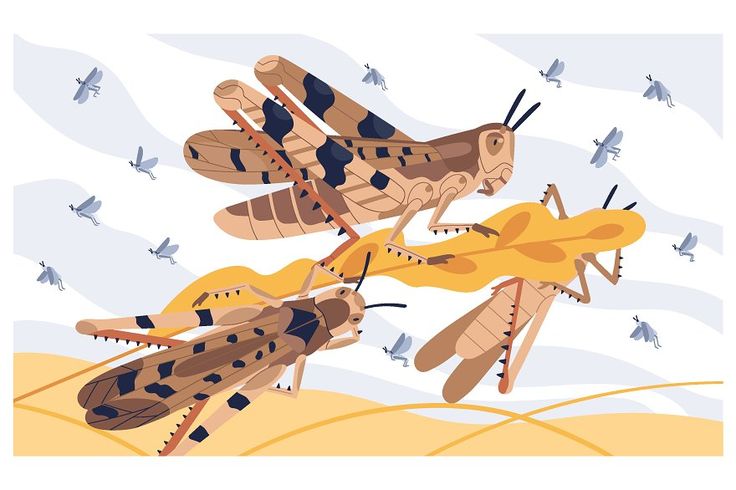
A swarm of locusts has invaded the farms of Al-Thuqeef Canal located south of Taif, raising concerns among farmers about the impact on agricultural crops. This phenomenon comes at a critical time as many rely on these crops as a primary source of livelihood.
The locust invasion is considered one of the significant challenges facing agriculture in the region, as it can lead to the destruction of crops in a short period. Farmers have expressed their fears that these swarms will affect their agricultural production, which could negatively impact their local economy.
Details of the Event
Reports indicate that locusts began appearing in large numbers in the area over the past few days, with local authorities observing large swarms heading towards the farms. The Ministry of Environment, Water, and Agriculture has directed teams to monitor the situation and take necessary measures to combat this phenomenon.
This incident occurs at a time when the agricultural sector is facing multiple challenges, including climate change and drought, complicating the situation for farmers who rely on agriculture as their primary source of income.
Background & Context
Historically, locust invasions have been part of the challenges faced by agriculture in the Kingdom of Saudi Arabia. The country has witnessed several instances of locust invasions in recent years, leading to the destruction of vast areas of agricultural crops.
Al-Thuqeef Canal is considered one of the important agricultural areas in Taif, where a variety of crops such as vegetables and fruits are cultivated. With the increasing number of locusts, farmers face the risk of losing their crops, which could affect food security in the region.
Impact & Consequences
If the locust swarms continue to invade the farms, it could lead to a significant decrease in agricultural production, negatively affecting prices and increasing the suffering of farmers. Additionally, crop loss may lead to increased reliance on food imports, impacting the local economy.
Combating locusts is one of the major challenges faced by the Ministry of Environment, Water, and Agriculture, requiring effective strategies to address this phenomenon. Efforts have been intensified to monitor the situation and provide support to affected farmers.
Regional Significance
The locust phenomenon is a common problem in many Arab countries, affecting food security and agricultural economies. With increasing climate challenges, it becomes essential to enhance cooperation among Arab countries to address this phenomenon.
Combating locusts requires comprehensive strategies that include awareness and training for farmers, as well as developing effective techniques for locust control. Additionally, cooperation among Arab countries can contribute to the exchange of experiences and resources to face these challenges.
In conclusion, the locust invasion represents a significant challenge for farmers in Al-Thuqeef Canal, necessitating a swift and effective response from relevant authorities to protect crops and ensure the sustainability of agriculture in the region.