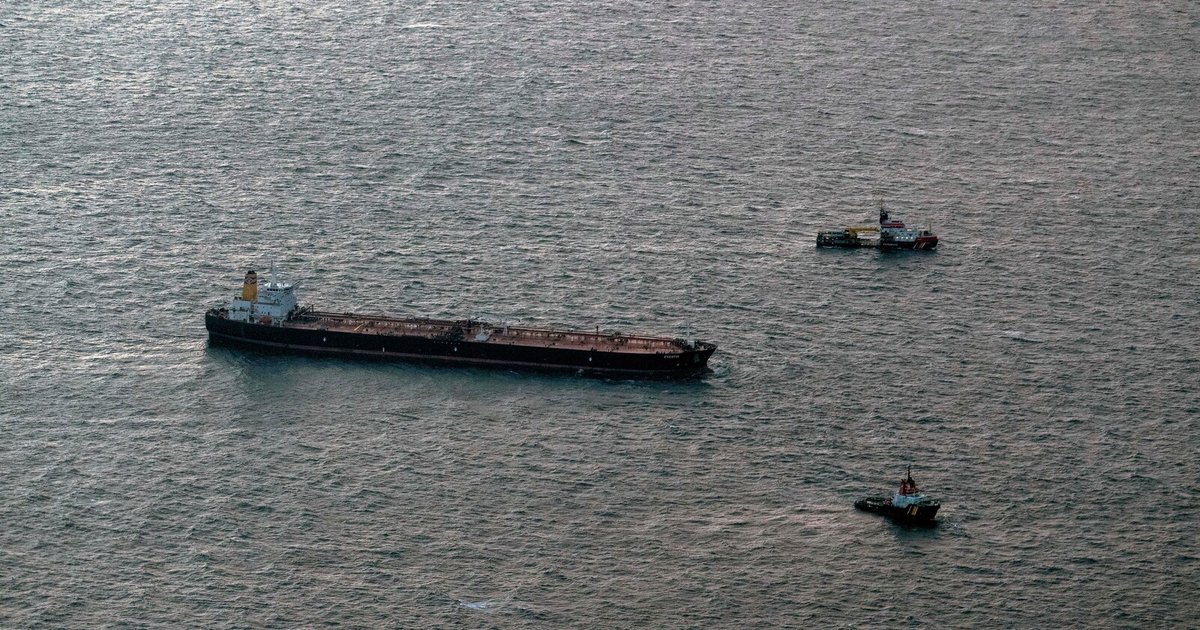
Swedish authorities have detained a sanctioned oil tanker suspected of causing an oil spill in the Baltic Sea after departing from a Russian port. This measure is part of Sweden's efforts to protect the marine environment, as a significant oil spill has been detected in the area, raising widespread concerns about its impact on marine life.
The tanker, whose name has not been disclosed, had left the Russian port of Novorossiysk, where it is believed to have been carrying a shipment of oil. It was intercepted by Swedish coast guards after reports of an oil spill threatening the marine environment in the Baltic Sea, one of the most ecologically sensitive areas in the world.
Details of the Incident
The oil spill in the Baltic Sea is considered one of the serious environmental incidents, affecting biodiversity and threatening marine life. Swedish authorities have confirmed that they are assessing the damage caused by the spill and coordinating efforts with neighboring countries to ensure the situation does not worsen. Specialized teams have also been dispatched to the area to determine the extent of the spill and take necessary measures to mitigate its impact.
The detained tanker had been subject to international sanctions due to its ties to Russia, complicating the situation further. These sanctions are part of international efforts to pressure Russia over its actions in Ukraine, making this incident an additional point of tension in international relations.
Background & Context
Historically, the Baltic Sea has witnessed numerous oil spill incidents, but this occurrence comes at a sensitive time as fears grow regarding the impacts of climate change and human activity on the environment. The region is home to many rare marine species, and any oil spill could have dire consequences for the ecosystem.
Moreover, relations among the Baltic Sea bordering countries have been significantly affected in recent years due to political tensions. The recent incident could escalate tensions between Sweden and Russia, as Sweden is considered a leading country in environmental protection and may take strict actions against any violations.
Impact & Consequences
The oil spill could lead to significant environmental and economic repercussions. Environmentally, it could destroy marine habitats and impact fishing and tourism in the area. There are also concerns that this incident could lead to further sanctions against Russia, potentially affecting the Russian economy under current conditions.
On an international level, this incident may increase pressure on European countries to adopt stricter policies toward Russia. It could also enhance cooperation among European nations in environmental protection, especially in light of increasing environmental challenges.
Regional Significance
Although the incident occurred in the Baltic Sea, its effects could reach the Arab region. Changes in oil prices due to disruptions in global markets could impact the economies of Arab countries reliant on oil. Furthermore, environmental issues have become increasingly important in the region, as Arab nations seek to enhance their environmental sustainability.
In conclusion, this incident serves as a reminder of the importance of protecting the marine environment and the necessity of international cooperation to address environmental challenges. It also illustrates how environmental events can influence international relations and global economies.