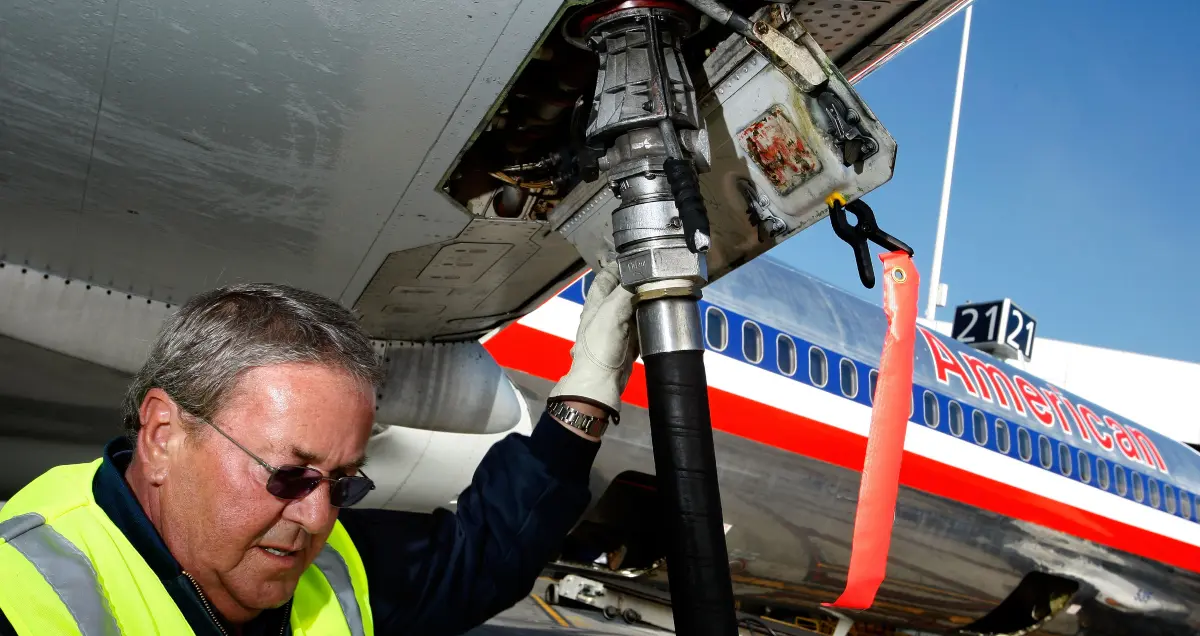
Sweden has issued an early warning regarding a potential shortage of aircraft fuel, raising concerns in the aviation sector. This alert comes at a critical time as the world faces multiple challenges in energy supplies. Officials have indicated that this shortage could impact air traffic in the country, raising questions about how it will affect air travel and the local economy.
In detail, the Swedish Civil Aviation Authority has warned that the aircraft fuel shortage may occur due to a combination of factors, including increased demand for air travel following the COVID-19 pandemic and logistical challenges faced by supply companies. The authority has confirmed that the situation requires urgent action to ensure the continuity of aviation services.
Details of the Event
Reports indicate that the aircraft fuel shortage could have widespread effects, potentially leading to flight delays and increased travel costs. Swedish airlines have expressed concern over this situation, as many rely on reliable fuel supplies to ensure smooth operations. Some experts have pointed out that this shortage could lead to higher ticket prices, impacting travelers.
The authority also added that there is an urgent need for cooperation between the government and the private sector to ensure fuel availability. Several solutions have been proposed, including increasing domestic fuel production and expanding partnerships with international suppliers.
Background & Context
Historically, Sweden and other European countries have faced challenges in energy supplies, especially during global crises. Previous crises have led to changes in government policies related to energy and transportation. In recent years, there have been increasing efforts to enhance sustainability and reduce reliance on fossil fuels, which may impact future fuel supply strategies.
The COVID-19 pandemic has also drastically changed the air travel landscape, with many countries experiencing a sharp decline in flight activity. As activity resumes, the demand for aircraft fuel has become more urgent, increasing pressure on available supplies.
Impact & Consequences
The anticipated aircraft fuel shortage is expected to have significant economic repercussions, directly affecting the tourism and travel sector. Tourism represents a large part of the Swedish economy, and any disruption in air traffic could lead to substantial financial losses. Additionally, rising travel costs may result in a decline in the number of tourists visiting Sweden.
Moreover, this shortage could have negative effects on local businesses that rely on air freight for transporting goods. Companies may need to seek alternatives, which could increase operational costs and affect final prices for consumers.
Regional Significance
In the Arab region, this warning may also have implications, as many countries depend on aircraft fuel supplies from European markets. Any shortage in Sweden could impact supply chains in the region, increasing challenges faced by Arab airlines.
Furthermore, rising fuel prices could affect travel costs to European countries, potentially limiting the movement of Arab tourists to those destinations. Under these circumstances, Arab countries must closely monitor the situation and take necessary measures to ensure the continuity of aviation services.
The early warning of an aircraft fuel shortage in Sweden highlights the ongoing challenges facing the aviation sector. The current situation requires a swift response from all stakeholders to ensure market stability and service continuity.