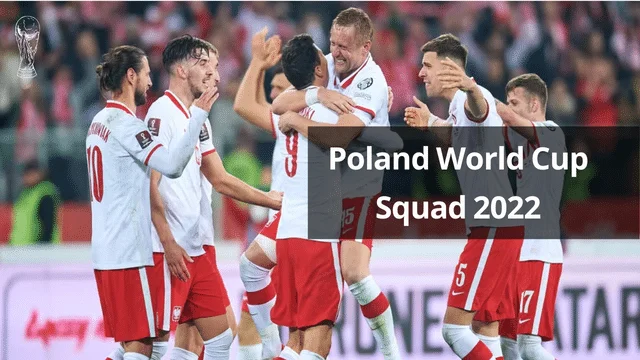
Sweden has qualified for the 2026 World Cup following an exciting 3-2 victory over Poland in a match held on Tuesday in Stockholm. Victor Gyökeres scored the winning goal in the 88th minute, ensuring Sweden's place in the upcoming tournament after missing out since 2018.
Anthony Elanga opened the scoring for Sweden in the first half, but Nicola Zalewski managed to equalize for Poland. However, Gustav Lagerbielke restored Sweden's lead before the end of the first half. Despite Poland's attempts to come back, Gyökeres sealed the match with his late goal.
Match Details and Highlights
The match began strongly for Sweden, with Elanga managing to score the first goal in the 20th minute. However, Poland quickly responded with an equalizer from Zalewski in the 30th minute. The Swedish team did not give up and Lagerbielke scored the second goal before the end of the first half, giving Sweden the advantage going into halftime.
In the second half, Poland came back to equalize again through Karol Świderski, which heightened the excitement of the match. Nevertheless, Gyökeres had other ideas, as he capitalized on a scramble in the penalty area and scored the winning goal in the dying moments, leading Sweden to qualification.
Background & Context
Historically, Sweden is considered one of the strong teams in European football, having achieved previous successes in international tournaments. Their current qualification for the World Cup reflects their return to the scene after a period of decline. Their last appearance in the global tournament was in 2018, where they exited in the quarter-finals.
On the other hand, Poland is striving to enhance its position in global football, as they have not been able to advance to the later stages in recent tournaments. This match was a significant opportunity for them, but Sweden proved to be the more prepared team.
Impact & Consequences
Sweden's qualification for the World Cup is an important step for Swedish football, as it enhances their standing on the international stage. This qualification may also open doors for young players to showcase themselves on the global level, promoting the development of the game in the country.
For Poland, exiting the qualifiers is a disappointment and may require a comprehensive reassessment of the team and its strategies moving forward. This could impact the morale of the players and the coaching staff in upcoming tournaments.
Regional Significance
Sweden's qualification for the World Cup reflects the high competitiveness in European football, which can serve as an inspiration for Arab teams striving to achieve similar accomplishments. Despite the challenges faced by Arab football, there is hope that some teams can qualify for major tournaments.
In conclusion, this event represents an opportunity to renew the hopes of Swedish fans, while the challenge remains for the Polish team. The competition in European and global tournaments will continue, keeping football at the heart of sporting events.