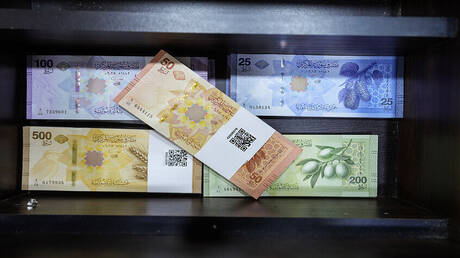
Syrian Finance Minister Mohammad Yasser Barnieh announced a budget surplus for the year 2025, amounting to approximately five billion Syrian pounds. This achievement is the first of its kind in over three decades, indicating a notable improvement in the country's financial status.
This news comes at a time when Syria is facing significant economic challenges due to the ongoing conflict and imposed sanctions. However, the financial surplus may indicate the government's efforts to enhance financial resource management and boost public revenues.
Details of the Achievement
During a press conference, Barnieh explained that the financial surplus was achieved thanks to increased tax revenues and improved performance in certain economic sectors. He also noted that the government is implementing financial policies aimed at enhancing economic stability and improving the living standards of citizens.
Despite the surplus, challenges remain. The economic crisis facing the country requires continuous efforts to achieve sustainable development. While this surplus is a positive step, it is insufficient to resolve all the economic issues Syria faces.
Background & Context
Since the onset of the conflict in 2011, Syria has experienced a sharp economic collapse, with the Syrian pound losing significant value and unemployment and poverty rates rising. Nevertheless, the Syrian government has taken several steps to improve the financial situation, including implementing tax reforms and increasing oversight on public spending.
Historically, Syria has heavily relied on government sectors, but in recent years, the government has begun encouraging the private sector to participate in the economy. This shift may have positive implications for public revenues and enhance the government's ability to achieve a sustainable financial surplus.
Impact & Consequences
Achieving a financial surplus could help improve confidence in the Syrian economy, potentially attracting both local and foreign investments. Additionally, this surplus could assist the government in implementing developmental projects and improving infrastructure, which citizens urgently need.
However, the government must be cautious in managing this surplus, as any mismanagement could exacerbate economic crises. It is crucial that the surplus is utilized in areas that benefit citizens and contribute to improving their living standards.
Regional Significance
Syria's achievement of a financial surplus may have positive effects on neighboring countries, as it could enhance regional stability. Amid the economic crises facing many Arab countries, this surplus could serve as a model for effective financial resource management.
Furthermore, the improvement in Syria's financial situation could contribute to rebuilding economic relations with other Arab nations, potentially opening new avenues for economic cooperation and trade.
In conclusion, the financial surplus achieved by Syria is a positive step towards improving the economic situation; however, further efforts are required to ensure its sustainability and achieve sustainable development.