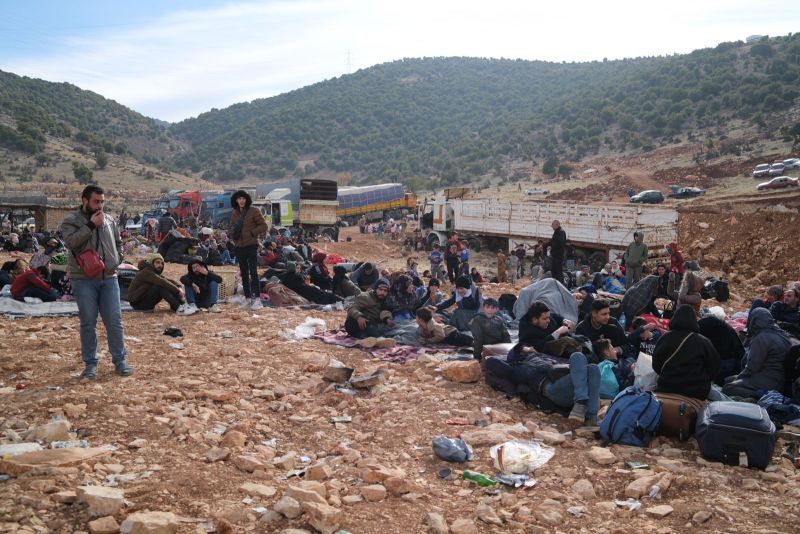
On Saturday, April 4, Syrian authorities announced a temporary closure of the Jdeidet Yabous border crossing, which is considered one of the main crossings with Lebanon, due to security concerns stemming from Israeli warnings about the possibility of attacks in the region. This decision comes at a time when the Syrian-Lebanese border is experiencing increasing tensions, raising concerns about the stability of the area.
The General Authority for Borders and Crossings in Syria stated that the crossing will be designated for civilian use only, emphasizing that there are no armed groups or militias in the area. They confirmed that the crossing will not be used for any activities beyond the civilian and legal framework, reflecting the Syrian authorities' commitment to maintaining security and stability in the region.
Details of the Event
This move follows the Israeli army's announcement of its intention to target roads leading to the Masnaa crossing, which is considered a key transit point on the Syrian-Lebanese border. The Israeli army justified this by stating that Hezbollah uses these roads for military purposes, escalating tensions in the region.
The Syrian-Lebanese border is a strategic area, characterized by military and political activities, making it susceptible to tensions between various parties. In recent years, this area has witnessed numerous security incidents that have impacted traffic and trade between the two countries.
Background & Context
Historically, Syrian-Lebanese relations have experienced significant fluctuations, with periods of cooperation and others of tension. Since the outbreak of the Syrian conflict in 2011, the border has been heavily affected, as many Syrian refugees have used the crossings to flee to Lebanon. Additionally, the presence of Hezbollah in Lebanon and its influence on events in Syria have complicated the situation.
In recent years, concerns have grown over the escalation of conflict between Israel and Hezbollah, leading to repeated warnings from the Israeli side regarding military activities in the area. This context makes the decision to close the crossing a strategic step to maintain security in the region.
Impact & Consequences
This step could lead to negative impacts on trade and tourism between Syria and Lebanon, as the Jdeidet Yabous crossing is a vital point for commercial exchange. The closure of the crossing may increase economic pressures on both sides, especially given the difficult economic conditions faced by both countries.
Moreover, the continued tensions at the border could lead to potential military escalation, threatening stability in the region. This situation requires the international community to take urgent steps to alleviate tensions and ensure the safety of civilians.
Regional Significance
Events at the Syrian-Lebanese border are part of the larger picture of regional conflict, where international and regional interests intersect. Tensions between Israel and Hezbollah could affect the stability of both Lebanon and Syria, negatively impacting regional security.
Under these circumstances, Arab countries must work to enhance security and political cooperation to avoid any potential escalation and ensure regional stability. Current events highlight the need for comprehensive dialogue among the concerned parties to reach peaceful solutions.