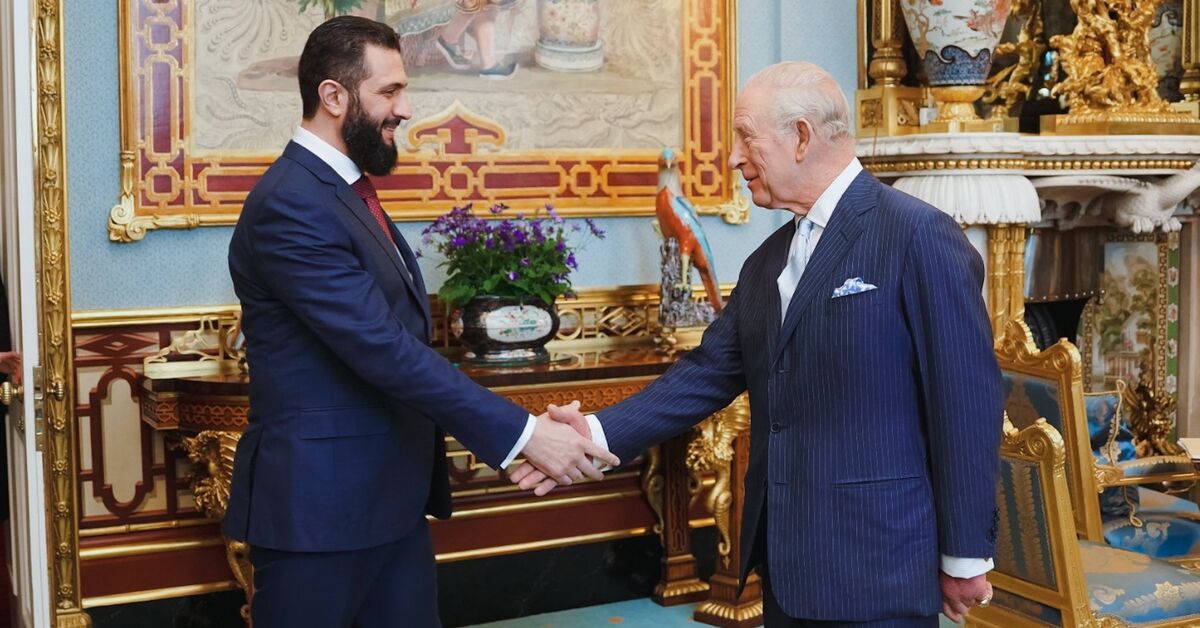
During his recent visit to the United Kingdom, Syrian President Bashar al-Assad confirmed that Syria will remain neutral in the ongoing conflict between Iran and the West, unless the country faces any direct targeting. These statements followed discussions with British leaders, where various regional and international issues were addressed.
In the context of the visit, Assad emphasized the importance of Syrian-British relations, stressing the need to enhance cooperation between the two countries in multiple areas, including counter-terrorism and alleviating the impacts of the Syrian conflict. The talks also covered the humanitarian situation in Syria, particularly in light of the increasing pressures resulting from the refugee crisis.
Details of the Event
Assad's visit to the United Kingdom comes at a time of escalating tensions in the region, especially with the intensification of the conflict in Iran and its potential effects on neighboring countries. Assad, who has been in power since 2000, is seeking to rebuild relations with Western countries after years of isolation.
During the meetings, various issues were discussed, including the security situation in the region, where Assad reiterated that Syria would not be a party to any regional conflict unless faced with direct threats. These statements reflect Assad's desire to maintain stability in his country under the current circumstances.
Background & Context
Historically, relations between Syria and the United Kingdom have been tense at times, particularly during the Syrian conflict that began in 2011. However, Assad's visit indicates the possibility of reopening channels of dialogue between the two nations. This move comes at a sensitive time, as many countries are reassessing their policies towards Syria after years of conflict.
Despite international pressures, Syria continues to face significant challenges, including humanitarian and economic crises. These challenges have led to an increase in the number of Syrian refugees in neighboring countries and Europe, necessitating greater international cooperation to address these issues.
Impact & Consequences
Assad's statements regarding neutrality in the Iranian conflict represent a strategic step aimed at strengthening Syria's position on the international stage. Maintaining its neutrality could help attract international support and alleviate the economic and political pressures facing the country.
Moreover, these statements may contribute to improving relations with Western nations, potentially leading to a reduction in the sanctions imposed on Syria. At the same time, Assad must be cautious of Iranian reactions, as Tehran is considered a key ally of Damascus in the Syrian conflict.
Regional Significance
The developments in Syrian-British relations have broader implications for the regional situation. With increasing pressures on Iran, Syria may find itself in a sensitive position that requires strategic decision-making. Additionally, improving relations with the West could open doors for further Arab and international cooperation in addressing shared challenges.
In conclusion, Assad's visit to the United Kingdom represents an important step in rebuilding relations with the West and underscores the importance of dialogue in resolving regional issues. It remains to be seen how these relations will evolve amid the changing circumstances in the region.