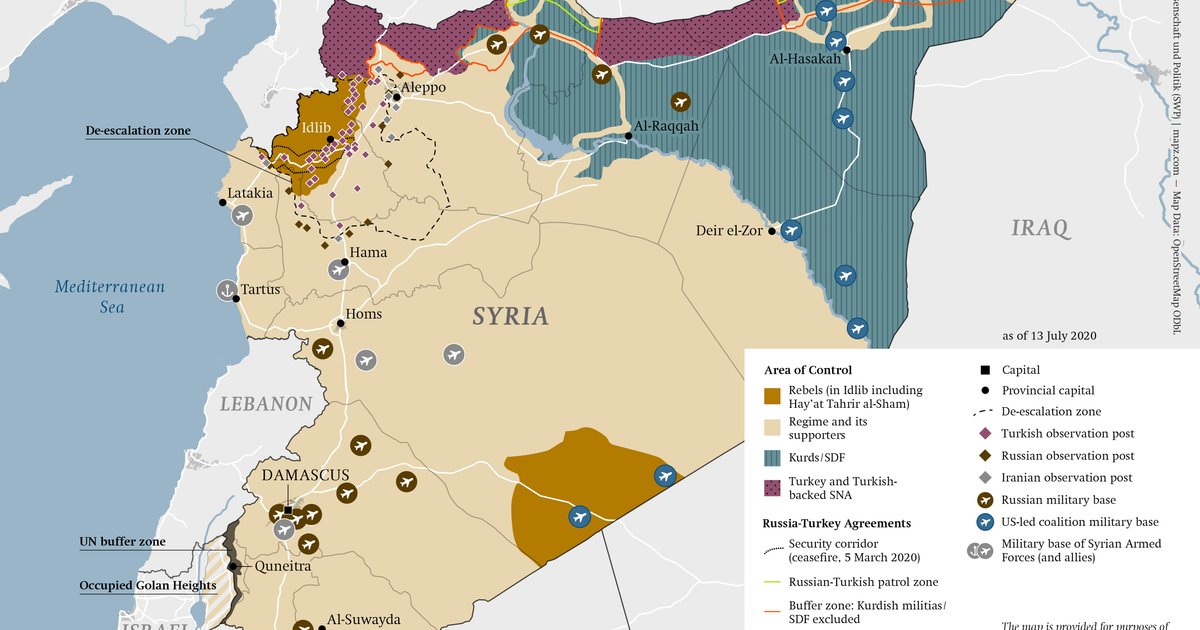
The balance of power in Syria is shifting, raising questions about the future shape of the state. Will it adopt the Pakistani or Turkish model, or will it forge its own unique path? These questions are particularly significant given the current conditions in the country, where internal and external factors intertwine to shape Syria's future.
In recent years, Syria has witnessed radical changes in the political and military landscape, significantly impacting social and economic balances. With increasing international and regional pressures, it has become essential to consider how to rebuild the Syrian state in a manner that aligns with the aspirations of its people.
Event Details
After more than a decade of conflict, attention is turning to how Syria can be rebuilt. There are multiple models from which Syria can draw inspiration, such as the Pakistani model, characterized by a diversity of political and social identities, or the Turkish model, which relies on state centralization and military strength. Each of these models carries both advantages and disadvantages that could influence Syria's future.
The Pakistani model, for instance, reflects a complex reality of ethnic and religious diversity, making it susceptible to internal tensions. Meanwhile, the Turkish model, despite its relative success in achieving stability, faces criticism regarding the suppression of political freedoms. Therefore, Syria needs to carefully study its options to choose the most suitable model.
Background & Context
Since the onset of the conflict in 2011, Syria has experienced a significant deterioration in humanitarian and political conditions. Armed conflict has fragmented the country into various spheres of influence, with multiple local and international powers controlling parts of Syrian territory. This complex situation makes it difficult to predict Syria's future and heightens the importance of seeking a political model that balances the interests of various parties.
Historically, Syria enjoyed a strong centralized political model, but the current conflict has revealed the flaws of this system. The need for political and economic reforms has become urgent, opening the door for new ideas on how to manage the state. In this context, regional and international powers could play a crucial role in guiding Syria toward a specific model.
Impact & Consequences
The choice of political model that Syria will adopt will have profound implications for the country's future. If the Pakistani model is chosen, it may lead to further internal divisions, while adopting the Turkish model could face challenges related to freedoms and human rights. Therefore, there must be an inclusive dialogue that involves all concerned parties to ensure stability.
Moreover, the model that Syria adopts will also affect its relations with neighboring countries. Choosing a centralized model may strengthen ties with some nations, while potentially causing tensions with others. Thus, diplomacy will be a critical factor at this stage.
Regional Significance
The future of Syria matters not only to Syrians but also impacts the entire Arab region. Stability in Syria means stability for many neighboring countries suffering from the repercussions of the Syrian conflict. Additionally, the model that Syria adopts could serve as a role model or a warning for other countries in the region.
In conclusion, the question remains open as to which model will be most suitable for Syria. The challenges are significant, but opportunities also exist. There must be a comprehensive national consensus that ensures the participation of all parties in shaping Syria's future.