In the context of the geopolitical transformations affecting global energy corridors, Syria has revealed an ambitious economic vision that intersects with the goals of Saudi Arabia's Vision 2030, aiming to end decades of dependence on the Strait of Hormuz. The initiative, known as (4+1), announced by the advisor to the Syrian Ministry of Economy and Trade, Osama Qadi, includes a roadmap to establish a modern high-speed rail network and revive historical oil pipelines, making Syrian and Saudi geography a global logistics platform connecting three continents.
This strategic initiative, which comes at a highly sensitive time, aims to secure the flow of approximately 7 million barrels of oil per day away from Iranian threats and ensure the stability of global food and energy markets. The proposed projects aim to break the cycle of geopolitical blackmail associated with over 20% of global energy supplies passing through the Strait of Hormuz by creating secure and stable land corridors that reduce transportation costs and enhance supply security.
Details of the Initiative
Qadi announced that the initiative includes a project to establish a high-speed train line connecting Saudi Arabia to Syria via Jordan, with speeds ranging from 200 to 300 kilometers/hour. This project is one of the most prominent initiatives within the framework, benefiting from the extensive Saudi railway network extending to the Al-Haditha crossing. This project is a tangible translation of the goals of Saudi Arabia's Vision 2030, in terms of diversifying the economy and enhancing the Kingdom's role as a global logistics hub.
The economic feasibility of this project is not theoretical, as over 70% of the infrastructure within Saudi Arabia is already in place up to the Al-Haditha crossing, which reduces costs and accelerates implementation. Qadi explained that every dollar invested in this project will generate a compounded return through transit fees, logistics services, and industrial zones, thereby enhancing the stability of oil and gas flows.
Background & Context
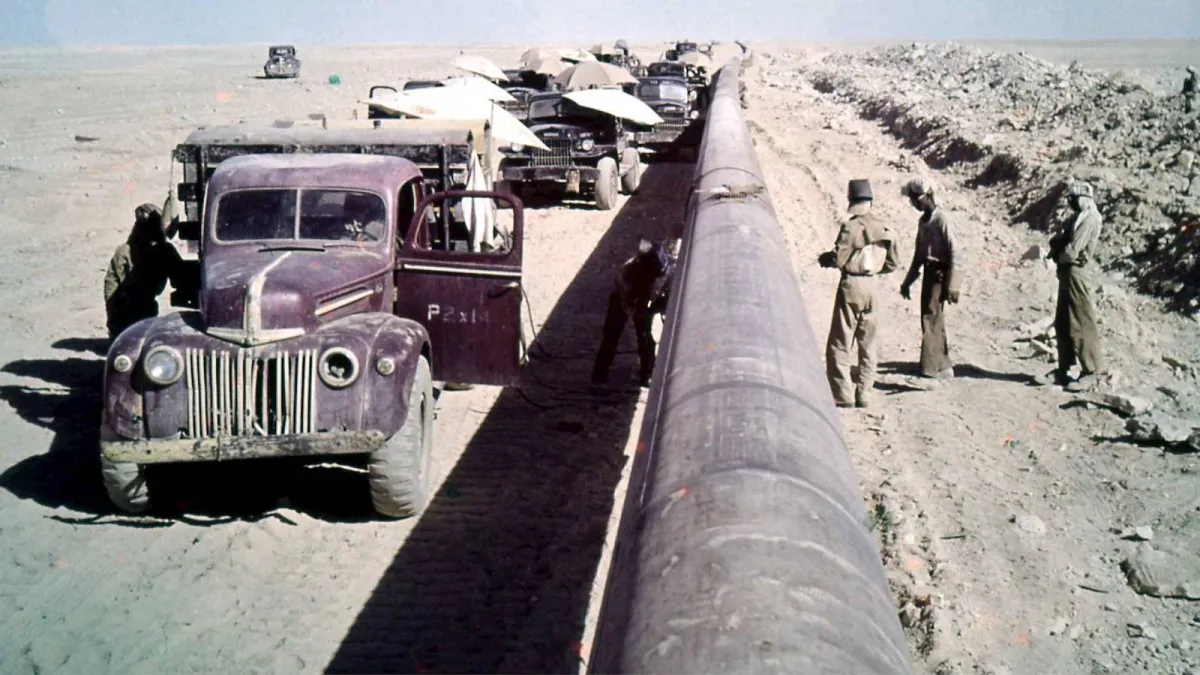
This vision comes amid disrupted maritime navigation and rising regional tensions, giving railway connectivity and cross-border oil pipeline projects exceptional momentum as sustainable alternatives. The revival of the Tapline, which extends from the Saudi city of Abqaiq to the Lebanese port of Sidon, is part of this initiative, aiming to pump between 5 to 7 million barrels per day through four parallel lines.
Additionally, the project includes rehabilitating the Kirkuk-Baniyas oil pipeline, replacing it with parallel lines that pump between 1 to 3 million barrels per day. It also encompasses extending a pipeline to transport Qatari gas to Europe, enhancing the region's capacity to overcome crises associated with the Strait of Hormuz.
Impact & Consequences
If the (4+1) projects succeed, Damascus could return to being a logistical and economic hub connecting three continents, redefining the region from one of conflict to one of transit and prosperity. These projects represent a real test of the idea of Arab economic integration and could contribute to creating a transit economy that generates billions of dollars annually and provides numerous job opportunities.
However, these projects require substantial funding and significant investments, in addition to comprehensive political consensus among the concerned countries. Their success also depends on the stability of economic and monetary conditions in the region.
Regional Significance
This initiative is considered an important step towards enhancing food and energy security in the region, as building smart logistical corridors can contribute to more effective redistribution of food and energy. Furthermore, these projects may help reduce dependence on maritime corridors, thereby minimizing the geopolitical risks associated with them.
In conclusion, this vision represents a significant opportunity to enhance Arab cooperation and achieve sustainable development, making the region a vital center in the global economy.