Syria is undergoing rapid transformations in its attempts to become a key player in the regional energy sector. If it can affirm its capability to serve as a reliable corridor based on stability and economic cooperation, it will become a central partner in the energy ecosystem of the region.
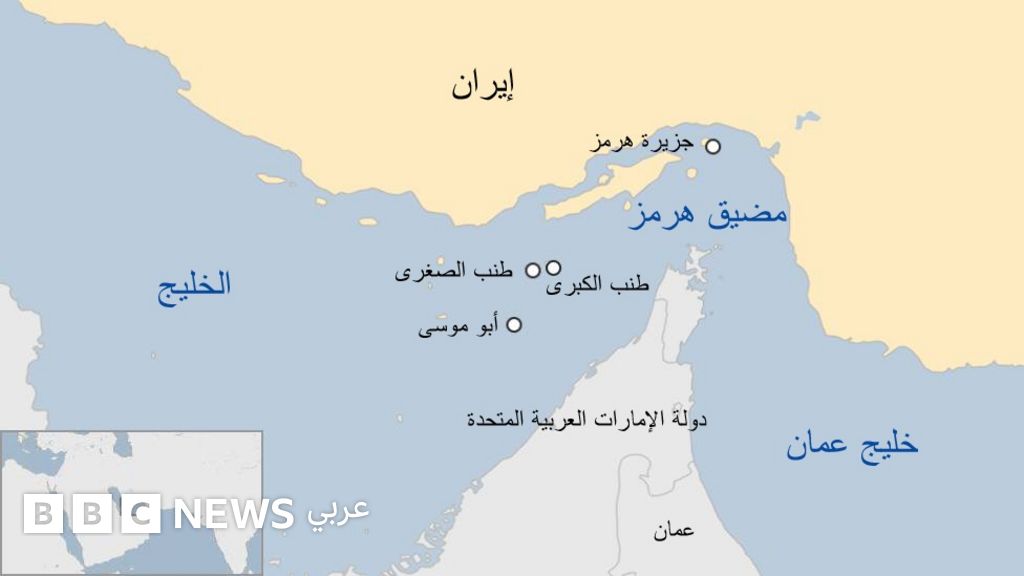
The Strait of Hormuz is facing increasing disturbances that affect global trade and energy supply security. In the midst of these challenges, Syria emerges as an alternative option that could enhance the ability of regional countries to secure their energy supplies.
Details of the Current Situation
The Strait of Hormuz is a vital point through which significant flows of oil and natural gas pass. Hence, any strategy aimed at facilitating the movement of these resources in the Middle East requires an alternative and secure route. If Syria can develop its infrastructure and provide a favorable investment climate, it could open up new horizons for broad regional cooperation in the fields of energy and transportation.
Syrian plans include rehabilitating road networks and infrastructure to be capable of accommodating transit traffic and improving connectivity between neighboring countries. With openness to foreign investments, Syria may attract global companies looking for alternatives to support energy supplies amid the tumultuous conditions in certain regional states.
Background & Context
This Syrian direction comes amid the political and economic crises that the country has faced over the past years. The civil war ongoing in Syria since 2011 has severely impacted its infrastructure and economy. However, the relative return of stability in some areas may encourage rebuilding the country as a vital center for regional energy and transportation projects.
In recent years, several countries have emerged as competitors in the energy sector, especially with new gas discoveries in the Eastern Mediterranean. Syria aims to expand its partnerships with these countries to improve its position in the regional equation.
Impact & Consequences
If Syria succeeds in enhancing its role as a reliable corridor, it could lead to improved regional economies and facilitate trade flows among Arab countries. This could also mean strengthening cooperation with countries striving for energy security.
Moreover, these steps could help ease regional tensions. However, Syria's success depends on internal political and economic stability, a challenge that cannot be overlooked.
Regional Significance
Enhancing Syria's role requires support from neighboring Arab countries and the international community. If Syria proves to be a viable corridor, there will be multiple benefits, including attracting investments, enhancing energy security, and forming new alliances in the energy sector.
In conclusion, Syria's greatest challenge lies in translating its vision into tangible reality. Engaging in effective economic dialogue and boosting transparency and security will reinforce its chances of becoming a pivotal partner in the regional energy landscape.