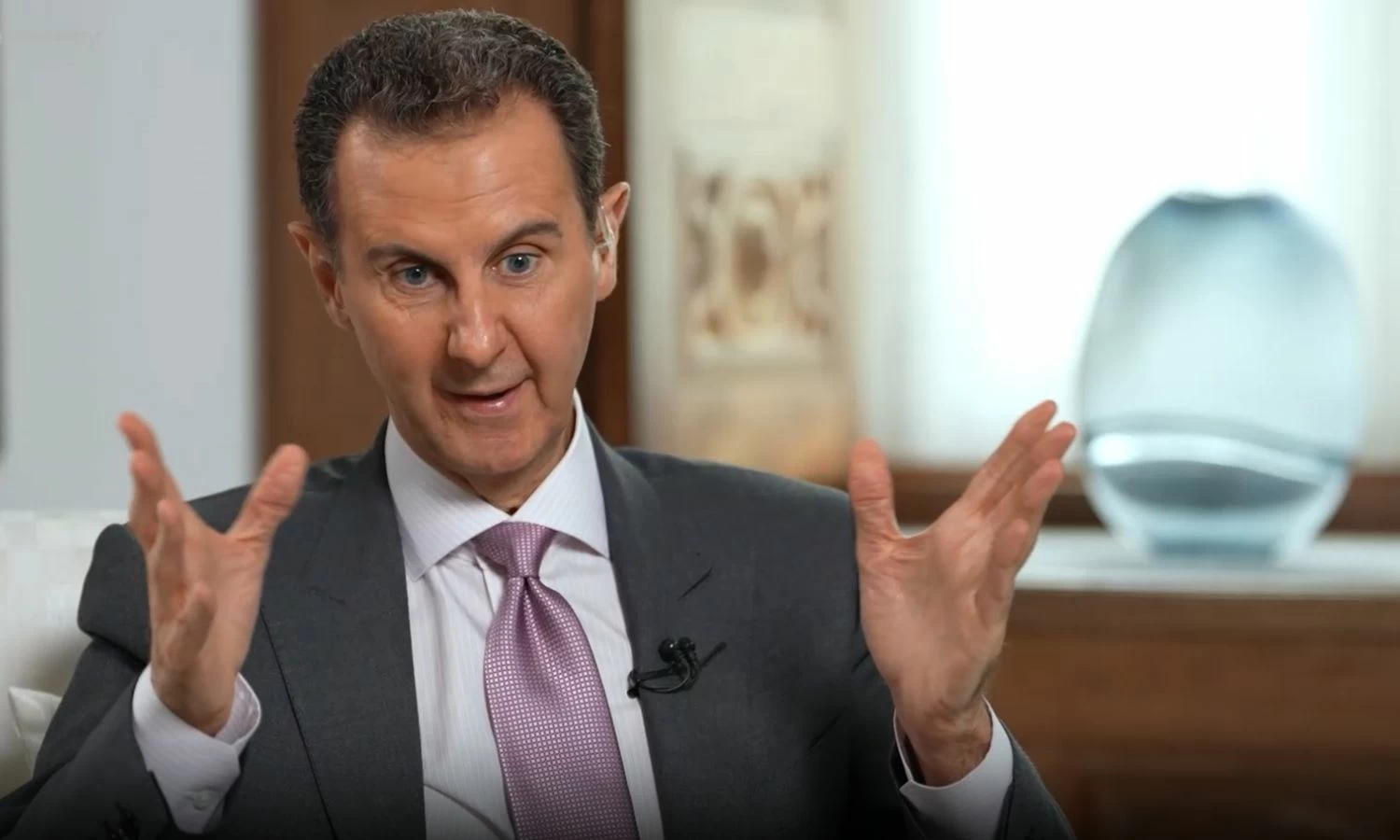
The Fourth Criminal Court in Damascus issued a historic ruling on Sunday, stripping key figures of the former Syrian regime of their civil rights. Their movable and immovable properties have been placed under the administration of the Syrian government, reflecting the increasing legal pressures on these individuals.
The list of those stripped of their assets includes former President Bashar al-Assad, his brother Maher al-Assad, former Defense Minister Fahd al-Freij, and several former officers such as Mohammad Ayoush, Louay al-Ali, Qusai Mayhoub, Wafiq Nasser, and Talal al-Asimi.
Details of the Ruling
The ruling was announced during a court session that continued from a previous meeting held in April. The judgment was issued in absentia after the defendants were summoned to court but were considered fugitives. This step indicates the ongoing legal proceedings against the symbols of the former regime, despite their absence from the trial.
In a related context, the second session of the trial of Atef Najib, the former security official, began before the Fourth Criminal Court. Victims' relatives and several members of the National Transitional Justice Authority attended the session, focusing on questioning Najib and presenting the charges against him.
Background & Context
These developments come as part of efforts to hold accountable those responsible for the grave violations committed during the Syrian conflict. Atef Najib is accused of suppressing peaceful protests in Dar'a and causing detainees, including minors, to suffer physical torture. The charges also include using detention as a means of extortion and issuing direct orders for arrests and torture.
These trials are part of the transitional justice process in Syria, where the National Transitional Justice Authority seeks accountability for crimes committed against Syrians. The session witnessed the presence of representatives from international legal and humanitarian organizations, reflecting international interest in the Syrian file.
Impact & Consequences
These legal steps are seen as a significant milestone in the path to justice in Syria, reflecting the desire of both the international and local communities to hold violators accountable. Stripping the regime's symbols of their assets may impact their political and economic future, strengthening the position of the Syrian opposition.
These decisions are expected to provoke varied reactions both within Syria and abroad, potentially escalating tensions between the regime and the opposition. Furthermore, these actions may encourage more victims to demand their rights, bolstering efforts for transitional justice in the country.
Regional Significance
These events serve as a strong message to other Arab countries facing similar issues, highlighting the importance of accountability and justice in achieving stability. Additionally, these trials may inspire justice movements in other nations experiencing human rights violations.
In conclusion, these developments represent an important step towards achieving justice in Syria, emphasizing the necessity of holding all violators accountable, which could contribute to building a better future for the country.