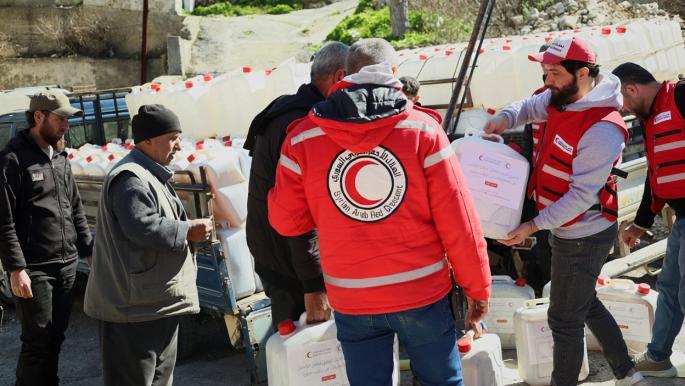
The Syrian government has announced a new decision to revoke the partnership status of both the Syrian Arab Red Crescent and the Syrian Development Organization. This decision comes at a time when the country is suffering from escalating humanitarian crises, raising concerns about the ability of these organizations to provide support and assistance to those in need.
This step is seen as a significant shift in the relationship between the Syrian government and these organizations, which have played an important role in delivering humanitarian aid and essential services to citizens. The decision highlights the increasing tensions between the government and humanitarian organizations and reflects the challenges these organizations face in operating within a complex environment.
Details of the Decision
In an official statement, the Syrian government confirmed that it would restrict the powers of the Syrian Arab Red Crescent and the Syrian Development Organization, meaning they will no longer be allowed to operate as national partners. This decision is part of the government's efforts to enhance control over humanitarian activities within the country, which may lead to a reduction in the scope of assistance provided to citizens.
The Syrian Arab Red Crescent and the Syrian Development Organization were among the leading organizations providing humanitarian aid in the country, working to deliver food support and healthcare to those affected by the ongoing conflict. However, this decision may hinder their efforts and increase the suffering of the population that relies on this aid.
Background & Context
The Syrian Arab Red Crescent was established in 1942 and is part of the international Red Cross and Red Crescent movement. The organization has played a vital role in delivering humanitarian assistance during conflicts and crises. The Syrian Development Organization was founded to meet the needs of sustainable development in the country and works to improve the living conditions of citizens.
Over the years, these organizations have faced significant challenges due to the ongoing conflict in Syria, facing pressure from the government and armed groups. Nevertheless, these organizations have strived to provide support to those in need, earning appreciation from the international community.
Impact & Consequences
This decision is expected to have negative effects on the humanitarian situation in Syria. With the restrictions placed on the Red Crescent and the Development Organization, many citizens who rely on humanitarian aid may face increased suffering. Additionally, this decision could lead to a reduction in international aid reaching the country, as donor countries may hesitate to provide support to organizations not recognized by the government.
Furthermore, this decision may raise concerns among the international community regarding human rights in Syria, as restricting the work of humanitarian organizations is considered a violation of international standards. This could lead to increased pressure on the Syrian government from international organizations and countries calling for improvements in the humanitarian situation in the country.
Regional Significance
Syria is one of the most affected countries by conflicts in the Arab region, and the humanitarian crises within it have impacted neighboring countries. With the increasing number of Syrian refugees in neighboring states, any deterioration in the humanitarian situation inside Syria will directly affect these countries, increasing economic and social pressures on them.
This decision may also raise concerns among other Arab countries facing similar challenges in dealing with humanitarian organizations. Restricting the work of these organizations could reduce the support provided to those affected by conflicts and crises in the region, complicating humanitarian situations further.
In conclusion, the Syrian government's decision to revoke the partnership status of the Syrian Arab Red Crescent and the Syrian Development Organization is a concerning step that threatens humanitarian efforts in the country and increases the suffering of the population. The current situation requires an urgent response from the international community to ensure the continued provision of support and assistance to those in need.