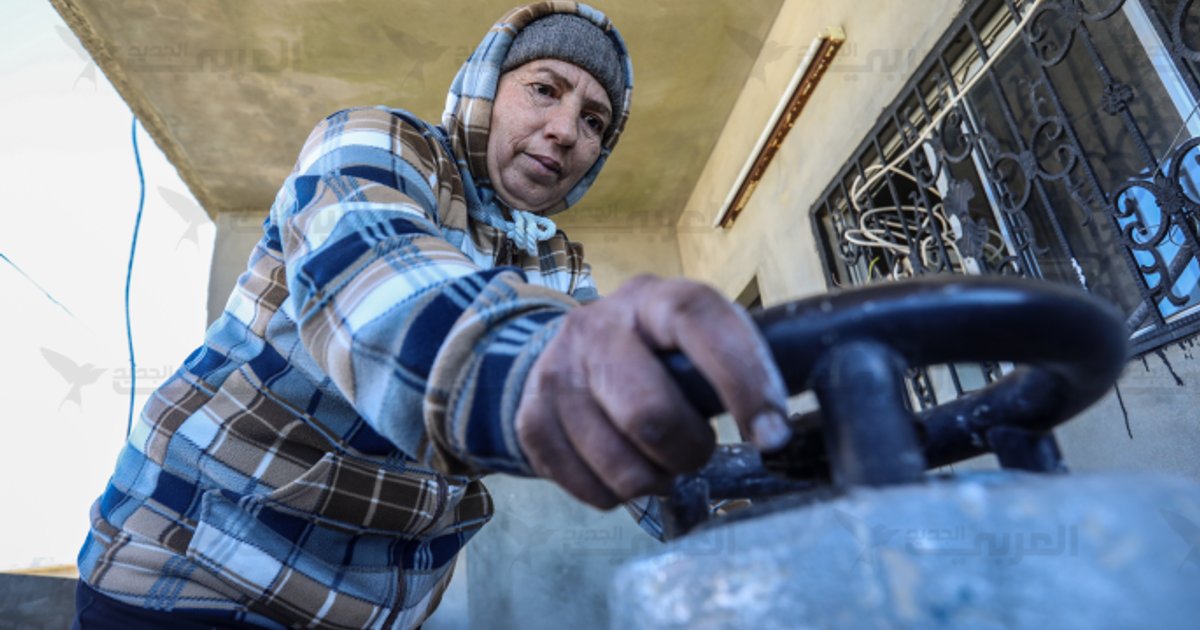
Manal Abdul Rahman, a Syrian mother, faces significant daily challenges as she works in tile cleaning. Despite the risks associated with this traditionally male-dominated profession, she fights to provide for her children.
Manal is one of many Syrian women who have been forced to leave their homes and seek work amid the difficult circumstances imposed by war. She has proven that women are capable of overcoming obstacles and participating in fields of work that were traditionally reserved for men.
Details of the Profession
Manal works in the field of tile and marble cleaning, a profession that requires special skills and high professionalism. Despite the risks she faces, including physical injuries and psychological pressures, Manal continues to work hard to provide a decent life for her children. Manal states, "I have no choice; I must work for them."
Manal receives support from some local organizations aimed at empowering women in the Syrian community, which offer training courses and financial assistance. However, the biggest challenge remains the social discrimination that women face in the labor market.
Background & Context
Since the outbreak of the conflict in Syria, many families have lost their sources of income, prompting more women to enter the labor market. According to United Nations reports, the percentage of working women in Syria has significantly increased, making women an integral part of the local economy.
Manal serves as a model for Syrian women facing the difficulties of daily life, as her story highlights the challenges women encounter in Syrian society. Despite the harsh conditions, they continue to struggle for their rights and the rights of their children.
Impact & Consequences
Manal's story illustrates how women can be a driving force in society, contributing to the economic improvement of families and the community as a whole. Women's participation in the labor market can lead to positive changes in traditional social roles, enhancing their status in society.
However, challenges remain, as women need greater support from the government and civil society to help them overcome the obstacles they face. Improving the economic and social conditions for women can contribute to building a more stable and progressive society.
Regional Significance
Manal's experience is a model to be emulated in many Arab countries suffering from conflicts and economic crises. Empowering women in the labor market can contribute to achieving sustainable development and enhancing social stability.
Success stories like Manal's reflect women's ability to adapt to difficult circumstances, encouraging more women to engage in the labor market and contribute to building their communities.
In conclusion, Manal Abdul Rahman remains a living example of willpower and resilience, as she continues to fight for a better life for her children, reflecting the spirit of hope and perseverance in the face of difficulties.