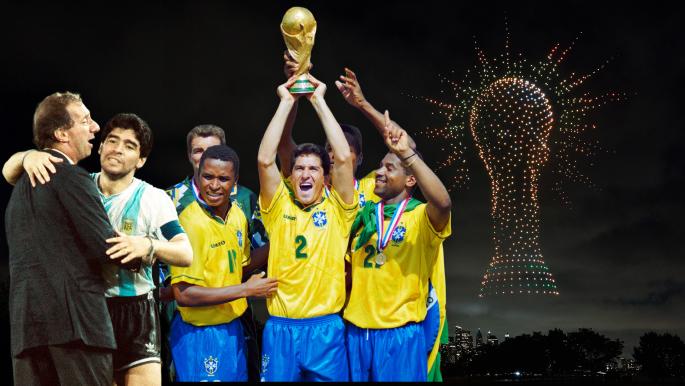
The 1970s witnessed a significant explosion in football tactics, where teams showcased remarkable individual skills and unprecedented tactical innovations. However, the 1980s and early 1990s marked a radical shift in this field, as teams began to focus on precise specialization and a 'tactical revolution'.
During this period, new training and planning methods emerged, leading to the rise of coaches like Carlos Bilardo, who had a profound impact on how teams were organized and players directed. Bilardo relied on complex strategies that focused on meticulous performance analysis, contributing to significant successes for the national teams he led.
Details of the Era
The 1980s are considered a golden period in football history, witnessing the emergence of strong teams like Argentina, which won the 1986 World Cup under Bilardo's leadership. This success was a result of implementing new tactics based on discipline and organization, helping players deliver their best performances in matches.
The way teams played also changed, with a shift towards teamwork and thoughtful tactics rather than solely relying on individual skills. This transformation raised the level of competition among teams and led to the development of new playing strategies.
Background & Context
Before this period, football heavily relied on individual skills, where players shone through their personal performances. However, with the onset of the 1980s, coaches realized that success required more than just individual skills; it needed organization and strategic planning.
This tactical revolution coincided with other developments in the sports world, such as the use of technology in performance analysis, which helped coaches make better decisions based on accurate data. These changes contributed to altering the face of football forever.
Impact & Consequences
The tactical revolution in football influenced how teams trained and developed players. Teams began to rely on advanced training methods, leading to improved overall performance. Additionally, these changes enhanced competition among teams, making matches more exciting and tactical.
Moreover, this revolution led to the emergence of new coaches on the scene, who brought fresh ideas and innovative methods. This diversity in approaches enriched the game and made it more appealing to fans.
Regional Significance
The tactical revolution also impacted football in the Arab region, where Arab teams began to adopt new training and planning methods. This shift helped raise the level of competition in local and international tournaments.
The emergence of Arab coaches on the international stage, influenced by Bilardo's methods and other tactical schools, contributed to improving the level of the game in the region. These developments reflect the importance of adapting to global changes in the world of football.
In conclusion, the tactical revolution in football represents a significant turning point in the game's history, leading to improved performance and increased competitiveness. This period was not just a change in methods but the beginning of a new era of professionalism and specialization in the world of football.