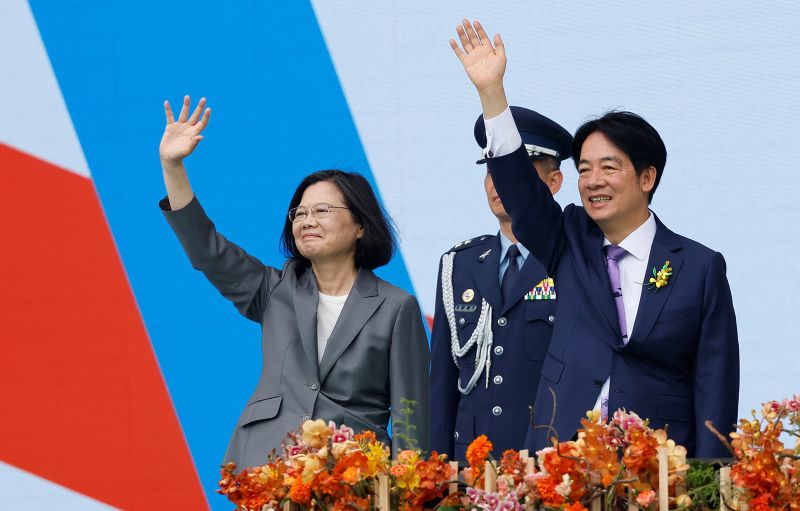
The Taiwanese opposition leader, Tsai Ing-wen, has embarked on a historic visit to China, which she has characterized as a 'journey for peace.' This visit occurs at a time when tensions between Taiwan and China are escalating, as Tsai seeks to enhance dialogue and understanding between both parties.
Through this visit, Tsai aims to open new channels of communication with the Chinese government, attempting to ease the tensions that have characterized relations between the two sides in recent years. She has emphasized the importance of building bridges of communication to achieve stability in the region.
Details of the Visit
Tsai's visit to China will last for three days and includes several meetings with government officials and representatives from civil society. She has expressed hope that this visit will contribute to improving bilateral relations, which have been significantly affected by political and security disputes.
Tsai intends to focus on economic and social issues, hoping to enhance cooperation between the two sides in areas such as trade and investment. The visit will also address cultural and educational issues, in an effort to bring the perspectives of both peoples closer together.
Background & Context
Historically, relations between Taiwan and China have been tense, especially following the Chinese Civil War in the mid-20th century. Since then, China has regarded Taiwan as part of its territory, while Taiwan strives to maintain its independence. In recent years, tensions have escalated, particularly after the increase in Chinese military activities near Taiwan.
Tsai's visit to China is considered an unconventional step, as no Taiwanese leader has visited China in years. This visit comes amid increasing international pressure on China, which may influence its stance toward Taiwan.
Impact & Consequences
Tsai's visit to China could lead to significant changes in the political dynamics of the region. If she succeeds in making progress in dialogue, it could open the door to further cooperation between Taiwan and China, potentially contributing to regional stability.
On the other hand, if the visit does not yield the desired results, it may exacerbate tensions and increase polarization between the two sides. This could have negative implications for regional security and heighten military conflicts.
Regional Significance
The relations between Taiwan and China are of great importance to the Arab region, as many Arab countries are affected by geopolitical tensions in East Asia. Stability in relations between Taiwan and China could contribute to enhancing regional security, benefiting Arab interests.
Moreover, economic cooperation between the two sides could open new avenues for trade and investment, which may positively reflect on Arab economies seeking to diversify their income sources.
In conclusion, Tsai's visit to China represents a bold step toward achieving peace, but its outcomes will depend on both sides' ability to overcome historical differences and build a shared future.