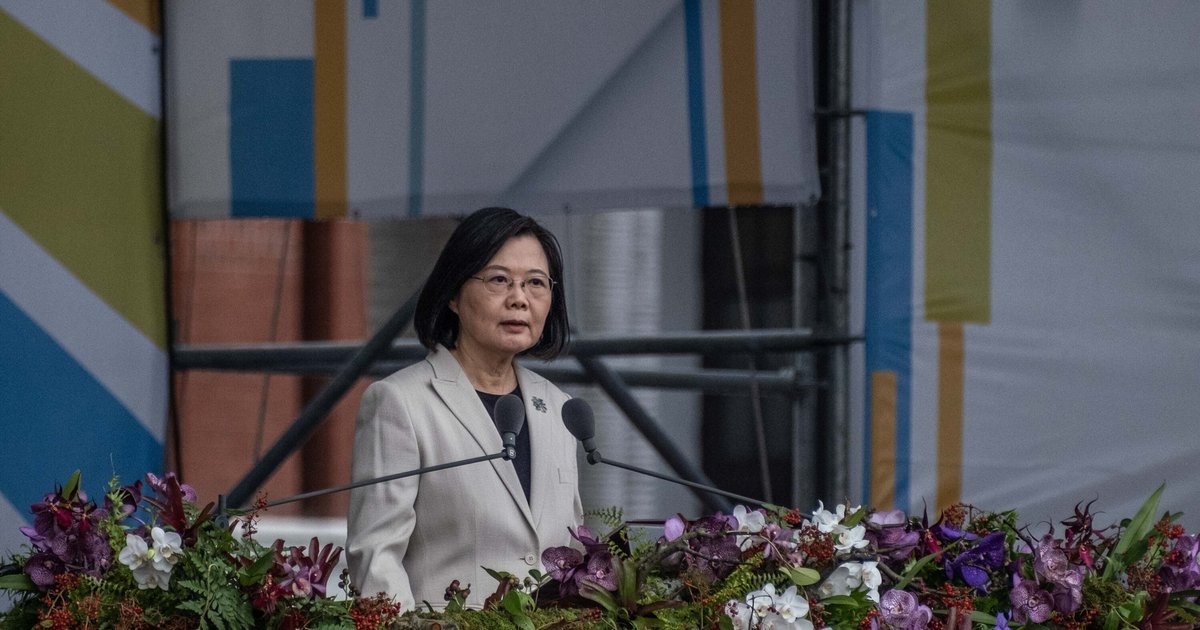
The Taiwanese opposition leader, representing the Democratic Progressive Party, is preparing for a visit to China, a move that could signify a shift in Taiwan's policy towards Beijing. This visit comes at a time when relations between Taiwan and China are increasingly strained, as Beijing seeks to bolster its calls for the unification of the island with the mainland.
The visit coincides with a rise in Chinese rhetoric surrounding 'unification,' a term used by Chinese officials to refer to their goal of reclaiming Taiwan as part of their territory. Beijing considers Taiwan an integral part of its territory, while the island has enjoyed self-governance since the end of the Chinese Civil War in 1949.
Details of the Visit
The opposition leader's visit is expected to focus on enhancing dialogue between the two sides, as the opposition party aims to reduce tensions with Beijing. The opposition leader has confirmed that the visit aims to explore avenues for cooperation between Taiwan and China, in an effort to alleviate the tensions that have characterized recent years.
This move comes at a sensitive time, as the current Taiwanese government, led by Tsai Ing-wen, continues to adopt a hardline stance towards China, exacerbating tensions between the two sides. The opposition leader has expressed a willingness to open dialogue with Beijing, which may spark significant debate within the Taiwanese political landscape.
Background & Context
Historically, relations between Taiwan and China have been tense, with Beijing viewing any moves towards Taiwanese independence as a threat to its national interests. Since Tsai Ing-wen assumed the presidency, Taiwan has pursued a more stringent policy towards China, resulting in increased military and economic pressures from Beijing.
In recent years, Taiwan has seen a rise in international support, as Western nations seek to strengthen their ties with the island as part of their strategy to counter China's growing influence in the region. However, the opposition leader's visit may reflect a desire to reassess these dynamics.
Impact & Consequences
The opposition leader's visit could significantly impact the political landscape in Taiwan, potentially opening doors for dialogue with Beijing and easing tensions. However, this move may face strong opposition from the current government and independence advocates.
If the visit succeeds in achieving tangible progress in relations between the two sides, it could lead to a shift in Taiwanese policy towards China, which may reflect on the overall stability of the region. Nevertheless, any move towards rapprochement could raise concerns among Taiwan's allies, particularly the United States, which is a key ally of the island.
Regional Significance
Relations between China and Arab countries are continuously evolving, as Beijing seeks to enhance its influence in the region through substantial investments and initiatives like the Belt and Road Initiative. In light of these dynamics, any changes in relations between Taiwan and China could affect Arab countries' strategies in dealing with Beijing.
Arab nations are looking to strengthen their ties with China, and any shifts in Taiwanese policy may prompt a reassessment of these relationships. It is crucial for Arab countries to closely monitor developments in Taiwan and their potential impact on Arab interests.