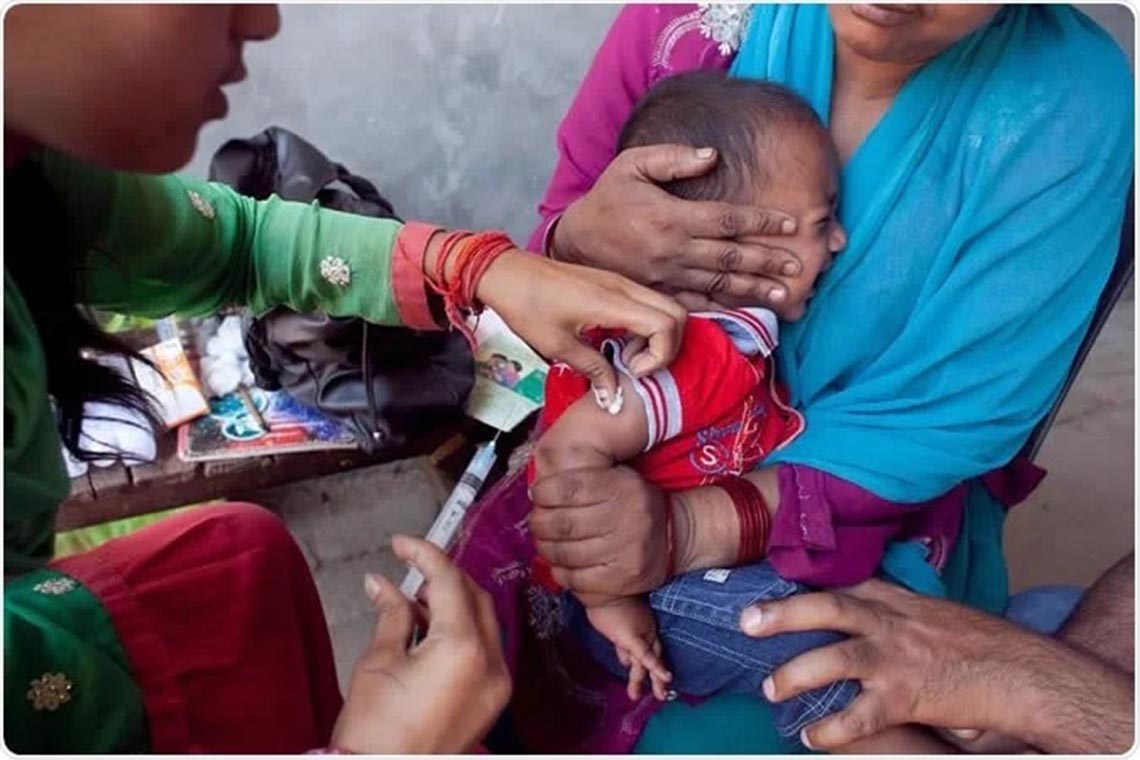
The health department in Tangerang, located in the Indonesian province of Banten, has announced an ambitious plan to vaccinate 180,000 children aged between 9 months and 5 years against measles. This initiative is part of the Indonesian government's efforts to curb the spread of this infectious virus, which has seen an increase in cases across the country in recent months.
In statements made, Hendra Tamizi, head of the health department in Tangerang, confirmed that the campaign will commence on March 30, 2026, with all children being vaccinated regardless of their previous vaccination status. He explained that the goal of this campaign is to enhance children's immunity against the virus, thereby reducing the risk of infection in the future.
Details of the Vaccination Campaign
The campaign will involve vaccinating children at all primary healthcare units (Puskesmas) in Tangerang. The regional government has allocated 180,000 doses of measles vaccine to meet the needs of the campaign. Tamizi noted that the campaign will last for two weeks, focusing on the areas most affected by the virus.
Data indicates that there are three areas in Tangerang that have experienced the highest rates of measles infection: Teluknaga, Pasar Kemis, and Bagdandang. Approximately 140 cases were recorded from January to March 2026, reflecting the urgent need for this campaign.
Background & Context
Measles is a contagious disease that can lead to serious complications, especially in children. Indonesia has seen an increase in measles cases in recent years, prompting the government to take urgent action. In 2025, around 180 cases were recorded, indicating the escalating threat posed by this virus.
Vaccination programs are a critical component of public health strategy in Indonesia, aiming to achieve herd immunity against infectious diseases. Studies have shown that vaccination can significantly reduce the rates of infection and mortality associated with measles.
Impact & Consequences
The government expects this campaign to contribute to a reduction in measles cases in the future, leading to improved public health for children in the region. Additionally, enhancing immunity among children will help alleviate the burden on the healthcare system, which is under significant pressure due to infectious diseases.
It is also crucial for the government to continue raising awareness among families about the importance of vaccination, as accurate information plays a vital role in increasing vaccination rates. Collaboration between various government entities and the local community will positively impact the success of the campaign.
Regional Significance
Indonesia's experience in combating measles is particularly relevant for many Arab countries facing similar public health challenges. Arab nations can draw lessons from this campaign to strengthen their vaccination programs, especially in areas with low vaccination rates.
In conclusion, the Tangerang campaign represents a positive step towards enhancing child health and highlights the importance of vaccination as an effective means to reduce the spread of infectious diseases. The success of this campaign could serve as a model for other regions, bolstering global efforts to combat infectious diseases.