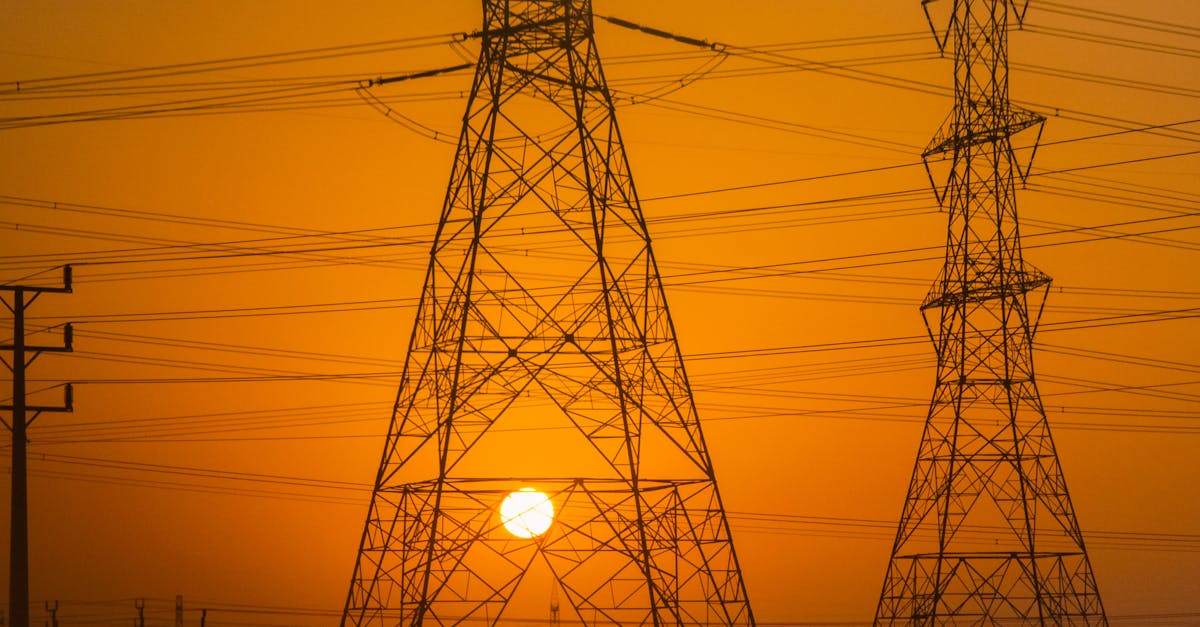
The targeting of bridges and power stations in Iran and Gulf countries is considered a war crime under the Geneva Conventions, which prohibit attacks on civilian infrastructure. However, it appears that U.S. President Donald Trump does not take these violations into account, raising alarm within the international community.
Concerns are growing over escalating violence in the region, as vital facilities affecting millions of lives are being targeted. These attacks not only damage infrastructure but also exacerbate humanitarian crises in the affected countries.
Details of the Incident
Reports continue to emerge regarding the targeting of bridges and power stations in Iran and Gulf countries, indicating that these attacks are part of an increasing military escalation. Numerous incidents have been documented where warplanes have targeted these facilities, resulting in their complete destruction.
These attacks represent a blatant violation of international law, as the Geneva Conventions stipulate the necessity of protecting civilians and vital infrastructure. Nevertheless, international reactions to these violations have been mixed, raising questions about the effectiveness of the international community in addressing these crimes.
Background & Context
The roots of tensions in the region extend back many years of political and military conflicts. Iran and Gulf countries have experienced increasing tensions due to regional conflicts, including the disputes in Yemen and Syria. These conflicts have exacerbated humanitarian conditions, as civilians suffer from their direct impacts.
In recent years, attacks on vital facilities in the region have intensified, leading to the destruction of numerous bridges and power stations. These assaults not only affect the local economy but also worsen humanitarian crises, as populations struggle with shortages of electricity and water.
Impact & Consequences
Reports indicate that these attacks could lead to further escalation in the conflict, as targeted countries may respond with counterattacks. This escalation could spiral into a cycle of violence, increasing civilian suffering and complicating peace efforts in the region.
Furthermore, the international community's disregard for these crimes could set a dangerous precedent, potentially encouraging other nations to violate human rights and international law without fear of punishment. This situation could lead to a culture of impunity in armed conflicts.
Regional Significance
These events serve as a wake-up call for Arab countries, highlighting the urgent need to enhance regional cooperation to address security challenges. Arab nations must unite to confront these violations and protect civilian rights in the region.
Additionally, these events may impact relations between Arab countries and Iran, potentially escalating tensions and increasing divisions. It is crucial for Arab nations to promote dialogue and understanding to avoid further escalation.
In conclusion, the targeting of bridges and power stations in Iran and Gulf countries represents a blatant violation of international law, necessitating urgent action from the international community. Efforts must be combined to protect civilians and ensure that such crimes are not repeated in the future.