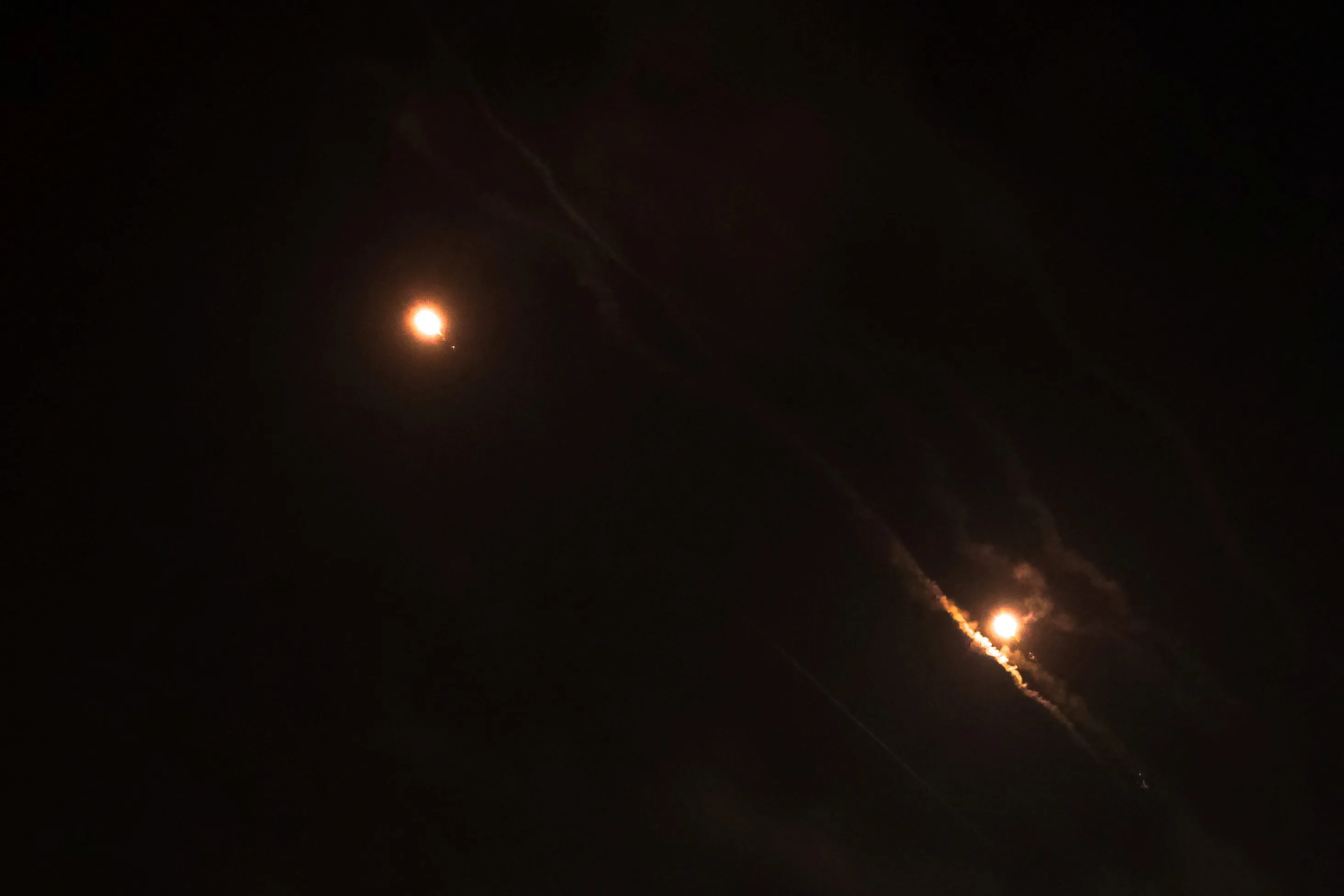
An Iranian missile attack on a drone manufacturing facility in Petah Tikva, Israel, has caused significant damage to the site. The incident comes amid rising regional tensions between Iran and Israel, reflecting an escalation in the ongoing conflict between the two sides.
Initial reports indicate that the attack resulted in the destruction of a large part of the factory, which is considered a vital facility in the drone manufacturing industry. Local sources have reported that the incident led to a large fire at the site, necessitating the intervention of firefighting teams to control the flames.
Details of the Incident
According to Yedioth Ahronoth, the attack occurred late at night, with the missiles accurately targeting the factory. There have been no reports of human casualties, but the material damage was substantial, raising questions about Israel's ability to protect its vital facilities.
This attack comes at a highly sensitive time, as tensions between Iran and Israel are escalating, particularly following a series of reciprocal attacks between the two sides. It is believed that Iran aims to send a strong message to Israel through these attacks, indicating its capability to target Israeli military and industrial facilities.
Background & Context
Historically, Iranian-Israeli relations have been marked by increasing tensions, with Israel viewing Iran as an existential threat, especially in light of Iran's nuclear program and its development of ballistic missiles. Conversely, Iran seeks to enhance its influence in the region by supporting allies such as Hezbollah in Lebanon and militias in Iraq and Syria.
Reciprocal attacks between the two sides are not new; Israel has previously targeted Iranian sites in Syria, while Iran has responded with attacks on Israeli targets. This recent escalation indicates that the conflict may be heading toward a more dangerous phase, where attacks could lead to widespread military responses.
Impact & Consequences
The attack on the Petah Tikva factory may provoke strong reactions from the Israeli government, which could tighten its security measures and increase military operations against Iranian targets. Additionally, this incident could lead to greater military escalation in the region, further increasing instability in the Middle East.
Moreover, this attack may affect relations between Israel and the United States, as the latter seeks to contain Iranian influence in the region. The United States may find itself compelled to respond to any escalation from Iran, complicating the security situation further.
Regional Significance
This escalation between Iran and Israel has direct implications for Arab countries, potentially leading to increased tensions in the region. Arab nations that have relations with Israel may find themselves in a precarious position, especially if hostilities between the two sides escalate.
This incident may also raise concerns among Arab countries about the possibility of the conflict spilling over into their territories, prompting them to take precautionary measures to protect their national security. Under these circumstances, the situation in the Middle East remains fragile and requires intensive diplomatic efforts to avoid further escalation.
The attack on the drone factory in Petah Tikva reflects a serious escalation in the Iranian-Israeli conflict and indicates that the region may be on the brink of a new phase of military tensions. The current situation necessitates that all parties involved work towards de-escalating tensions and avoiding a slide into a broader conflict.