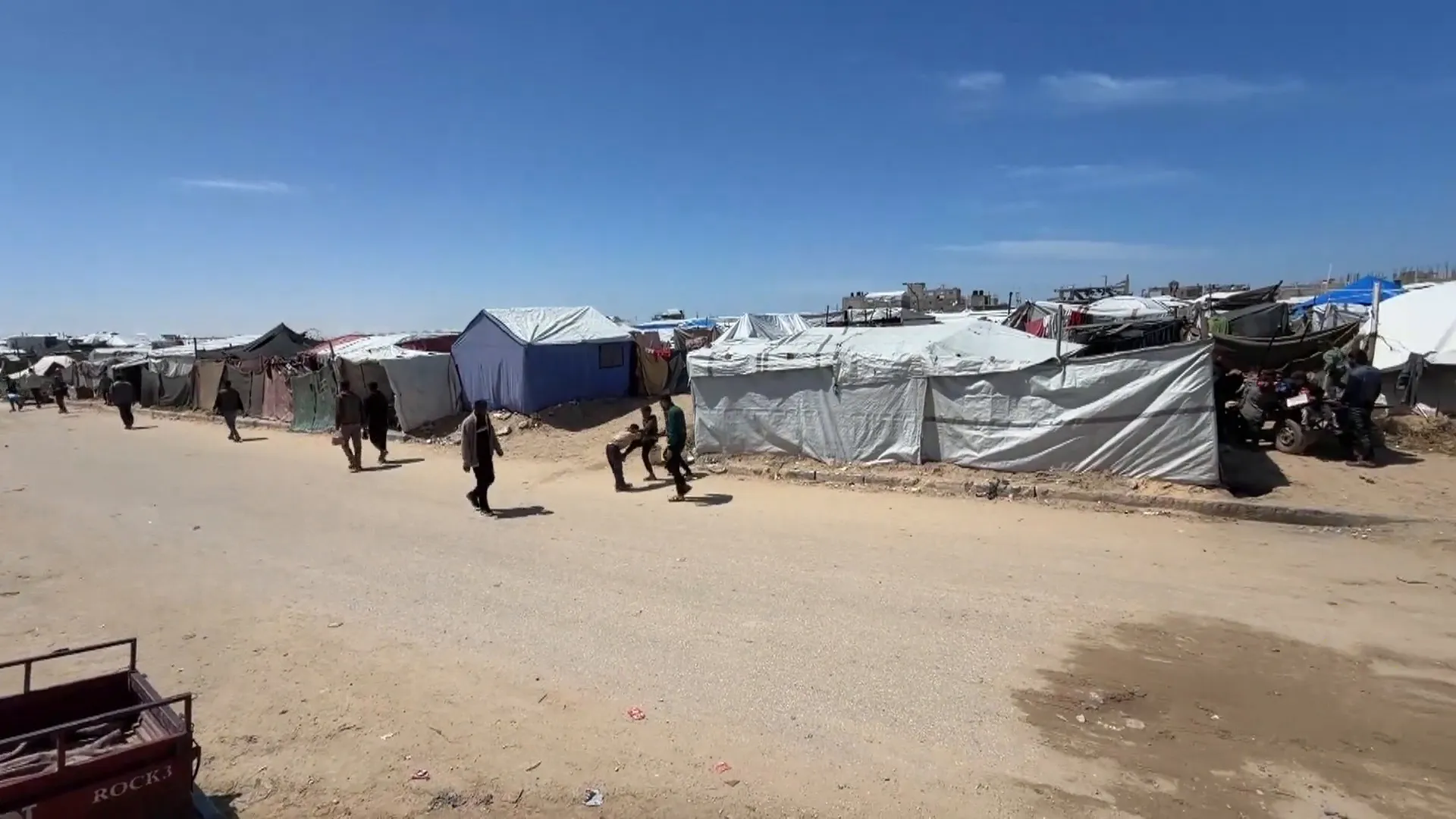
Displaced persons' tents in Gaza, classified by Israel as humanitarian zones, have faced repeated attacks from Israeli forces. Despite being far from control points, residents continue to suffer from gunfire and shelling, exacerbating their hardships.
Daily reports from Gaza document injuries and fatalities among the displaced, as the Israeli forces continue to target them indiscriminately. These assaults come at a time when the residents of the sector are enduring harsh humanitarian conditions, with tents lacking even the most basic necessities of life.
Details of the Incident
Information indicates that Israeli forces are targeting tents in the western areas of the sector, which are supposed to be safe. These attacks raise concerns among the displaced, who believe they are in areas far from any direct confrontations. However, Israeli shells do not distinguish between civilian and armed individuals, increasing fears of a worsening humanitarian situation.
These assaults persist despite international calls to cease hostilities and protect civilians. Displaced persons in Gaza face significant challenges, living in difficult conditions with shortages of food, water, and healthcare.
Background & Context
Historically, the Gaza Strip has witnessed numerous armed conflicts, leading to a deterioration of humanitarian conditions. Since the onset of the Israeli-Palestinian conflict, residential areas in Gaza have been subjected to multiple attacks, resulting in the displacement of thousands of residents. As tensions escalate, tents have become a refuge for many families who have lost their homes.
Israel considers these areas safe, but the reality on the ground proves otherwise. The repeated attacks on the displaced reveal the occupation's policy towards civilians, provoking widespread international condemnation.
Impact & Consequences
These assaults significantly affect the humanitarian situation in Gaza, where displaced persons suffer from acute shortages of humanitarian aid. Additionally, these attacks exacerbate the psychological conditions of the population, who live in a state of constant fear and anxiety.
Calls from human rights organizations to stop assaults on civilians and provide support to the displaced are increasing. However, the international response remains weak, further intensifying the suffering of the population.
Regional Significance
The events in Gaza are part of the broader Israeli-Palestinian conflict, which impacts stability in the region. The assaults on the displaced raise concerns among Arab nations, which call for a comprehensive solution to the conflict.
Pressure is mounting on Arab governments to intervene and provide humanitarian support to those affected. These events also contribute to strengthening Arab solidarity with the Palestinian cause, reflecting on political stances in the region.
In conclusion, the situation in Gaza remains alarming, as displaced persons continue to face daily challenges. The situation requires urgent international action to protect civilians and provide the necessary assistance.