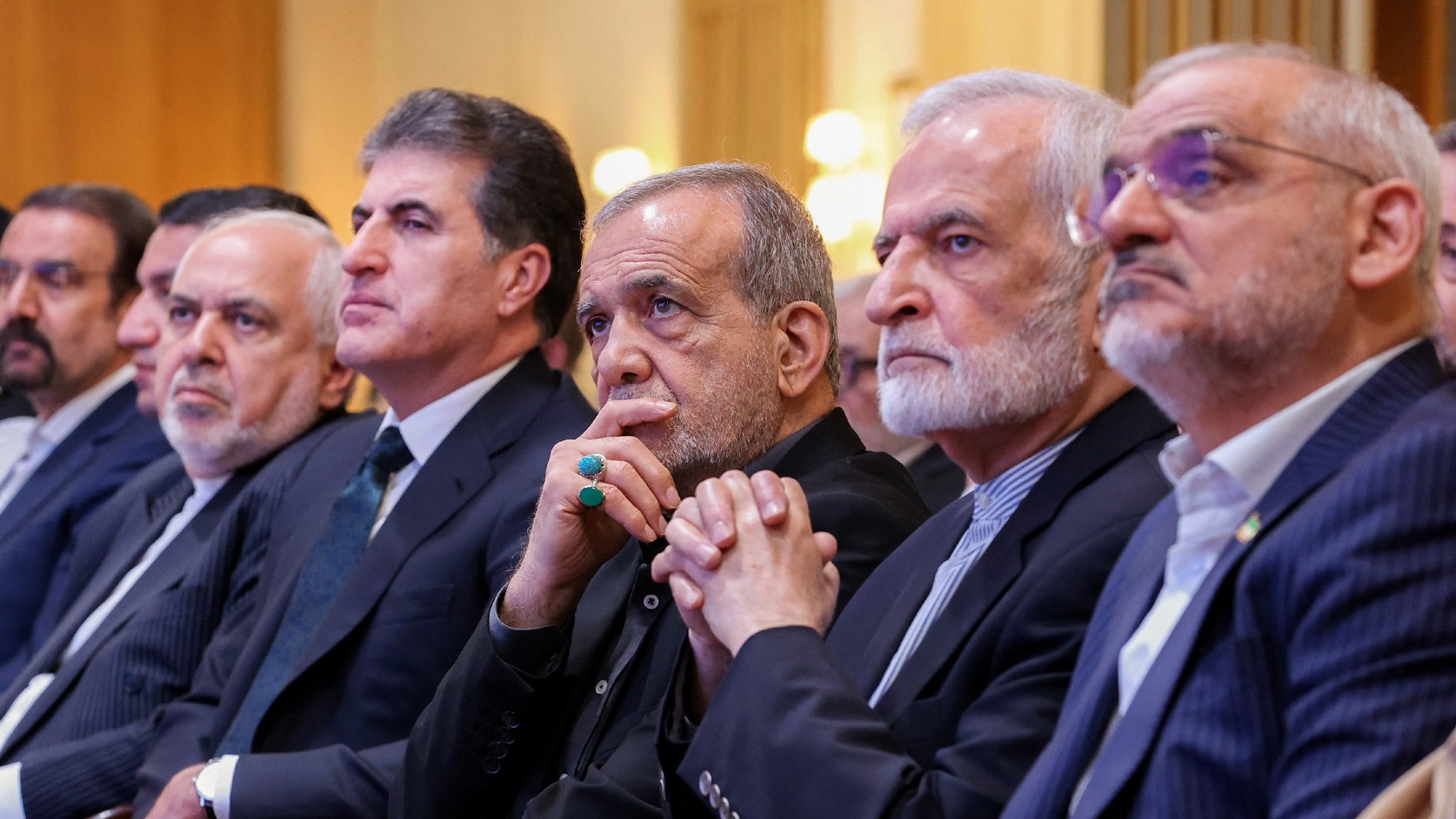
Kamal Kharrazi, the head of Iran's Strategic Council on Foreign Relations, suffered serious injuries in a joint airstrike by the United States and Israel that targeted his home on Wednesday. Iranian media reported that the attack also resulted in the death of his wife, further escalating tensions in the region.
Kharrazi, who is 81 years old, was transported to the hospital for treatment. He is considered a prominent figure in Iranian politics, having served as Foreign Minister from 1997 to 2005, and played a significant role in Iranian diplomacy during his tenure as Iran's permanent representative to the United Nations from 1989 to 1997.
Details of the Incident
The attack on Kharrazi is seen as the latest episode in a series of assaults targeting Iranian officials since the onset of military conflict in the region. Several prominent figures have been targeted, including Iranian National Security Advisor Ali Shamkhani, Revolutionary Guard Commander Mohammad Pakpour, and Defense Minister Aziz Nasirzadeh, reflecting a significant escalation in military operations against Iran.
It is noteworthy that Kharrazi had emerged as a potential mediator in diplomatic efforts to end the conflict, raising questions about whether the attack aimed to undermine those efforts. However, Kharrazi had previously indicated in statements that he no longer saw room for diplomacy, expressing his disappointment with negotiations with the United States.
Background & Context
Historically, relations between Iran and the United States have seen a marked escalation since Washington's withdrawal from the Iranian nuclear deal in 2018. Since then, the United States has imposed stringent sanctions on Iran, exacerbating the country's economic and political conditions. Israel has also increased its military activities against Iran, targeting military and security sites within the country.
The attack on Kharrazi comes at a sensitive time, as Iran seeks to bolster its position in the region amid growing international pressures. The ongoing conflict has resulted in the deaths of thousands of civilians and military personnel, complicating the regional situation further.
Impact & Consequences
If Kharrazi succumbs to his injuries, he will be the latest high-ranking Iranian official to be killed since the beginning of the conflict, potentially leading to strong reactions from the Iranian government. Tehran may adopt a more aggressive policy towards the United States and Israel, increasing the likelihood of further escalation in the region.
This attack could also impact potential diplomatic efforts, as Iran may feel that diplomatic options have been closed off, prompting it to take more extreme measures in its responses.
Regional Significance
Arab countries are directly affected by the rising tensions between Iran, the United States, and Israel. Any military escalation could destabilize the region, negatively impacting regional security. Arab nations seeking to improve relations with Iran may find themselves in a difficult position amid escalating violence.
In conclusion, the attack on Kamal Kharrazi represents a turning point in the ongoing conflict and reflects the significant challenges Iran faces amid increasing military and political pressures. The developments of this event will remain under global scrutiny, as they could significantly influence the future of relations in the region.