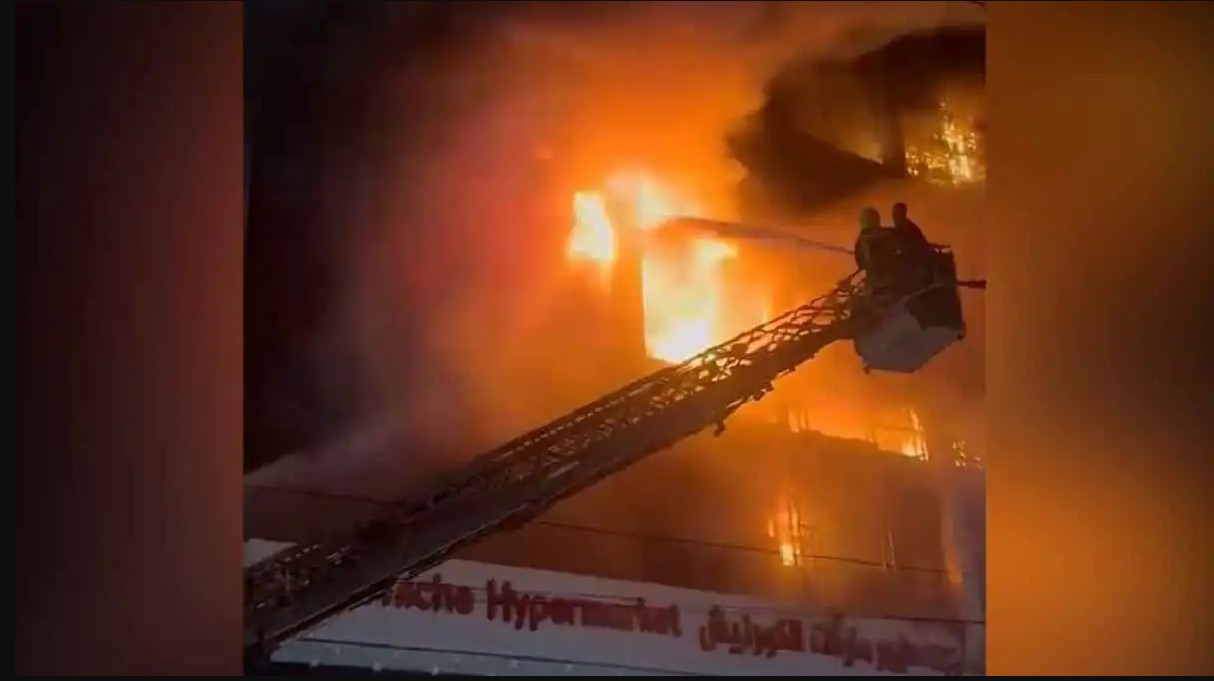
The spokesperson for Iraqi forces stated that targeting civilian facilities and incomplete bridges will not lead to the surrender of Iraqi forces, emphasizing the continuation of resistance against challenges. He pointed out that these actions will not deter them from achieving their goals of maintaining security and stability in the country.
These statements come at a time when Iraq is witnessing an escalation in attacks on civilian facilities, increasing tensions in the region. Recent reports have documented a rise in attacks targeting infrastructure, raising concerns about the impact on civilian lives.
Details of the Incident
In a press conference, the spokesperson said that Iraqi forces are committed to facing security challenges, and that targeting civilian facilities will not deter them from continuing their work to achieve security. He clarified that these attacks are part of attempts to weaken the morale of Iraqi forces, but they will not surrender.
He also added that there is ongoing coordination with other security forces to confront these threats. He noted that targeting incomplete bridges reflects a lack of respect for civilians and for the efforts made towards reconstruction and development in the country.
Background & Context
Historically, Iraq has witnessed numerous security crises that have led to the destruction of infrastructure. For years, the Iraqi government has been striving to rebuild what wars and conflicts have destroyed. However, the continuous attacks on civilian facilities hinder these efforts and negatively affect the lives of citizens.
It is worth noting that Iraq has seen a relatively improved security situation in recent years, but threats remain. Attacks on civilian facilities reflect the ongoing conflict in the region and the challenges of reconstruction.
Impact & Consequences
Recent statements emphasize the importance of maintaining the morale of Iraqi forces in the face of challenges. Targeting civilian facilities may exacerbate humanitarian conditions, as civilians directly suffer the consequences of these attacks.
Moreover, these conditions could affect relations between Iraq and neighboring countries, as the Iraqi government seeks to enhance security cooperation with its neighbors to confront common threats. At the same time, the continuation of attacks may increase pressure on the Iraqi government to provide security for its citizens.
Regional Significance
The situation in Iraq serves as an indicator of the security challenges faced by many Arab countries. The ongoing conflicts and attacks on civilian facilities may exacerbate humanitarian crises in the region.
These conditions require a coordinated international response to assist Iraq in reconstruction and enhance security. Additionally, cooperation among Arab countries in facing common threats is essential for maintaining stability in the region.
In conclusion, the situation in Iraq remains a focal point for the world, as the Iraqi government strives to achieve security and stability despite ongoing challenges. Targeting civilian facilities will not deter Iraq from resistance but reflects the urgent need for international cooperation in addressing security challenges.