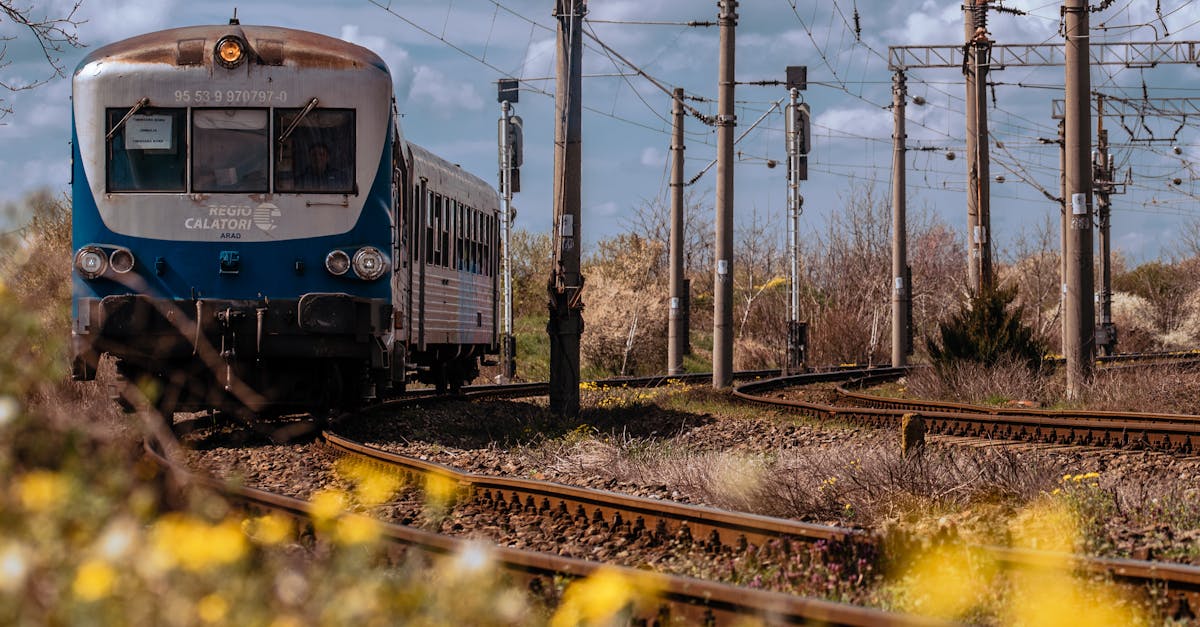
The Iranian railway network was subjected to several direct attacks yesterday, raising serious concerns about the impact on cargo transport and raw materials. The Israeli army warned Iranians against using trains or approaching railway lines until 9 PM local time, escalating tensions in the region.
The Tasnim news agency reported that one of the strikes hit a section of the Tehran-Mashhad line, damaging the track and disrupting train services on this route. Additionally, the Fars news agency noted that the Yahya Abad bridge in Kashan was attacked, resulting in the deaths of two people and injuries to three others, along with strikes on the Karaj railway and a bridge on the Zanjan-Miyanah line, leading to the cancellation of train services from Mashhad station.
Details of the Incident
The railways in Iran are among the most important means of transport, not only for passengers but also playing a vital role in the transport of goods and raw materials. According to the IRNA news agency, the Iranian railway company aims to transport 54 million tons of goods during the current Iranian year, and cargo transport by rail has seen a growth of 12% during the first eight months of the year.
These indicators reflect the importance of railways as a fundamental element of the Iranian economy, as many sectors rely on them daily. The railways are also directly linked to ports, enhancing their role in international trade.
Background & Context
The Iranian railways are a vital artery connecting ports to factories and markets. The Shahid Rajaei port, which accounts for 70% of cargo transit, is a major departure point for goods. According to an official at the Iranian Ministry of Transport, the Hormozgan railway network is one of the main arteries for transportation in the country.
Any disruption in this network does not only mean a halt to train services but also affects supply chains, leading to increased pressure on storage and distribution. This negatively impacts the arrival of goods to markets and factories.
Impact & Consequences
The effects of targeting the railways go beyond physical damage, as it directly impacts production costs and prices. In the raw materials sector, around 15 million tons of metals are transported annually via rail, reflecting the heavy industries' dependence on this network.
With increasing pressures on domestic transport, operators may be forced to shift part of the cargo to road transport, raising transportation costs and affecting production. This could lead to bottlenecks in supplying factories and warehouses, impacting the overall economic cycle.
Regional Significance
These events indicate a rise in tensions in the region, which may affect trade flows between Arab countries and Iran. Any disruption in the Iranian railways could reflect on the cost of goods in Arab markets, increasing the economic challenges faced by neighboring countries.
In conclusion, targeting the Iranian railways represents a real threat to trade and supply movements, as this network is not just a means of transport but an economic and strategic defense line that ensures the continuity of commercial and industrial activities in the country.