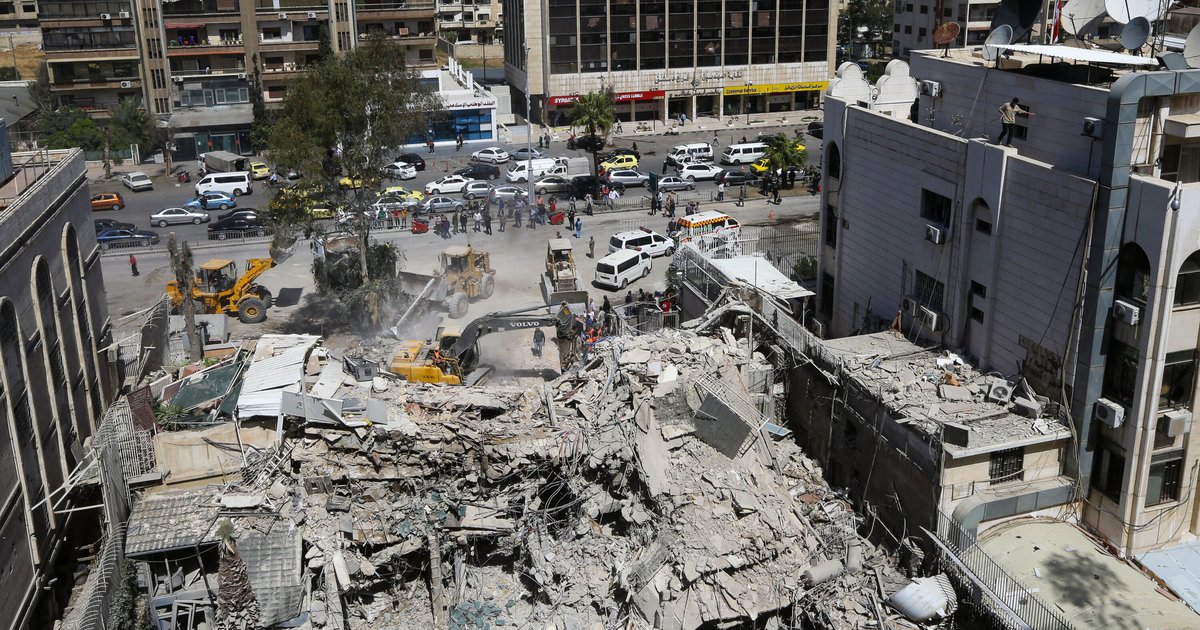
The war in Iran has reached the heart of heavy industry, as Iranian steel factories faced airstrikes that resulted in the death of one person and injuries to others. The attacks targeted 'Mobarakeh Steel' in Isfahan and 'Khuzestan Steel' in Ahvaz, threatening one of the most important non-oil economic sectors in the country.
The strike on 'Mobarakeh Steel' resulted in one fatality and 15 injuries, while no human casualties were reported at 'Khuzestan Steel', despite damage to some facilities. These factories are not ordinary; they represent about 4.5% of the Iranian economy and 16.5% of non-oil exports, with steel exports contributing approximately $8 billion annually.
Details of the Incident
In the details of the attack, 'Mobarakeh Steel' confirmed that the strike targeted electrical facilities and the steel production workshop. The governor of Isfahan clarified that the strike hit two power stations, leading to severe damage at the 'Mobarakeh Steel' workshop. However, Iranian sources did not provide precise figures regarding the extent of the production affected.
As for 'Khuzestan Steel', some of its facilities sustained damage, but no injuries were reported. The attack on this facility is considered a significant blow to the intermediate steel sector and exports, as it is the largest exporter of Iranian steel.
Background & Context
Before the outbreak of the war, the Iranian steel sector was already under significant pressure due to an energy crisis. Data showed that steel production in 2024 experienced slight growth, while production declined in December due to gas and electricity shortages. 'Mobarakeh Steel', for instance, suffered from over 75 days of gas restrictions since November 2024.
These factories are considered essential pillars of the Iranian economy, significantly contributing to foreign currency provision. Any decline in their production will negatively impact the local market and Iran's competitiveness in the global market.
Impact & Consequences
The targeting of Iranian steel factories is viewed as a harsh blow to the country's economy, potentially exacerbating the energy crisis affecting the sector. If pressures continue, this could push the sector into a more vulnerable stage, impacting Iran's non-oil revenues.
The recent strikes are not merely localized injuries; they indicate a shift in the course of the war towards targeting vital infrastructure. This could complicate Iran's efforts to maintain its position among the top steel producers in the world.
Regional Significance
Events in Iran may affect regional markets, as Iran is considered one of the largest steel producers in the region. Any decline in production could lead to price increases in neighboring markets, impacting the economies of Arab countries that rely on steel imports.
Under these circumstances, it becomes essential to monitor developments in Iran and their impact on regional stability.