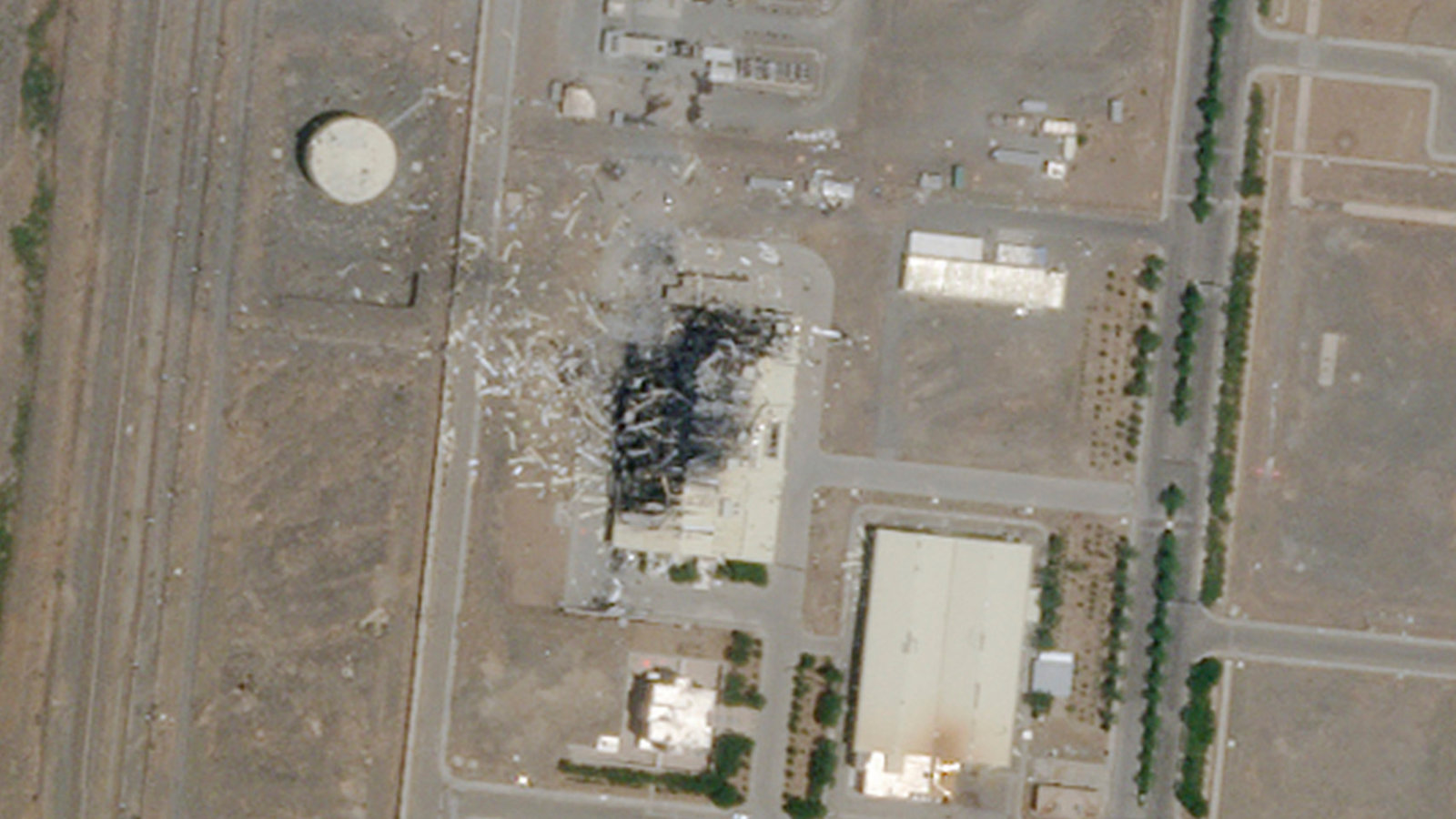
The targeting of petrochemical facilities in Iran raises questions about the impact of these strikes on the Iranian economy and its ability to disrupt a vital sector amid increasing Western sanctions. These strikes come at a sensitive time as the Iranian regime seeks to bolster its economic and military capabilities under growing pressure from the West.
The petrochemical industry is a cornerstone of the Iranian economy, significantly contributing to the revenues necessary to support other economic activities. Therefore, any targeting of these facilities could lead to serious repercussions for the national economy, increasing the pressure on the Iranian government.
Details of the Incident
Recently, several petrochemical facilities in Iran have been targeted, raising widespread concern about the future of this industry. Reports indicate that these strikes may be a result of escalating regional tensions, as Western powers seek to undermine Iran's ability to develop its nuclear and military programs.
Iran is one of the leading countries in petrochemical production, with this industry providing job opportunities and boosting the local economy. However, ongoing military and economic pressures could lead to a decline in this industry, negatively impacting the overall economic situation in the country.
Background & Context
Historically, Iran has faced several waves of economic sanctions imposed by Western countries due to its nuclear program. These sanctions have significantly affected vital sectors, including oil and petrochemicals. In recent years, Iran has sought to diversify its economy and reduce its reliance on oil, but continuous pressures may hinder these efforts.
Petrochemicals are an essential part of Iran's economic strategy, as the country relies on them to achieve self-sufficiency and generate the revenues needed to face economic challenges. Therefore, targeting these facilities could weaken Iran's ability to achieve its economic goals.
Impact & Consequences
The repercussions of targeting petrochemical facilities could be multifaceted. Economically, the destruction of these facilities could lead to a decrease in production and an increase in unemployment, deepening the economic crises the country is experiencing. Additionally, this targeting could enhance instability in the region, increasing tensions between Iran and Western countries.
Militarily, this escalation could provoke reactions from Iran, as it may seek to bolster its defensive capabilities or carry out retaliatory operations. This scenario could complicate the situation in the region and affect overall regional security.
Regional Significance
The impact of targeting petrochemical facilities in Iran extends to the Arab region, potentially increasing tensions between Arab countries and Iran. Gulf states, in particular, may feel anxious about escalating military tensions, which could affect the stability of the region.
Furthermore, any decline in Iran's ability to produce petrochemicals could impact global energy markets, reflecting on oil and gas prices, which is a concern for oil-producing Arab countries.
In conclusion, the targeting of petrochemical facilities in Iran remains a significant event that requires careful monitoring, as its repercussions could affect the Iranian economy and heighten regional tensions, prompting Arab countries to take proactive steps to maintain stability in the region.