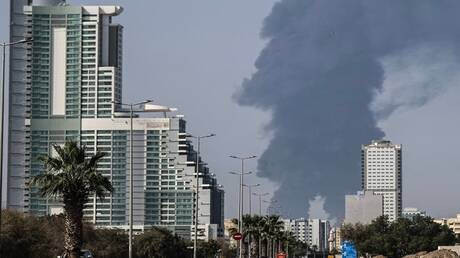
A Gulf official reported that aluminum facilities in the Gulf Cooperation Council (GCC) states will have to rely on available stocks and alternative production lines due to Iran's targeting of production lines. This decision comes at a sensitive time as Gulf countries strive to maintain stability in the aluminum market amid increasing tensions in the region.
Concerns are growing about the impact of these attacks on local production, which could lead to supply shortages and affect global prices. The aluminum industry is one of the vital sectors in the Gulf states, playing an important role in the national economy and providing job opportunities.
Details of the Incident
Iran recently targeted production lines in several industrial facilities, resulting in the destruction of part of the production capacity. Officials indicated that this targeting aims to destabilize the region and reflects an escalation in tensions between Iran and Gulf states. In this context, attention is turning to how Gulf countries will respond to this challenge.
The GCC states are among the largest aluminum producers in the world, with this industry significantly contributing to the gross domestic product. However, Iranian attacks could lead to reduced production, necessitating swift action to ensure that local and international demand is met.
Background & Context
Historically, the region has witnessed ongoing tensions between Iran and Gulf states, as these countries compete for influence in the area. These tensions have led to military and economic escalations, affecting regional stability. The aluminum industry, which heavily relies on political stability, now faces new challenges due to these circumstances.
In recent years, Gulf states have invested heavily in developing the aluminum industry, making it one of the cornerstones of their economies. However, ongoing threats from Iran may lead to a reassessment of production and distribution strategies.
Impact & Consequences
These developments could lead to price increases in the regional market, affecting both consumers and businesses. Additionally, reliance on stocks may have negative effects on productivity, as companies may struggle to meet rising demand.
Moreover, these events could prompt a reevaluation of trade relations between Gulf states and Iran, potentially adversely affecting joint investments. If tensions persist, supply chains may be further impacted, complicating the economic situation in the region.
Regional Significance
These events serve as a wake-up call for other Arab countries, as they may affect the stability of regional markets. In light of current tensions, some countries may seek to enhance their local production capacities to reduce reliance on imports.
Furthermore, these developments may lead to increased cooperation among Gulf states in the field of economic security, strengthening their ability to face future challenges. Ultimately, the current situation requires a swift and effective response from Gulf countries to ensure market stability and protect their economic interests.