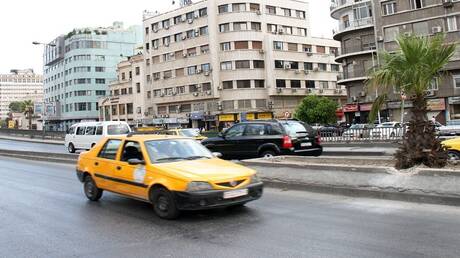
The Syrian capital, Damascus, witnessed a massive protest by public taxi drivers who gathered in one of the main squares to voice their dissatisfaction with the chaos plaguing transport services. The drivers pointed out that the situation has worsened due to rising competition from private vehicles and motorcycles, adversely affecting their income and means of living.
These protests come at a time when the transport sector in Syria faces significant challenges, with an increase in the number of unlicensed vehicles operating in passenger transport, leading to widespread disorder in this vital sector. The drivers emphasized that this unfair competition threatens their financial stability and exacerbates their daily struggles.
Event Details
During the protest, drivers held banners demanding immediate government intervention to put an end to the chaos affecting the transport sector. They also called for the regulation of this sector to ensure their rights and limit the spread of unlicensed vehicles. The square saw significant interaction from passersby, with many citizens expressing solidarity with the drivers, emphasizing the importance of organizing transport in the city.
One driver, who preferred to remain anonymous, stated, "We work hard to provide for our families, but the chaos we are witnessing makes it difficult for us to continue. We urge the government to intervene to protect our rights." Another added, "We want a fair system that allows us to work without fear of illegal competition."
Background & Context
Damascus is considered one of the most congested cities in the world, where residents face significant transport and mobility issues. These problems have intensified in recent years due to the economic and political crises the country is experiencing. With the growing population, it has become essential to find effective solutions to regulate the transport sector.
The Syrian government has previously attempted to organize this sector, but these efforts have not achieved the desired success. The apparent lack of effective oversight on unlicensed vehicles has contributed to the chaos, necessitating urgent measures to protect the rights of both drivers and citizens alike.
Impact & Consequences
Estimates suggest that the continued chaos in the transport sector could exacerbate economic and social crises in the country. As the number of unlicensed vehicles increases, licensed drivers face mounting financial pressures, which could lead to higher unemployment rates and a decline in living standards.
Moreover, these protests may open the door for further discussions on the necessity of reforming the transport sector in Syria, potentially contributing to an overall improvement in the economic situation. These movements could motivate the government to take serious steps to regulate this vital sector.
Regional Significance
The issues of transport and chaos in this sector are common challenges faced by many Arab countries. With the increasing population and deteriorating infrastructure, the need for transport regulation has become urgent. What is happening in Damascus could serve as a model for what might occur in other Arab cities facing similar problems.
Therefore, the success of the drivers in achieving their demands may encourage others in different Arab countries to take similar steps, reflecting the importance of transport regulation as part of improving citizens' living conditions.
In conclusion, there is hope that these protests will lead to positive changes in the transport sector in Damascus, enabling drivers to reclaim their rights and improve their working conditions.