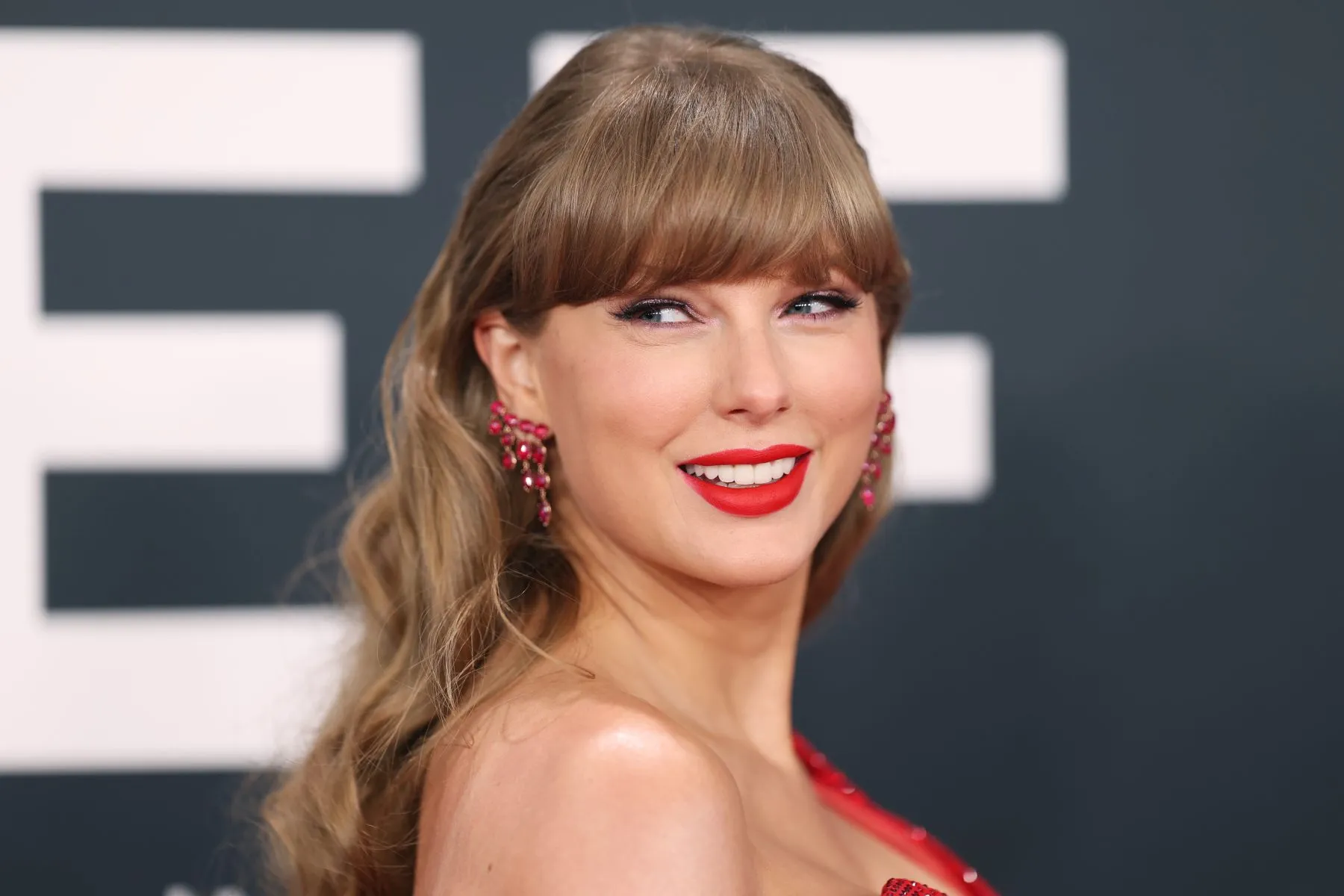
In a proactive step to safeguard her artistic rights, renowned American artist Taylor Swift has filed three new trademark applications. These applications aim to address the rising threats posed by artificial intelligence to her creative works, as the use of these technologies in the music world continues to grow.
The new applications pertain to trademarks that encompass clothing and music, as Swift seeks to secure her rights against unauthorized use of her creations. Experts have noted that this move reflects a growing awareness among artists regarding the importance of protecting their creations in the age of modern technology.
Details of the Trademark Applications
Taylor Swift is considered one of the most prominent artists globally, and the applications have been submitted to the United States Patent and Trademark Office. The new trademarks cover a range of products that may include clothing and accessories. This step comes amid increasing concern among artists about how artificial intelligence is being used with their musical works, raising questions about intellectual property rights.
Swift is among the few artists who openly discuss the impact of artificial intelligence on the music industry. She has previously expressed her concerns about the possibility of AI being used to create music similar to her works without permission, which could negatively affect her artistic career.
Background & Context
The music industry has undergone significant transformations with the advent of technology, and as artificial intelligence advances, companies can produce new music quickly and easily, potentially eroding artists' rights. In recent years, numerous applications have emerged that utilize AI to create new music, sparking debates over intellectual property rights.
As artists navigate this new landscape, the implications of AI's role in music creation become increasingly complex. Swift's actions highlight the urgent need for a dialogue about how to protect artists in an era where technology can replicate their work.
Impact & Consequences
Swift's move serves as a call to action for other artists to take similar measures to protect their rights. With the increasing use of artificial intelligence, failing to act could result in artists losing their rights to their works. This issue also raises broader discussions about how to regulate the use of AI in the music industry.
As more artists become aware of the potential threats posed by AI, it is likely that we will see a surge in similar trademark applications and legal actions aimed at safeguarding creative rights.
Regional Significance
This step by Swift underscores the importance of protecting artists' rights in an era of advanced technology and opens the door for discussions on regulating the use of artificial intelligence. The implications of her actions could resonate beyond the United States, influencing artists and legal frameworks worldwide.
In conclusion, as the music industry continues to evolve with technology, artists like Taylor Swift are taking proactive steps to ensure their rights are protected, setting a precedent for others to follow.