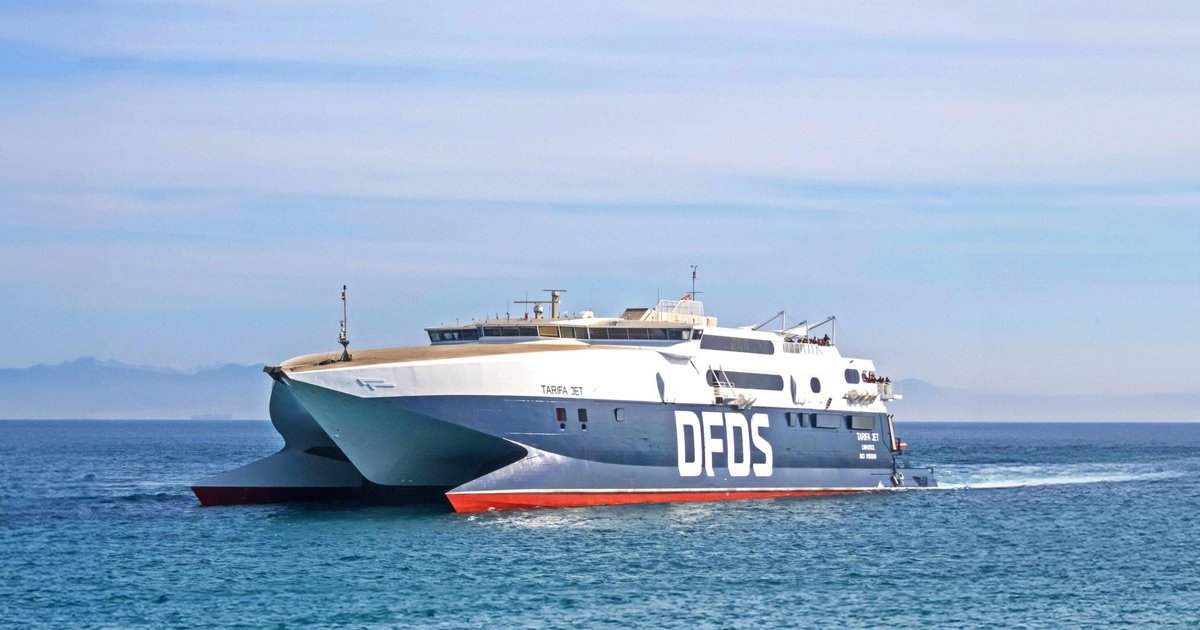
A technical failure on a maritime vessel has delayed a group of travelers from the city of Makassar to Jakarta, resulting in them waiting for an extended period at Tanjung Priok Port. The travelers, including Imran, were scheduled to depart at 2 AM, but the engine failure prevented the ship from arriving on time.
Imran, who works in Pangkal Pinang, expressed his dissatisfaction with the situation, stating that he and his family intended to return to their hometown after years of working abroad. "This is the first time I have faced such a delay," added Imran, noting that his family is accustomed to traveling by sea every year.
Details of the Incident
According to reports from Tanjung Priok Port, Imran and his family were expected to board the ship heading to Surabaya and then to Makassar, but they had to wait until April 3, 2026, due to the malfunction. They began their journey on March 26, meaning they spent over two days waiting for the new ship.
Data from the Port Authority indicates that the number of travelers departing from the port saw an increase of 183.77% compared to last year, with 647 travelers leaving, while the number last year was only 228. However, the number of travelers arriving at the port decreased by 73.45%, with the count at 338 compared to 1,273 the previous year.
Background & Context
Maritime travel is a popular means of transportation in Indonesia, as many prefer it due to its lower cost compared to air travel. However, these journeys face numerous challenges, including technical failures and adverse weather conditions, which affect travel schedules.
Historically, Indonesia has witnessed several incidents related to ships, prompting the government to enhance safety standards in maritime transport. Nonetheless, there remains an urgent need to improve infrastructure and provide better services for travelers.
Impact & Consequences
Such incidents can lead to a loss of confidence in maritime transport services, potentially driving travelers to seek alternative options, such as air travel. Additionally, long delays may disrupt family travel plans, causing frustration and anxiety.
Moreover, the increase in the number of travelers during holiday periods means greater pressure on ports, necessitating improvements in traffic management and logistical planning. Authorities must take effective steps to ensure that such incidents do not recur.
Regional Significance
Although the incident occurred in Indonesia, it highlights the importance of improving transportation services worldwide. In the Arab region, many countries face similar challenges in transportation, whether by sea or air. The lessons learned from this incident could be beneficial for Arab countries in enhancing transportation services and avoiding future issues.
In conclusion, the relevant authorities in Indonesia and Arab countries must work on improving transportation services and providing better travel experiences for travelers to ensure their safety and comfort.