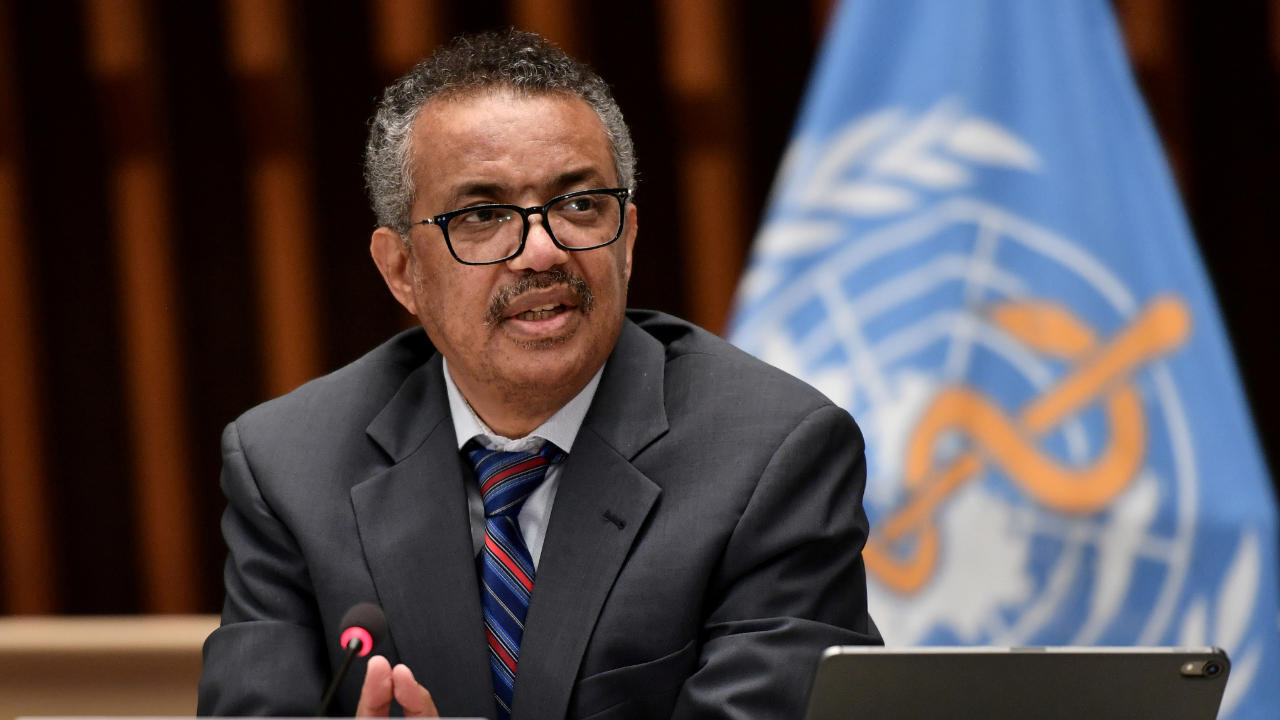
Tedros Adhanom Ghebreyesus, the Director-General of the World Health Organization, stated that the Ebola outbreak in the Democratic Republic of Congo, which has claimed the lives of more than 200 individuals, can be stopped. This announcement came as he arrived in the capital Kinshasa on Thursday to oversee efforts to combat this highly contagious disease.
Tedros traveled to Ituri Province, the epicenter of the outbreak, emphasizing the importance of cooperation among all stakeholders. He noted that the WHO does not support imposing travel restrictions as a means to combat the outbreak, asserting that collaboration is the best way to overcome this health crisis.
Event Details
According to the latest statistics from the World Health Organization, there have been 10 confirmed deaths and 223 suspected fatalities since the outbreak began in mid-May. The organization warned that the actual spread of the epidemic could be much wider than what has been recorded. This outbreak marks the seventeenth occurrence of Ebola in the Democratic Republic of Congo, which has a population of over 100 million people.
The virus is currently spreading across three provinces, with a concentration in Ituri, a resource-rich area that increases daily population movement. However, ongoing conflicts between local militias hinder access to some affected regions.
Background & Context
The Ebola virus has spread from Ituri to North Kivu and South Kivu, where the M23 armed group has controlled vast areas since 2021. The region has witnessed a surge in conflicts over the past year and a half, complicating efforts to combat the virus.
Tedros called on all warring parties to cease fighting, pointing out that conflict and displacement make it more challenging to address the outbreak. He made a direct appeal to the combatants to declare a ceasefire, emphasizing that no cause justifies the loss of innocent lives due to a preventable disease.
Impact & Consequences
Currently, there is no vaccine or effective treatment for the Bundibugyo strain of Ebola spreading in Congo. However, health authorities anticipate that a vaccine for this strain will be ready by the end of the year. Jean Kaseya, head of the African Centers for Disease Control and Prevention, confirmed that technical and strategic investments are underway to ensure vaccine availability.
In related developments, the World Health Organization received 4.6 tons of aid at Bunia Airport, while UNICEF announced the dispatch of 100 tons of assistance to the country. Uganda has also closed its borders with Congo following the confirmation of one death.
Regional Significance
The Ebola crisis in Congo highlights the health challenges facing African nations, which could impact regional and international health security. Given the current challenges, Arab countries must enhance their cooperation with international organizations to combat epidemics.
In conclusion, the ongoing Ebola outbreak in Congo underscores the urgent need for international collaboration in public health. An effective and swift response can save lives and limit the virus's spread in the region.