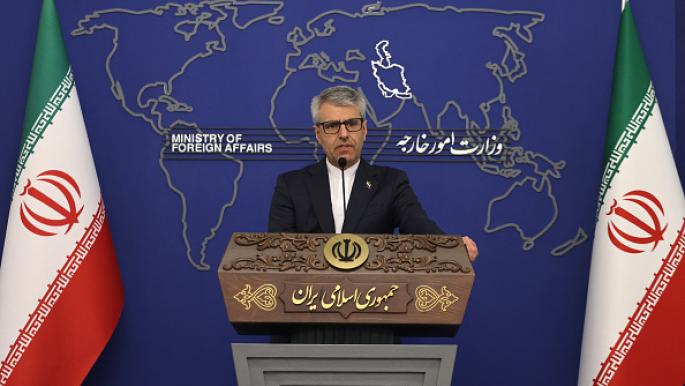
The spokesperson for the Iranian Foreign Ministry reported today, Monday, that Tehran has strong suspicions regarding the intentions of the United States during the rescue operation of the American pilot. He explained that this operation could serve as a "deceptive operation" aimed at stealing Iranian uranium.
These statements come at a sensitive time when relations between Iran and the United States are increasingly strained. Iran believes it has legitimate rights to develop its nuclear program, while Washington continues to impose sanctions on it. These remarks have raised questions about U.S. intentions in the region.
Details of the Incident
In this context, the Iranian spokesperson clarified that Tehran is closely monitoring any movements that may indicate attempts by Washington to destabilize the Iranian nuclear program. He also pointed out that Iran will not hesitate to take necessary measures to protect its natural resources, including uranium.
Iran considers its nuclear program peaceful and aimed at meeting its energy needs, while Western countries accuse it of seeking to develop nuclear weapons. These recent statements reflect Iran's growing concern over any external intervention that may threaten its national security.
Background & Context
Historically, Iranian-American relations have seen increasing tensions since the Islamic Revolution in 1979. Since then, the United States has imposed strict economic sanctions on Iran, significantly impacting its economy. In recent years, fears have increased that Iran may seek to develop military nuclear capabilities, leading to further international pressure.
In 2015, a nuclear agreement was reached between Iran and the P5+1 group, which involved easing sanctions in exchange for scaling back Iran's nuclear program. However, the United States withdrew from the agreement in 2018, leading to a resurgence of tensions.
Impact & Consequences
If Iran's suspicions are proven correct, this could lead to greater escalation in tensions between Tehran and Washington, potentially affecting regional stability. It may also provoke reactions from other countries in the region, which might feel concerned about any potential military escalation.
These statements also serve as a warning to Western countries about the consequences of intervening in Iranian affairs, as Tehran may be prepared to take serious steps to protect its interests. This could negatively impact diplomatic efforts aimed at resolving conflicts in the region.
Regional Significance
Arab countries are directly affected by the tensions between Iran and the United States, as any escalation could lead to negative repercussions on regional security. Gulf countries, for instance, could find themselves in a precarious position if the situation escalates into military conflict.
Additionally, these events may impact oil prices and financial markets in the region, reflecting on Arab economies that heavily rely on oil exports. Therefore, monitoring these developments is vital for Arab nations.
In conclusion, the situation in the Middle East remains complex, with international and regional interests intertwining. The recent Iranian statements reflect concerns over any external attempts that may affect its national security, necessitating careful monitoring by the international community.