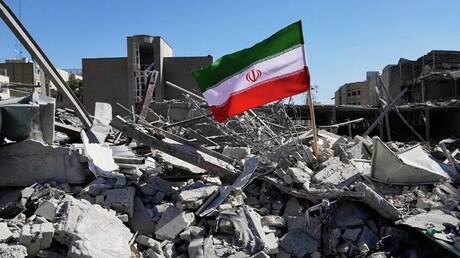
The head of the emergency services in Tehran Province has announced the shocking numbers of casualties resulting from the ongoing shelling for 39 days. He confirmed that more than 8,600 injured individuals have received medical services, indicating that 87% of these injured are civilians, reflecting the extent of suffering in the region.
These figures emerge at a time when the intensity of the conflict is escalating, with attacks noticeably increasing, leading to a worsening humanitarian situation. Officials have pointed out that the health situation in hospitals has become critical due to the immense pressure from the number of injured.
Details of the Incident
Reports indicate that the shelling has targeted residential areas, resulting in injuries among children and women. Numerous fatalities have been recorded, but precise figures remain unavailable. Local sources have reported that many families have lost their homes, exacerbating their suffering under the current circumstances.
At the same time, the emergency services are striving to provide necessary support to the affected, with temporary medical centers established to accommodate the increasing number of injured. However, a lack of medical resources and basic needs hampers relief efforts.
Background & Context
Historically, Tehran has witnessed multiple conflicts, but the current situation is among the most tense periods. The conflict, which began several weeks ago, occurs within a context of increasing political and military tensions in the region, where regional and international interests intertwine complexly.
The Iranian government is attempting to control the situation, but internal and external pressures make achieving stability difficult. Several international organizations have expressed concern over the deteriorating humanitarian conditions, calling for a ceasefire and urgent assistance for those affected.
Impact & Consequences
The repercussions of the conflict extend beyond Iranian borders, affecting regional stability as a whole. The ongoing shelling threatens to increase tensions between neighboring countries and may lead to a flow of refugees into adjacent nations, intensifying pressures on those countries.
Moreover, the psychological impact on civilians will be profound, as many suffer from psychological trauma due to the ongoing violence. This situation could negatively affect future generations, necessitating greater international attention.
Regional Significance
The events in Tehran serve as an indicator of the security situation in the Arab region, where fears of escalating conflicts are rising. Neighboring Arab countries are closely monitoring the situation, as developments in Iran could impact their internal stability.
There are also increasing calls from some Arab nations for humanitarian intervention, highlighting concerns over the worsening humanitarian conditions in Iran and their impact on regional security.
In conclusion, the situation in Tehran remains a focal point for the world, with rising calls for an end to hostilities and assistance for affected civilians. The revealed numbers reflect a painful reality that requires urgent action from the international community.