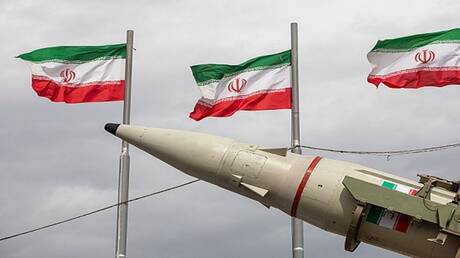
According to the official Iranian news agency 'IRNA', Tehran has laid out specific conditions for agreeing to a ceasefire with the United States and Israel. This move comes at a sensitive time as the region witnesses escalating military actions, raising concerns about its implications for regional security.
The conditions set by Tehran include the necessity of respecting its sovereignty and refraining from interference in its internal affairs, along with guarantees from the involved parties against the resumption of hostilities. These stipulations arise amidst growing international calls for calming the situation, as mediators aim to propose a truce lasting 45 days.
Details of the Situation
Through these conditions, Tehran seeks to assert its strong position in the face of military and political pressures. This step may also reflect its desire to find a way out of the current crisis, which has led to heightened tensions in the region. Concurrently, the proposed truce by mediators showcases the international community's efforts to mitigate escalation.
Concerns are mounting that the continuation of the conflict could exacerbate humanitarian conditions, especially in areas affected by the strife. Several countries have expressed their willingness to mediate in this matter, highlighting the issue's significance on the international stage.
Context and Background
Historically, relations between Iran, the United States, and Israel have been marked by increasing tensions, particularly following the U.S. withdrawal from the Iranian nuclear deal in 2018. Since then, hostilities between the parties have escalated, worsening the situation in the region.
These conditions set by Tehran are part of its strategy to cope with external pressures, as it aims to bolster its position in international forums. This move comes at a critical time, with rising calls for de-escalation from the international community.
Consequences and Implications
The conditions outlined by Tehran may complicate mediation efforts, as any acceptance or rejection of these terms could significantly influence the negotiation process. Should the involved parties respond positively to these conditions, it could lead to a reduction in tensions; however, failure to comply may result in a resurgence of hostilities.
Moreover, the ongoing conflict could adversely affect the economic conditions in the region, further increasing civilian suffering. Therefore, reaching an agreement for a ceasefire is considered a vital step towards maintaining regional stability.
Impact on the Arab Region
Developments in Iranian-American-Israeli relations have a direct impact on the situations in Arab countries. The escalating tensions could destabilize neighboring nations, negatively affecting security and economic conditions.
Additionally, any escalation in the conflict may lead to an influx of refugees and increased burdens on host countries, necessitating an urgent response from the international community. Thus, achieving a truce is essential for preserving security and stability in the region.
In conclusion, the situation in the region remains tense, and the conditions set by Tehran represent a significant step in the context of de-escalation efforts. The involved parties must work diligently to find peaceful solutions that ensure stability and security for all.