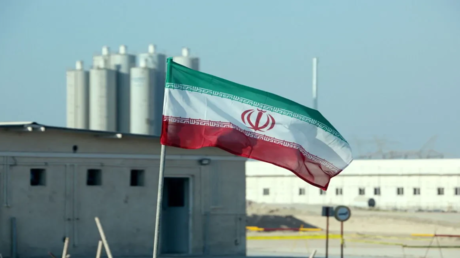
Tehran announced today that it has not yet finalized the identity of its chief negotiator for the upcoming talks scheduled for Friday. Intensive consultations are underway among the country's leaders to determine the negotiating team.
These statements come at a sensitive time as Iran seeks to strengthen its position in the anticipated negotiations, which may address strategic issues related to regional and international relations. The delay in identifying the head of the delegation reflects the importance of the internal consultations taking place in Tehran.
Details of the Event
Iran is preparing to participate in important negotiations in Islamabad, where these talks represent an opportunity to enhance relations with neighboring countries. Although the identity of the head of the delegation has not yet been determined, Iranian officials emphasize that significant efforts are being made to form a strong team representing the country.
The scheduled talks will cover a range of issues of regional interest, including regional security and economic cooperation. Official spokespeople have indicated that Iran hopes to achieve positive outcomes from these negotiations.
Background & Context
These negotiations come as part of Iran's efforts to bolster its relationships with its neighbors, especially amid ongoing tensions in the region. Iranian relations with some neighboring countries have experienced fluctuations in recent years, making these talks even more critical.
Historically, Iran has played a pivotal role in regional politics, and with increasing challenges, it seems that Tehran is seeking to rebuild bridges of cooperation with neighboring countries. These negotiations could be a step towards achieving greater stability in the region.
Impact & Consequences
If Iran succeeds in forming a strong delegation and reaching agreements during these negotiations, it could lead to improved relations with neighboring countries and enhance its regional standing. The potential outcomes may also affect the political balances in the region.
On the other hand, Iran may face challenges if tangible results are not achieved, which could lead to increased internal and external pressures. Therefore, the success of the negotiations will have significant implications for the future of Iranian relations with its neighbors.
Regional Significance
These negotiations are important for the Arab region, as any improvement in Iranian relations with neighboring countries could positively impact regional stability. Regional cooperation may also contribute to addressing common challenges, such as security and economic issues.
At the same time, Arab countries should closely monitor the outcomes of these negotiations, as any changes in Iranian policy could affect regional balances. Thus, positive interactions between Iran and its neighbors could have far-reaching effects on security and stability in the region.