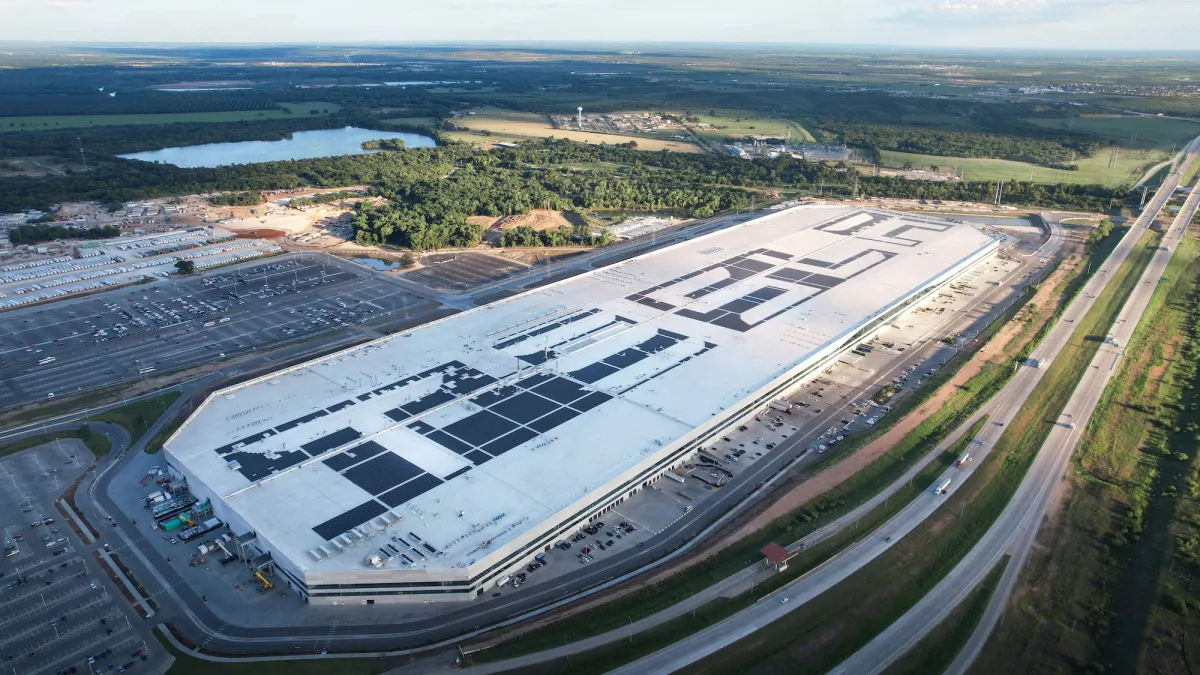
Reports indicate that Tesla, a leader in the electric vehicle industry, has reduced its workforce at its factory in Texas by 22%, decreasing the number from 21,191 employees to 16,506 employees in 2025. This decision comes as the company faces ongoing challenges, including a decline in sales for the second consecutive year.
Reports suggest that Tesla is struggling to maintain the sales levels it achieved in previous years, prompting it to take austerity measures that include reducing its workforce. This move comes at a sensitive time for the company, which is striving to maintain its competitiveness in the growing electric vehicle market.
Details of the Situation
Tesla, founded by Elon Musk, has experienced significant growth in recent years, but is now facing new challenges. The decline in sales may be attributed to several factors, including increased competition from other companies in the electric vehicle sector, as well as changes in consumer preferences.
Although Tesla remains one of the leading companies in this field, the drop in sales could impact its future plans. The company had previously announced plans to expand its production, but these plans may be affected by the current challenges.
Background & Context
Tesla was founded in 2003 and has since become a symbol of innovation in the automotive industry. The company has achieved significant successes in recent years, being at the forefront of the shift towards electric vehicles. However, the market is now witnessing the entry of many new companies, increasing the pressure on Tesla to maintain its market share.
The United States is one of the largest automotive markets in the world, and with the rising demand for electric vehicles, Tesla faces new challenges related to production and distribution. Additionally, changes in government policies concerning the environment and energy may also affect the company's performance.
Impact & Consequences
The reduction in Tesla's workforce could have wide-ranging effects on the local economy in Texas, where many individuals and their families rely on their jobs at the company. This decision may also impact Tesla's image as one of the largest employers in the technology sector.
Moreover, the decline in sales could affect the company's future investments, potentially leading to a scaling back of expansion and production plans. If these trends continue, Tesla may find itself in a difficult position that requires a reassessment of its strategies.
Regional Significance
The electric vehicle industry is a promising field in the Arab region, where many countries are striving to promote the use of clean energy. Tesla's decline may open the door for other companies to enter the market, potentially leading to increased competition.
There is also a growing interest in the region to develop infrastructure for electric vehicles, which may contribute to enhancing the use of this technology. If Tesla continues to face challenges, local companies may benefit from this situation to expand their operations.
In conclusion, Tesla is facing significant challenges amid declining sales and workforce reductions. It will be important to monitor how the company responds to these challenges and how they will affect its future in the market.