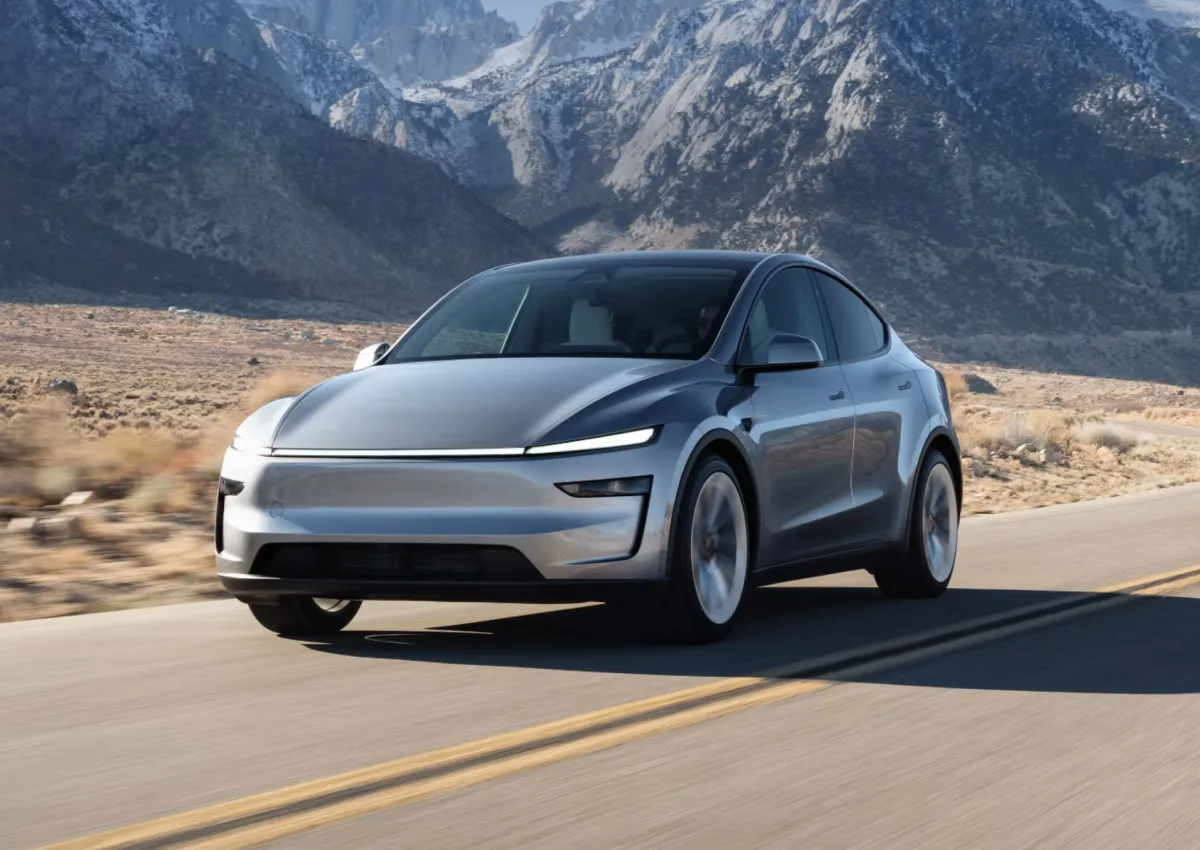
Tesla announced its financial results for the first quarter of the year, revealing that its deliveries increased by 6% compared to the same period last year. Despite this modest increase, the company faces significant challenges, as forecasts indicate it will suffer from declining sales for the third consecutive year.
Tesla, regarded as one of the leading companies in the electric vehicle industry, had launched a range of vehicles at lower prices in an attempt to attract more customers. However, it seems this strategy has not yielded the desired results, as sales continue to decline.
Event Details
In the first quarter of the year, Tesla managed to deliver approximately 422,875 vehicles, a figure that reflects a slight increase compared to last year. However, these numbers do not indicate the growth needed amid increasing competition in the electric vehicle market.
Tesla, founded by Elon Musk, was a pioneer in this field, but it now faces challenges from new companies and traditional competitors who have begun to enter the electric vehicle market. This growing competition significantly affects Tesla's ability to maintain its market share.
Background & Context
Tesla was founded in 2003 and has since become a symbol of innovation in the automotive industry. However, the company has experienced significant fluctuations in its financial performance. In recent years, Tesla has focused on expanding its production capacity and increasing its competitiveness, but global economic challenges such as rising raw material prices and increased shipping costs have negatively impacted its performance.
In past years, Tesla relied on the growing demand for electric vehicles, but changes in consumer behavior and market trends may lead to a decline in demand. The shift towards electric vehicles is no longer exclusive to Tesla, as companies like Ford and Mercedes have started offering competitive electric vehicles.
Impact & Consequences
The decline in Tesla's sales could have widespread implications for the market as a whole. If the company continues to struggle to achieve growth, it may lead to a reduction in its investments in research and development, which could affect innovation in the future.
Moreover, Tesla's decline may impact investor confidence in the electric vehicle market in general. If Tesla, considered a leader in this field, is facing difficulties, investors may hesitate to support new or emerging companies in this sector.
Regional Significance
Electric vehicles represent a significant opportunity for many Arab countries seeking to reduce carbon emissions and promote sustainability. With Tesla's decline, consumers in the region may turn to other options, opening the door for new companies to enter the market.
Additionally, Tesla's decline may affect the plans of some Arab countries aiming to attract investments in the electric vehicle sector. If these trends continue, governments may need to reevaluate their strategies to attract electric vehicle manufacturers.
In conclusion, Tesla remains one of the prominent companies in the electric vehicle industry, but the challenges it faces suggest that the market may be in a transitional phase. With increasing competition, it will be crucial to monitor how Tesla responds to these challenges and how it will affect the future of electric vehicles.