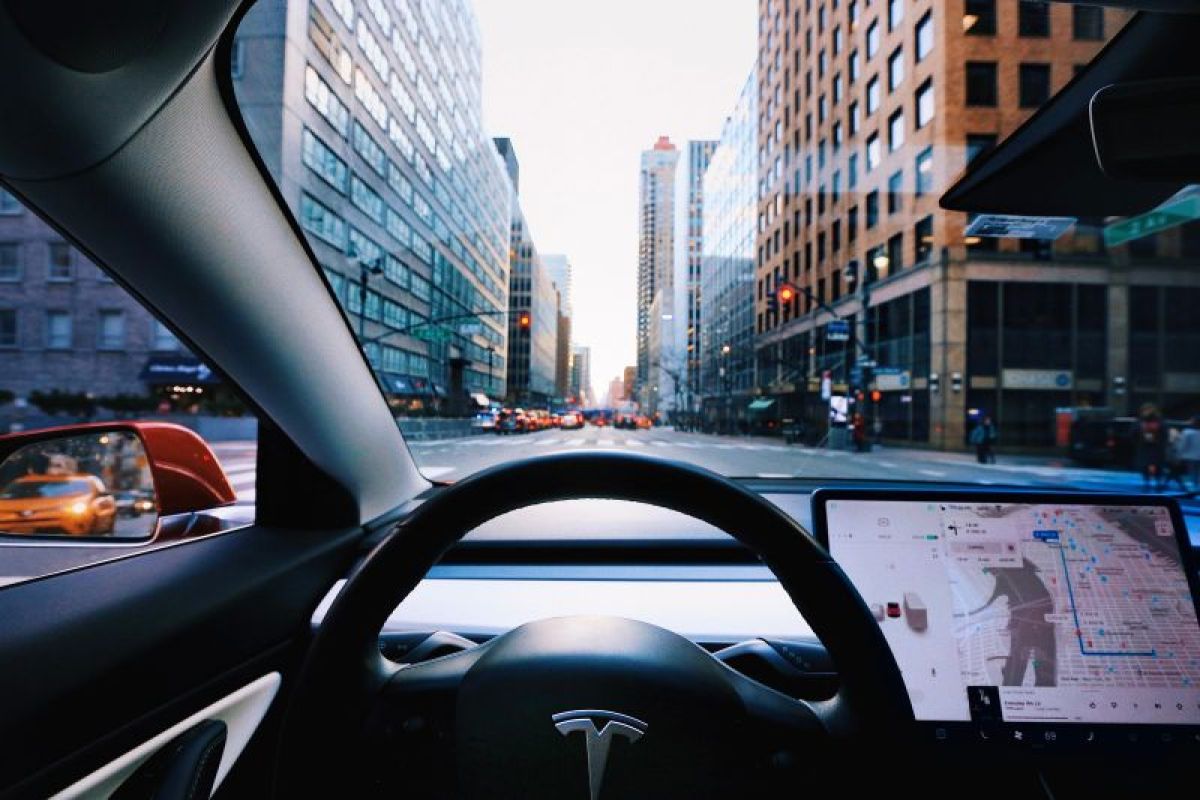
A representative from Euro NCAP, the European organization for vehicle safety assessment, stated that Tesla's Full Self-Driving (FSD) technology presents a major risk, highlighting that excessive reliance on this technology could result in dire consequences. This statement was made by Richard Schram, the technical director of the organization, during discussions with Australian and New Zealand media.
Schram explained that while the FSD technology is impressive, it does not currently meet the required safety standards. He emphasized that Tesla must take full responsibility for any accidents that may occur as a result of using this technology, noting that the name of the technology might mislead drivers regarding the level of safety it provides.
Details of the Technology
The FSD technology allows Tesla Model 3 and Model Y vehicles to handle complex driving situations such as navigating urban streets, stopping at traffic lights, and parking, thanks to the use of cameras and rapid processing techniques. However, this technology continues to face legal challenges in many countries, including Australia, where drivers are required to keep their hands on the steering wheel.
Warnings displayed on the vehicle's screen indicate that the driver must remain alert, but these rules are not always enforced unless the system detects that the driver is distracted. Additionally, this technology has not yet been approved in Europe due to concerns related to stricter regulations and safety standards.
Context and Background
Tesla is considered a leader in electric vehicles and self-driving technology, having achieved significant success in recent years. However, issues related to safety and performance have sparked widespread debate. In 2021, Tesla faced accusations of being responsible for accidents involving its self-driving system, increasing pressure on the company to enhance its safety standards.
Euro NCAP aims to improve safety assessment standards for self-driving cars, planning to begin evaluating the effectiveness of driver monitoring systems in 2026, reflecting the importance of interaction between the driver and the system. There are also plans to develop stricter standards by 2029 regarding how safety systems respond in emergency situations.
Implications and Effects
Schram's statements indicate the need to reassess how self-driving technologies are marketed. While companies like Tesla strive to offer innovative technologies, there must be clear standards regarding legal responsibility. The lack of clarity in these standards could exacerbate accidents, putting the lives of drivers and passengers at risk.
The legal and regulatory challenges facing Tesla require greater transparency in how self-driving systems operate. Companies must be accountable for ensuring the safety of their users, which necessitates the development of safer and more reliable technologies.
Impact on the Arab Region
As many Arab countries move towards adopting electric vehicle technologies, safety issues may affect how these technologies are embraced in the region. Arab governments must consider global experiences and develop clear regulations to ensure the safety of drivers and users.
The introduction of self-driving technologies in Arab markets should be approached cautiously, with a focus on raising awareness about the risks of over-reliance on these systems. Educational programs for drivers on how to use these technologies safely should be implemented.