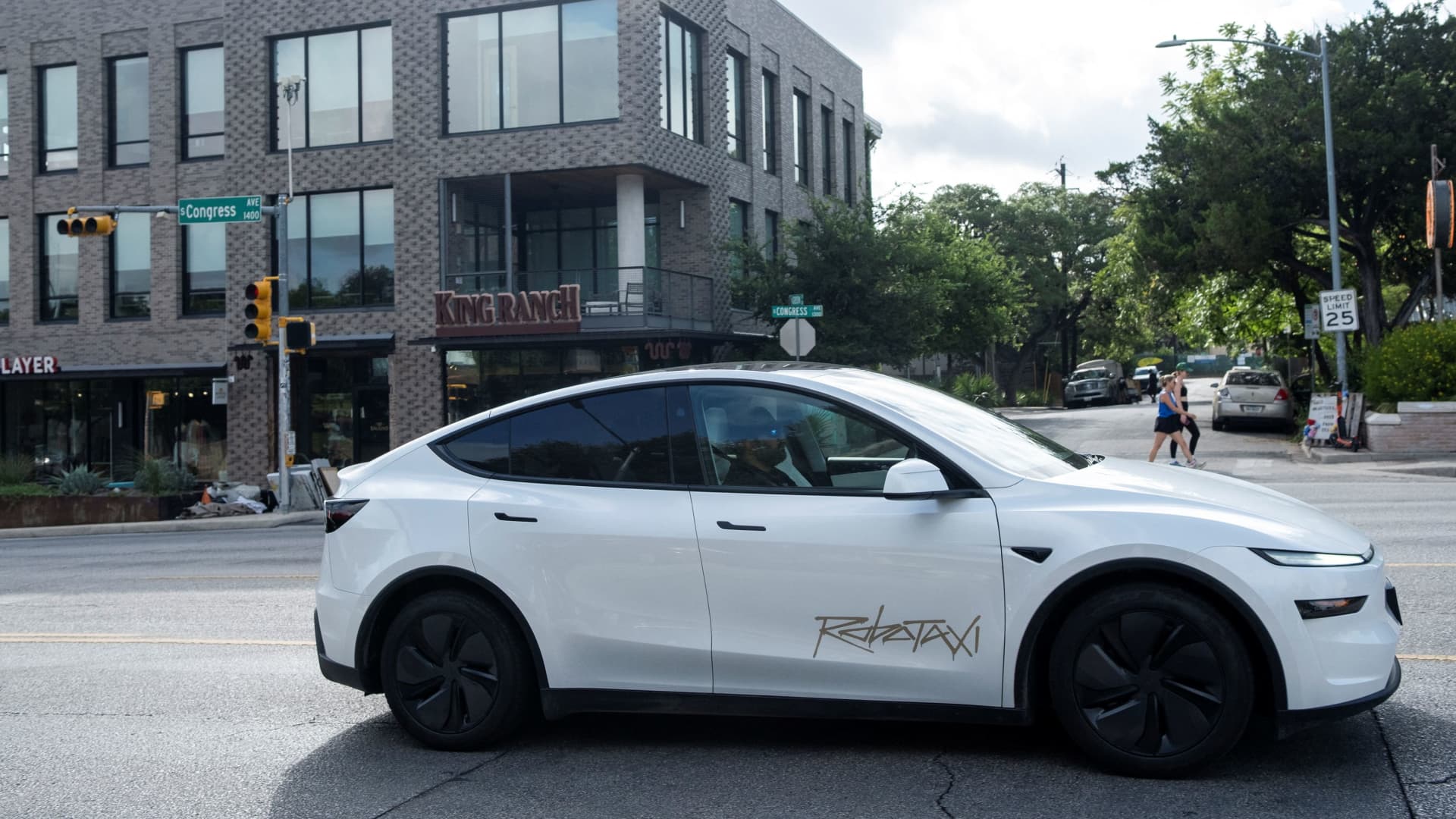
Tesla has announced the registration of 42 self-driving cars for its robotaxi service in Texas, which is far fewer than Waymo's fleet of 577 robotic vehicles licensed in the same state. This significant gap reflects the challenges Tesla is encountering in the autonomous vehicle sector, particularly as competition intensifies in the market.
Tesla, which began operating its robotaxi service in Texas in June 2025, has not disclosed details on how any of its vehicles have been certified as Level 4 autonomous vehicles, as required by the new law that grants Texas greater authority over autonomous vehicle operators. This law mandates that operators prove their vehicles meet the necessary safety and insurance standards.
Event Details
Tesla faces considerable challenges in Texas, where its fleet not only falls short of Waymo's but also lags behind smaller companies like AV Ride, which has 317 licensed self-driving cars. Additionally, Amazon's subsidiary Zoox has only 35 vehicles. This increasing competition places Tesla in a difficult position, especially with the rising demand for autonomous transportation services.
Between July 2025 and April 2026, Tesla recorded 17 known incidents involving its fleet in Austin, two of which resulted in minor injuries, raising concerns about the safety of the service provided. The incidents occurred while human supervisors were present in the vehicles, further increasing worries about the effectiveness of the autonomous systems.
Background & Context
Tesla is not the only company seeking to expand its services in the autonomous vehicle sector, as Waymo, a subsidiary of Alphabet, has launched its commercial fleet comprising nearly 4,000 vehicles across the United States. This rapid expansion positions Waymo ahead in the market, increasing pressure on Tesla to accelerate the development of its technologies.
The new laws in Texas reflect a global trend toward regulating the use of autonomous vehicles, with many countries striving to adopt this technology safely and effectively. However, Tesla is facing challenges in proving that its vehicles meet the required standards, as the company has reported that most of its cars rely on Level 2 driver assistance systems.
Impact & Consequences
Tesla aims to enhance its growth by relying on self-driving cars, but the current challenges may negatively impact its strategy. With increasing competition, Tesla needs to improve its technologies and expand its fleet more rapidly to meet the growing market demands.
If Tesla continues to lag behind Waymo and other companies, it risks losing market share, which could affect its standing in the electric vehicle industry. This situation requires Tesla to reassess its strategies and offer innovative solutions to maintain its competitiveness.
Regional Significance
With the growing interest in modern technology in the Arab region, Tesla's experience in Texas could serve as an important lesson for Arab countries looking to adopt autonomous transportation technologies. Investment in infrastructure and appropriate regulations will be vital for developing this sector in the Arab world.
In light of the global trend toward electric and autonomous vehicles, Arab countries can benefit from international experiences to accelerate the development of this sector, thereby enhancing economic development opportunities.