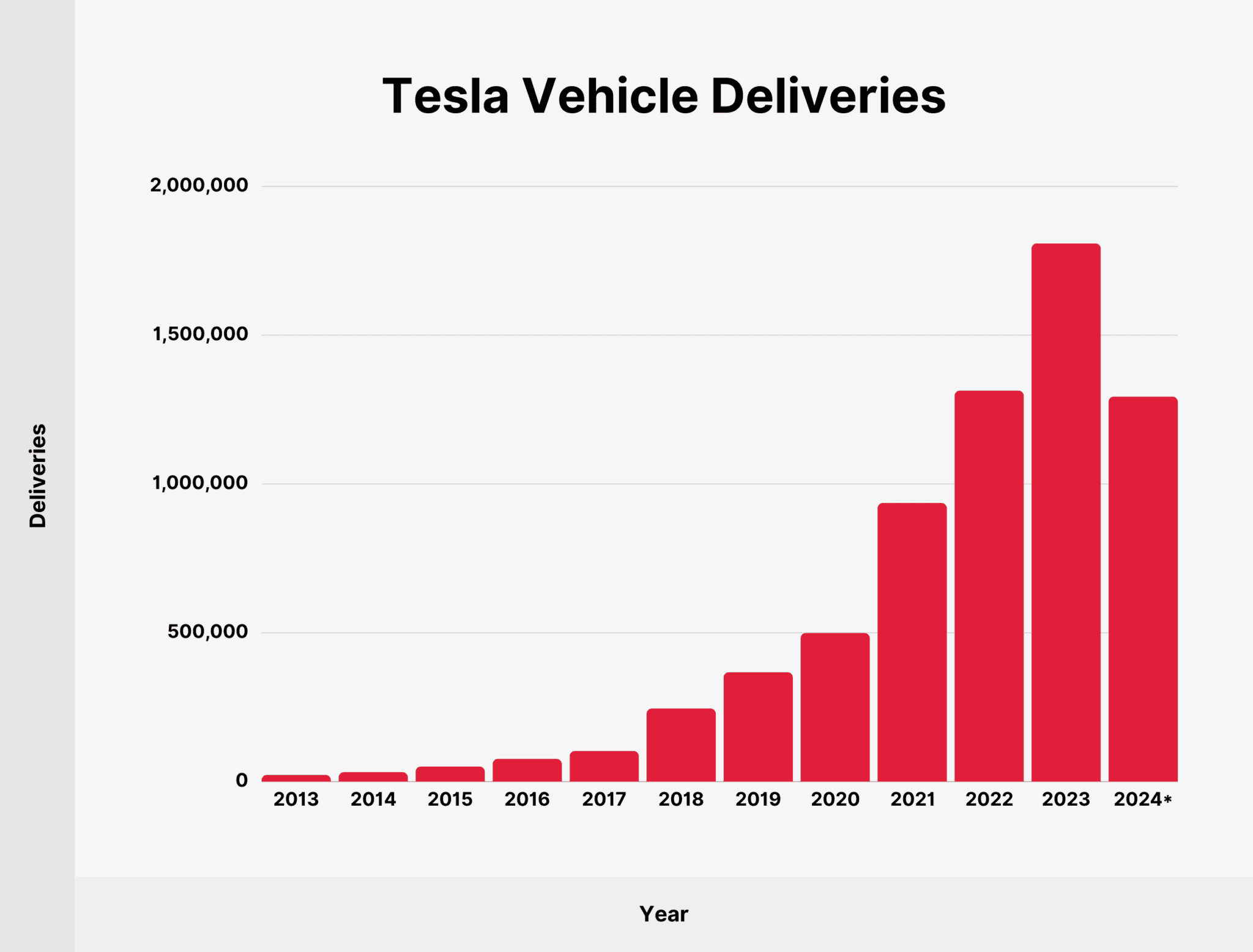
Tesla, the American electric vehicle manufacturer, has released its report on vehicle deliveries and production for the first quarter of 2026, revealing that the company delivered 358,000 vehicles, which represents a 14% decline compared to the previous quarter. However, Tesla saw a slight growth of 6% compared to the same period last year.
Analysts had predicted deliveries would reach 370,000 vehicles, while the company's estimates indicated an expected figure of 365,645 vehicles. In the first quarter of 2025, Tesla recorded deliveries of 336,681 vehicles, reflecting a slight improvement in performance.
Details of the Event
Tesla's vehicles are among the most popular in the market, with the Model 3 and Model Y accounting for approximately 341,893 of total deliveries in the first quarter. Nevertheless, Tesla faces significant challenges in the market, having experienced a decline in deliveries over the past two years.
In January, Tesla announced the cessation of production for its flagship models, the Model S and Model X, as it will repurpose its production lines in Fremont, California, to manufacture Optimus robots. CEO Elon Musk indicated that demand for these models has ended, despite some remaining vehicles in inventory.
Background & Context
Founded in 2003, Tesla has become a leader in the electric vehicle industry. However, the company is facing increasing competition from Chinese manufacturers offering lower-priced models, negatively impacting Tesla's sales. Additionally, political and economic tensions, including Musk's financial support for former U.S. President Donald Trump, have contributed to the decline in the company's sales.
Tesla has also been affected by the expiration of federal incentives that were previously offered to new electric vehicle buyers, leading to a decrease in demand. Nevertheless, sales of used electric vehicles have seen a significant increase following rising tensions in the Middle East.
Impact & Consequences
During its upcoming earnings call for the first quarter, scheduled for April 22, Tesla is expected to focus on improving its profit margins and supply chains. The increase in competition may lead to changes in Tesla's marketing and production strategies.
Tesla is not alone in facing these challenges, as the overall U.S. electric vehicle market is experiencing similar pressures. These dynamics are expected to influence the future of the electric vehicle industry in the United States.
Regional Significance
The electric vehicle industry in the Arab region is in its early stages but is witnessing growing interest from governments and companies. As demand for electric vehicles increases, Arab countries may benefit from global experiences such as Tesla's. Additionally, political tensions in the Middle East could impact oil prices, potentially driving more consumers towards electric vehicles.
In conclusion, Tesla remains at the heart of the discussion regarding the future of electric vehicles, but the challenges it faces indicate that the road ahead may be fraught with obstacles.