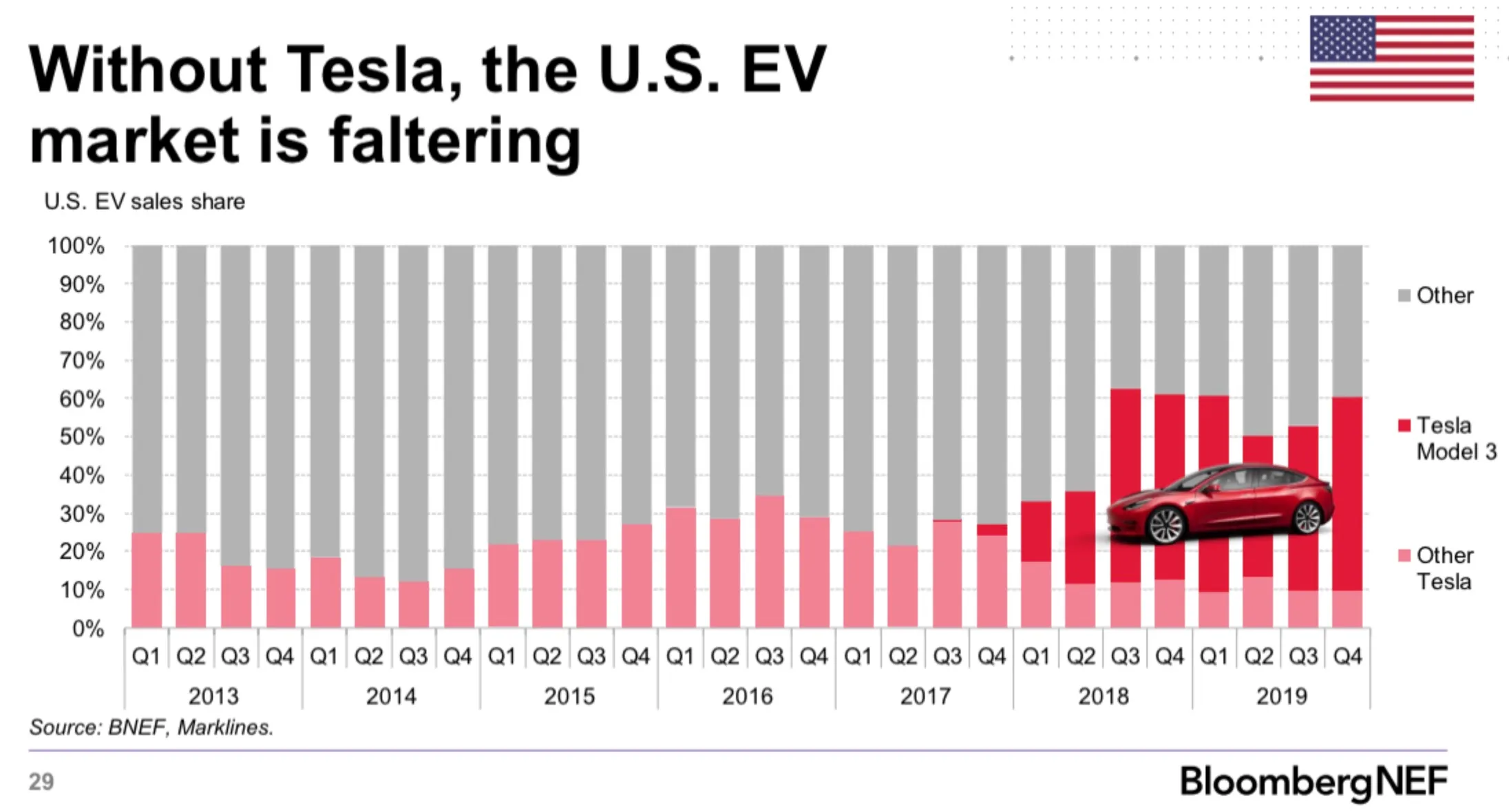
Tesla, the American electric vehicle manufacturer, has recorded one of its worst quarterly results in years, with reports indicating that its sales for the first quarter of 2023 were below analysts' expectations. This decline comes at a time when the company is experiencing mounting pressures in the electric vehicle market, which is witnessing intense competition from other companies.
As a leader in the electric vehicle sector, Tesla is facing multiple challenges, including rising production costs, as well as increased competition from both traditional and emerging companies. Under these circumstances, Tesla is striving to revitalize its sales through new marketing strategies and the introduction of innovative models.
Details of the Event
According to reports, Tesla's sales have decreased significantly compared to the same period last year, raising concerns among investors and analysts. Some estimates had predicted that the company would record higher sales, but the results have been disappointing. This drop in sales reflects the challenges Tesla faces in maintaining its market share amid a growing number of competitors.
Founded by Elon Musk, Tesla had achieved significant successes in previous years, but changes in the market and current economic challenges may greatly impact its future performance. The company is also struggling to meet the increasing demand for its vehicles, which adds to the pressures it faces.
Background & Context
Tesla was established in 2003 and quickly became one of the prominent companies in the electric vehicle industry. However, the market has undergone a notable transformation in recent years with the entry of many new companies into this field. Traditional companies like Ford and General Motors have begun developing electric models, intensifying the competition.
Additionally, changes in government policies related to the environment and renewable energy play a significant role in shaping the future of the electric vehicle industry. Many countries are striving to reduce carbon emissions, which boosts the demand for electric vehicles. Nevertheless, Tesla needs to adapt to these changes swiftly to maintain its market position.
Impact & Consequences
The decline in Tesla's sales could significantly affect the company's stock value and investor confidence. If these trends continue, Tesla may face difficulties in attracting the necessary investments to expand its operations and develop its technologies. This decline could also lead to a reduction in plans for expansion into new markets.
Moreover, Tesla's downturn may impact the electric vehicle market as a whole, as Tesla is one of the leading companies that set trends in this sector. If the company continues to face challenges, it could lead to a slowdown in overall market growth.
Regional Significance
As the Arab region experiences increasing interest in electric vehicles, Tesla's decline may affect the plans of many countries in this field. Some Arab nations are seeking to promote the use of electric vehicles as part of their sustainable development strategies.
If Tesla continues to face challenges, consumers in the region may turn to alternatives from competing companies, which could impact plans for transitioning to clean energy in the region.
In conclusion, Tesla remains one of the leading companies in the electric vehicle industry, but current challenges require it to reassess its strategies to ensure its continuity in the market.