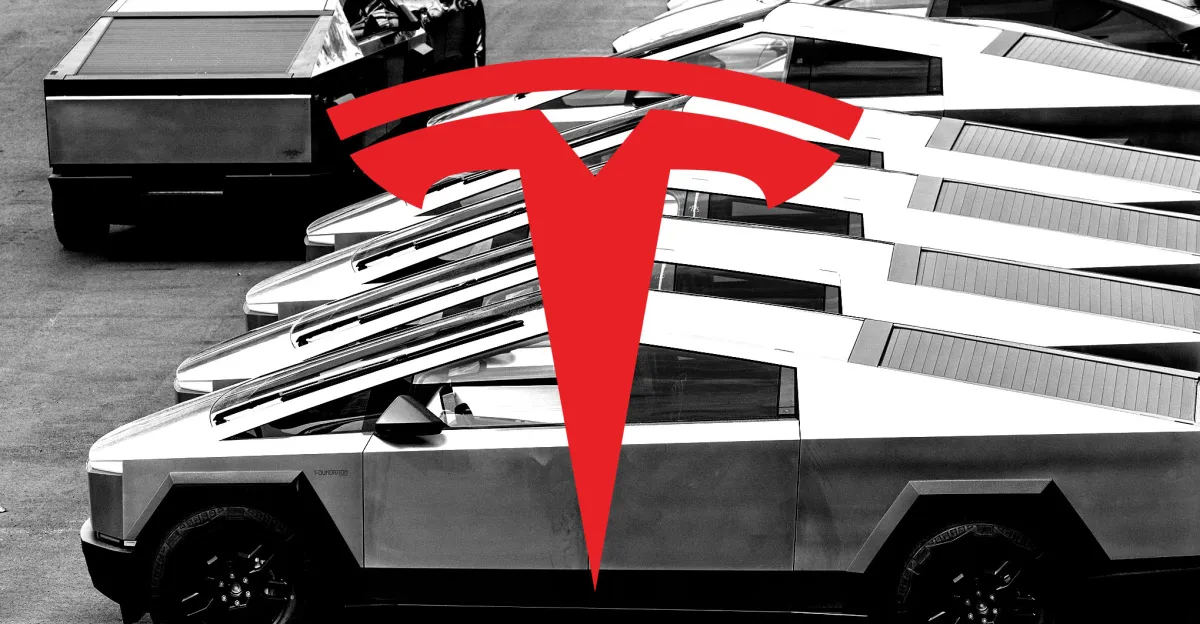
Tesla, the American electric vehicle manufacturer, has released its sales report for the first quarter of 2025, revealing a modest increase of 6% compared to the same period last year. However, this increase comes under exceptional circumstances, including controversial statements from its CEO, Elon Musk, making it difficult to view this as a positive sign.
The company confirmed that it delivered 358,023 vehicles during this quarter, representing a 14% decline compared to the fourth quarter of 2025. Additionally, the company's production decreased by 6%, with 408,306 vehicles produced, reflecting a continued downturn in performance.
Details of the Event
Tesla is facing significant challenges in the electric vehicle market, having recorded a decline in sales over two consecutive years. While Musk aims to transform the company from merely a car manufacturer to a provider of smart transportation services, competition from Chinese companies and other brands is intensifying, negatively impacting Tesla's market share in Europe.
Moreover, the cancellation of the federal tax credit of $7,500 for electric vehicles has adversely affected Tesla's sales, as many electric models have been canceled or postponed in recent weeks. Under these circumstances, it appears that Tesla is struggling to maintain its market position.
Background & Context
Founded in 2003, Tesla has become one of the leading companies in the electric vehicle sector. However, the success it achieved in previous years has begun to wane amid the emergence of new competitors and rising costs. In 2025, Tesla reported revenues of $94.8 billion, with vehicle sales accounting for 73% of this revenue.
Although Tesla's revenue from vehicle sales saw a 10% decline compared to last year, revenues from other sources, such as energy generation and storage, increased. Nevertheless, these revenues are still insufficient to offset the drop in vehicle sales.
Impact & Consequences
The figures indicate that Tesla continues to experience weak performance across all major categories, including vehicle sales, production, and energy storage. Customer delivery expectations were projected to reach 370,000 vehicles, while storage forecasts indicated 14.4 GWh, suggesting that Tesla has not met market expectations.
At the same time, Musk continues to assert that Tesla is on track to become a global leader in artificial intelligence and robotics, indicating a strategic shift in the company's vision. However, the question remains whether this vision will succeed in compensating for the decline in vehicle sales.
Regional Significance
Tesla is considered one of the leading companies in the electric vehicle market and has significantly impacted the automotive market in the Arab region. With growing interest in electric vehicles in Arab countries, the challenges facing Tesla could affect investment and expansion plans in this sector.
In conclusion, Tesla's future remains uncertain as the company faces major challenges in maintaining its position in the electric vehicle market amid increasing competition and changes in government policies.