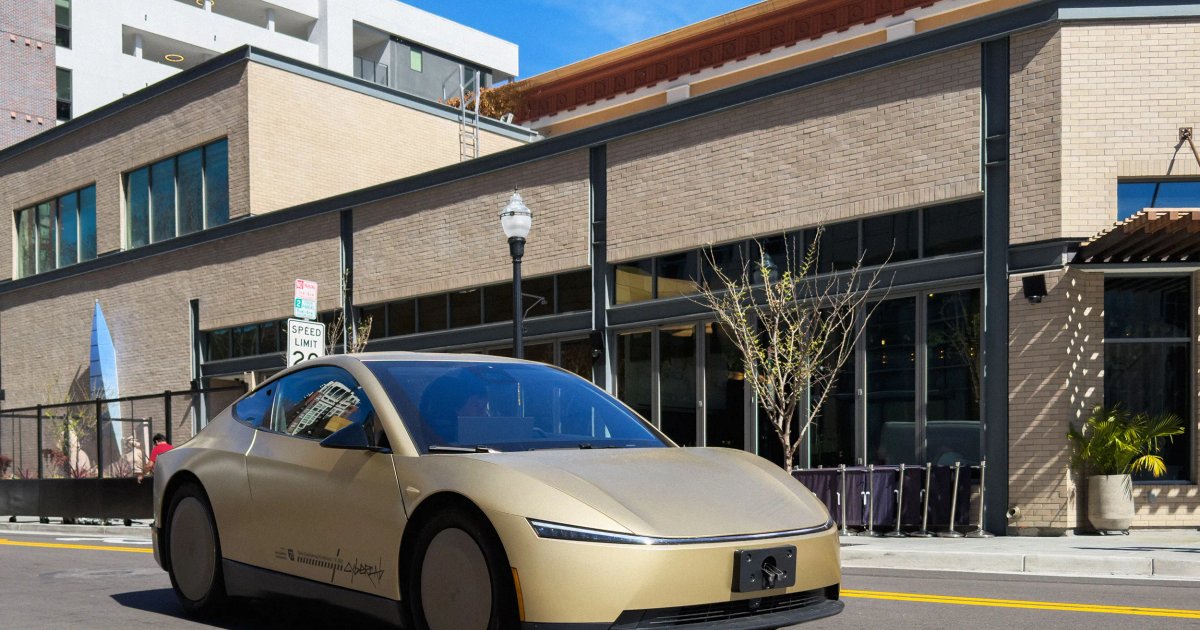
In a move that has sparked widespread debate, Tesla revealed that some of its self-driving cars may be remotely operated by human operators in rare instances, particularly when the vehicle encounters difficulties or emergencies. This announcement was made in response to inquiries from U.S. Senator Ed Markey from Massachusetts, who is investigating self-driving car technologies.
Tesla clarified that these operations occur at low speeds, allowing human operators to take control of the vehicle at speeds of up to 10 miles per hour, as a precaution after exhausting all other options. This revelation highlights a human aspect in the operation of self-driving cars, raising questions about the safety and reliability of this technology.
Event Details
In a series of letters directed to Senator Markey, seven companies involved in self-driving technology, including Tesla, Amazon, and Uber, provided new details regarding remote assistance programs. All companies that responded to Markey's office confirmed that they utilize human operators to intervene in situations where vehicles face difficulties, which is considered an important part of safety considerations.
However, Markey criticized the companies for not providing accurate information regarding how often their vehicles require assistance from remote operators, pointing out that this obscures vital information from the public about the level of autonomy of these vehicles.
Background & Context
Tesla, which has transitioned from manufacturing traditional vehicles to developing self-driving technology, launched a small ride-hailing service in Austin, Texas, last June. In most vehicles classified as self-driving, human operators sit in the front seats, ready to intervene if something goes wrong. However, there are a few vehicles that operate without human operators.
Tesla is not alone in this field, as other companies like Waymo and Nuro adopt a different approach, stating that their operators do not directly drive the cars but only provide advice and support. This difference in approach raises questions about how companies are addressing the challenges associated with self-driving technology.
Impact & Consequences
This information is critically important, as the use of humans in operating self-driving cars could increase potential risks on the roads. Experts warn that even a delay of a few hundred milliseconds in reactions can lead to accidents, making reliance on humans in these operations a sensitive issue.
There are also concerns that reliance on human operators may affect the ability of self-driving cars to operate safely without human intervention. This raises questions about the advancement of the technology and its readiness for full autonomy.
Regional Significance
In light of rapid developments in self-driving technology, Arab countries must keep pace with these innovations to ensure the safety of their citizens. There may be opportunities to develop similar technologies in the region, but this must be done with consideration of the legal and ethical dimensions related to public safety.
In conclusion, this news highlights the importance of transparency in the development of self-driving technology and emphasizes the need for a regulatory framework that ensures the safety of these innovations before they are widely adopted.