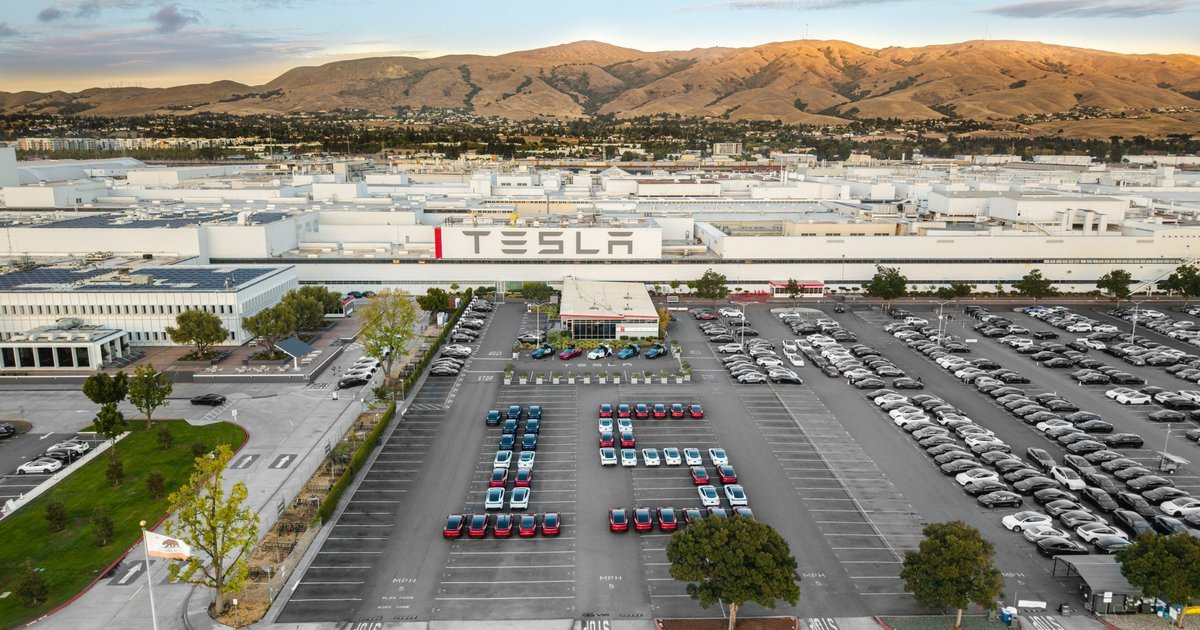
Tesla, the American electric vehicle manufacturer, has reported a 6% increase in its sales during the first quarter of this year, having produced an additional 50,000 vehicles that it was unable to sell. This situation raises concerns regarding the company's strategies in managing production and distribution in light of the increasing competition in the electric vehicle market.
Between January and March, Tesla was able to ramp up its production; however, this excess production may indicate a problem with marketing new vehicles. As Tesla aims to expand its reach and increase its market share, there appears to be an urgent need to reassess its marketing and sales strategies.
Event Details
Tesla, considered one of the leading companies in the electric vehicle industry, is facing unprecedented challenges due to rising competition from other companies such as Ford and General Motors, which have begun introducing new electric models. Despite the increase in sales, producing vehicles beyond demand could lead to inventory buildup, negatively impacting profits.
In this context, analysts have indicated that Tesla needs to enhance its marketing strategies and increase brand awareness in new markets. Improving customer experience may also be one of the possible solutions to address these challenges.
Background & Context
Founded in 2003, Tesla has become a symbol of innovation in the electric vehicle industry. With the growing global interest in sustainability and clean energy, Tesla has witnessed significant growth in demand for its vehicles. However, rapid expansion may lead to challenges in managing production and distribution.
In recent years, Tesla has faced several production-related issues, including delays in vehicle deliveries and shortages of components. These problems could affect the company's reputation and lead to the loss of potential customers to competitors.
Impact & Consequences
The issue of excess production serves as a wake-up call for Tesla, as it may lead to reduced profits and increased pressure on management. If this problem persists, the company may have to offer discounts or price reductions to attract buyers, which could affect profit margins.
Moreover, the challenges faced by Tesla could impact the market as a whole, potentially leading to fluctuations in stock prices and increased competition among other companies. Any decline in Tesla's performance could negatively affect investor confidence in the electric vehicle sector as a whole.
Regional Significance
Many Arab countries, such as the UAE and Saudi Arabia, are striving to enhance the use of electric vehicles as part of their sustainable energy strategies. If Tesla continues to face production challenges, it may affect these countries' plans to import electric vehicles and expand their markets.
Under these circumstances, there may be opportunities for local or regional companies to capitalize on this situation by offering competitive alternatives. Additionally, fostering cooperation among Arab companies and facilitating investments in the electric vehicle sector could contribute to achieving sustainability goals.
In conclusion, Tesla faces significant challenges due to increased production, necessitating a reassessment of its strategies to ensure continued success in the electric vehicle market. At the same time, these challenges could present an opportunity for Arab countries to bolster their local industries in this sector.