Thai Airways International has introduced a new regulation that limits the number of portable power banks each passenger can carry, allowing only two per traveler, with a ban on using or charging them during the flight. This decision is part of the airline's commitment to safety regulations set by the International Civil Aviation Organization (ICAO).
In a social media post, Thai Airways confirmed that this regulation took effect on March 27, aiming to enhance flight safety. This announcement followed improvements agreed upon on that day, where the number of carry-on batteries per passenger was specified.
Details of the Regulation
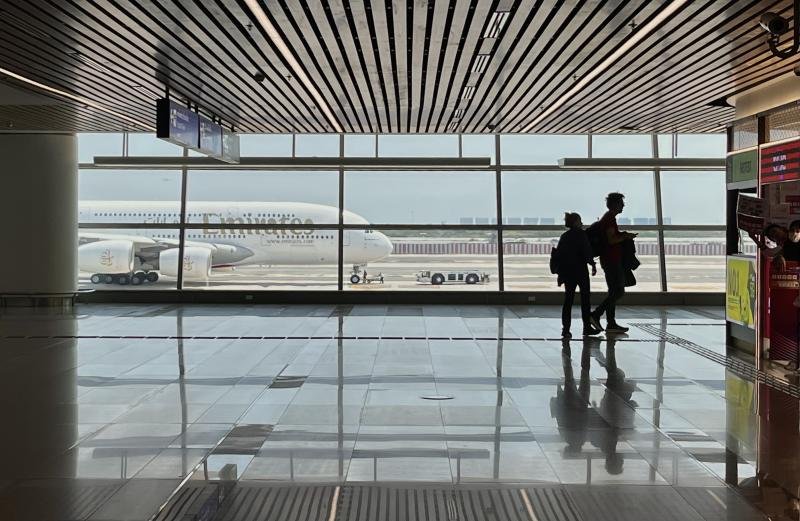
This decision has caused confusion among travelers at Hong Kong International Airport, where many expressed dissatisfaction over the lack of adequate signage explaining this change. Passengers noted that they were unaware of these new regulations, leading to some confusion during the boarding process.
It is worth mentioning that this regulation does not apply to the flight crew, who are permitted to carry and use power banks. This measure is part of global efforts to ensure aviation safety, especially with the increasing use of portable electronic devices.
Background & Context
Portable power banks are common devices among travelers, used to charge smartphones and tablets during flights. As reliance on these devices has grown, the associated risks have become more apparent, prompting regulatory bodies to take stringent actions to ensure flight safety.
The International Civil Aviation Organization (ICAO) is working to establish global aviation safety standards and has issued new guidelines regarding the use of portable power banks. These guidelines aim to mitigate potential risks posed by these devices, such as fires or explosions.
Impact & Consequences
This decision may affect the travel experience for many passengers, particularly those who rely on power banks to charge their devices during long flights. This could lead to increased anxiety among travelers regarding how to manage charging their devices during the journey.
Furthermore, this regulation may lead to changes in passenger behavior, as some may need to plan better before traveling, such as fully charging their devices before the flight or seeking alternative charging options.
Regional Significance
In the Arab region, where air travel is on the rise, local airlines may need to consider these guidelines. It is important for awareness campaigns to be conducted for travelers regarding these new laws to ensure that confusion does not occur during travel.
This step could also enhance aviation safety efforts in the region, contributing to increased traveler confidence in Arab airlines.
In conclusion, regulating the use of portable power banks on airplanes is a significant step towards enhancing flight safety. As reliance on technology increases, it is crucial for airlines to adapt to these changes to ensure a safe and comfortable travel experience for passengers.