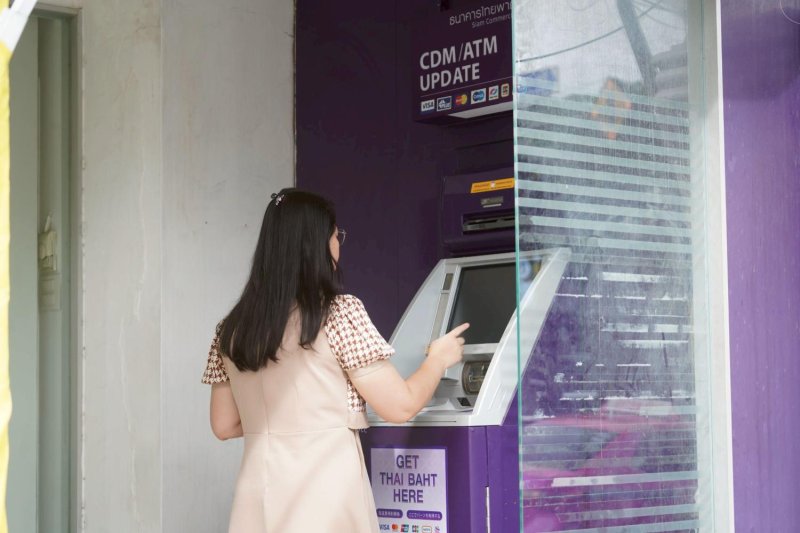
Thai banks are gearing up to face new challenges after the central bank's decision to standardize banking fees, which may lead to a potential decline in fee revenues. While the six major banks in the country achieved a growth of 12.6% in fee and service revenues in the first quarter of the year, forecasts indicate possible negative impacts due to this regulation.
Reports indicate that the six largest banks in Thailand, including Krungsri Bank and TMB Thanachart Bank, generated total fee revenues of 62 billion Thai Baht in the first quarter of 2026, with Krungsri Bank recording the highest growth rate of 20.6%, followed by TMB Thanachart Bank at 18.8%. Meanwhile, Bangkok Bank saw a decline of 4.3% in fee revenues.
Details of the Event
Despite the strong growth, banks are facing new challenges as a result of the fee standardization. Katya Indaravijaya, CEO of K Bank, stated that the bank expects to manage fee revenues appropriately in accordance with the fee standardization policy set by the central bank. She confirmed that the standardization will reduce margins, but the impact will be manageable.
She also added that the bank will continue to reduce operating costs and expand digital banking services. Wealth management services, such as savings, investments, and insurance, are expected to remain key contributors to fee revenues.
Background & Context
The financial authorities in Thailand are working to standardize banking fees across the banking sector, with the first phase of the new framework expected to include 10-15 fee items, particularly for commercial transactions such as interprovincial transfers and card-related fees. This initiative aims to address inconsistent pricing that may be unfair, considering the reduced operating costs resulting from digital transformation.
The central bank is currently conducting public hearings, and the revised fee structure is expected to come into effect next month. At the same time, TMB Thanachart Bank recorded widespread improvement in strategic fees in the first quarter, supporting growth in net fee and service revenues.
Impact & Consequences
As banks strive to adapt to these changes, they face challenges in loan demand, which affects commercial fees. Additionally, fees related to securities have emerged as a new source of revenue following TMB Thanachart Bank's acquisition of TTB Securities in the third quarter of last year.
Looking ahead, the bank plans to accelerate its fee-based business by leveraging digital capabilities and integrating initiatives across four key sectors: automotive, housing, wealth, and payroll clients. This strategy is expected to enhance services and customer experience, supporting sustainable fee revenue growth.
Regional Significance
Thailand's experience in standardizing banking fees serves as a model that Arab countries facing similar challenges in the banking sector can benefit from. Such initiatives can contribute to improved transparency and reduced costs for consumers, thereby enhancing trust in the banking system.
In conclusion, the Thai central bank's decision represents an important step towards improving the banking environment, despite the challenges that banks may face in the near future.